
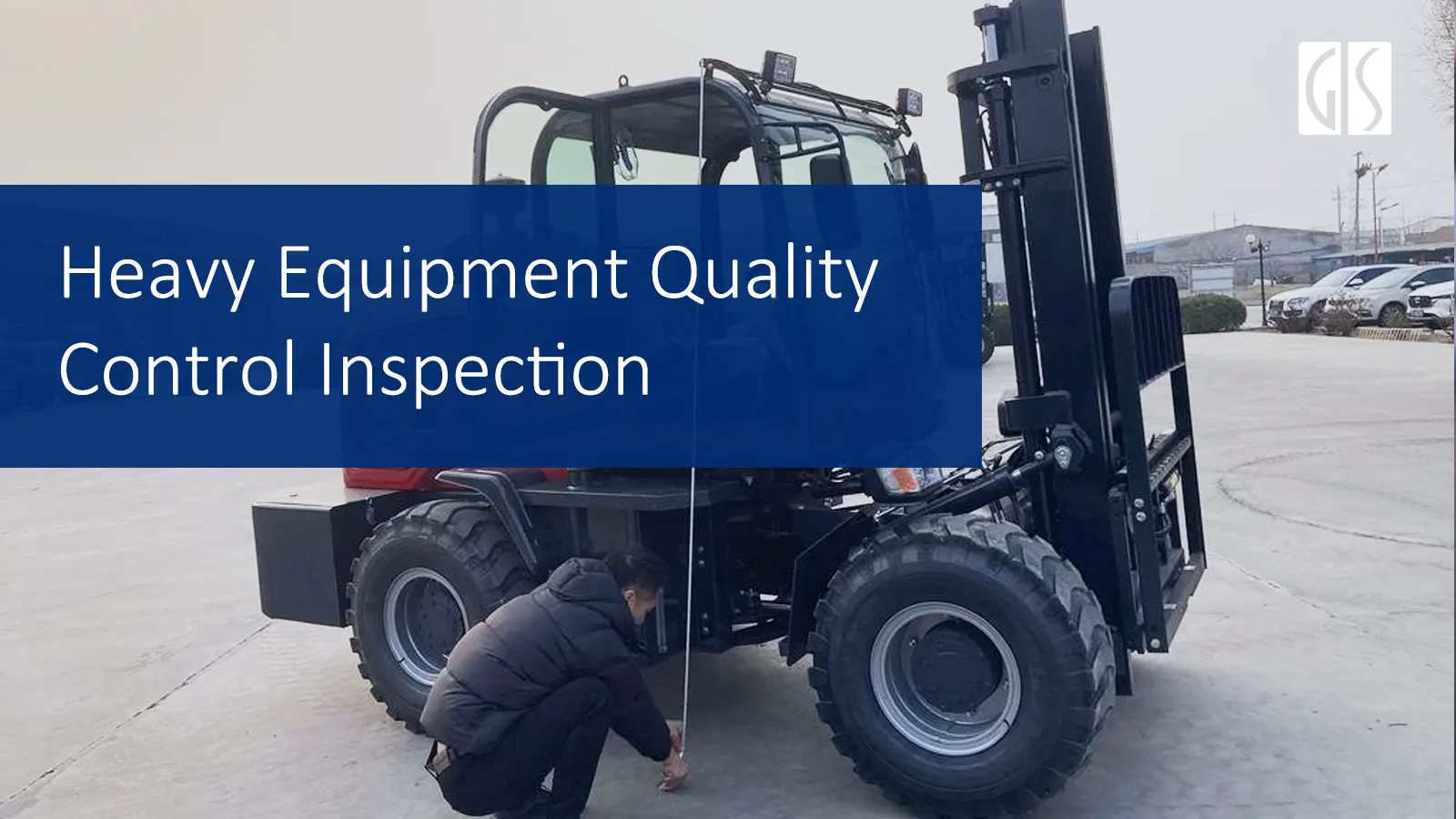
Heavy equipment refers to large, powerful industrial machinery designed for construction, mining, manufacturing, and industrial tasks. The performance and safety of heavy machinery such as excavators, tower cranes, forklifts, and dump trucks are critical to construction operations, directly impacting project efficiency, workplace safety, and regulatory compliance.
Security, reliability, and functionality are essential factors to consider when it comes to heavy equipment quality control Inspection. While procuring industrial machinery from overseas, third-party inspections provide an unbiased "second set of eyes," ensuring that the manufacturer's quality claims align with the actual physical output.
This article will explore what is heavy quality inspection, regulation and standard of heavy equipment inspection, and heavy equipment inspection checklist.
Content
What is Heavy Equipment Quality Inspection?
Heavy equipment quality control (QC) inspection is the process of testing and verifying that industrial machinery, such as excavators, cranes, and specialized construction vehicles, adheres to specified standards of performance, safety, and reliability before shipment.
It involves checking structural components, hydraulic systems, electrical systems, safety devices, and operational performance to prevent mechanical failures, safety incidents, and costly downtime in construction projects.
With thorough industrial machinery inspection in china, the QC system helps identify technical issues in real time, mitigate site risks, and plan further for adjustments. All the steps involved in heavy equipment inspection ensure a seamless delivery of the final product to the clients.
Why Heavy Equipment Quality Inspection is Important?
Heavy machinery operates in demanding environments and often represents a significant investment for contractors and buyers. Proper inspection helps:
Safety: Quality inspection before shipment ensuring safety by identifying mechanical or structural defects.
Efficiency: Prevent costly downtime caused by equipment failure.
Compliance: Adhering to inspection routines ensures compliance with safety regulations and standards and buyer specifications.
Heavy Equipment Quality Inspection Regulations and Standards
Heavy equipment quality inspections must comply with stringent national, international, and manufacturer laws and directives to ensure safety, reliability, and compliance before being used or delivered to customers.
Below is a list of the international and regional regulations governing heavy equipment quality and safety inspections.
- ISO 12100 – Safety of Machinery
- ISO 13849 – Safety of Machinery Control Systems
- ISO 20500 Series
- Part 1: General safety requirements (visibility, braking, steering).
- Part 3-7: Specific requirements for milling machines, pavers, and compaction equipment.
- ISO 9927 – Crane Inspections
- CE Marking (Machinery Directive 2006/42/EC)
- OSHA (Occupational Safety and Health Administration)
- ANSI standards
- Instructional manual, labelling and artwork checks
- Global market access (worldwide certification services)
Heavy Equipment Quality Inspection Checklist
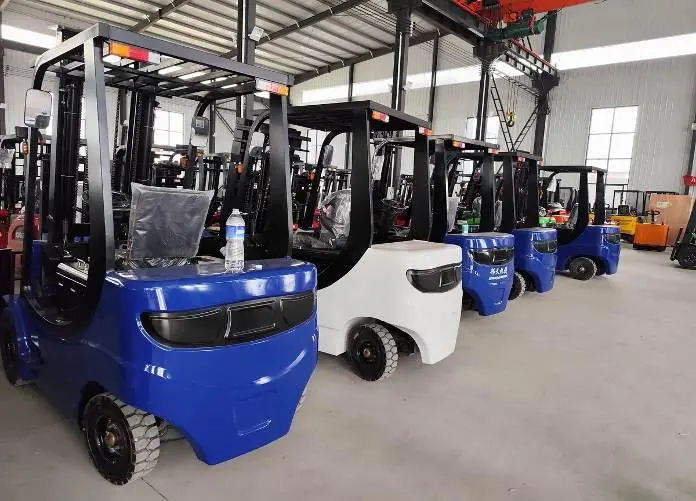
A structured Heavy Equipment Quality Inspection Checklist helps ensure that all critical components are properly inspected and potential issues are identified early.
General Information Verification
The first and most critical stage of a heavy equipment inspection is to check the general information which can ensure that the machine physically present matches the documentation provided by the seller or manufacturer.
General information include:
- Equipment model and brand
- Serial number / VIN number
- Manufacturing year
- Engine number
- Equipment operating hours
- Nameplate information and identification labels
- Compliance with buyer specifications
Visual Inspection
A QC expert inspector checks visually for signs of defects or machinery tear and wear. This method is one of the first steps for machinery quality control and helps to detect faulty components. Inspectors also look for signs such as cracks, corrosion, misalignments, and leaks.
Dimension Check
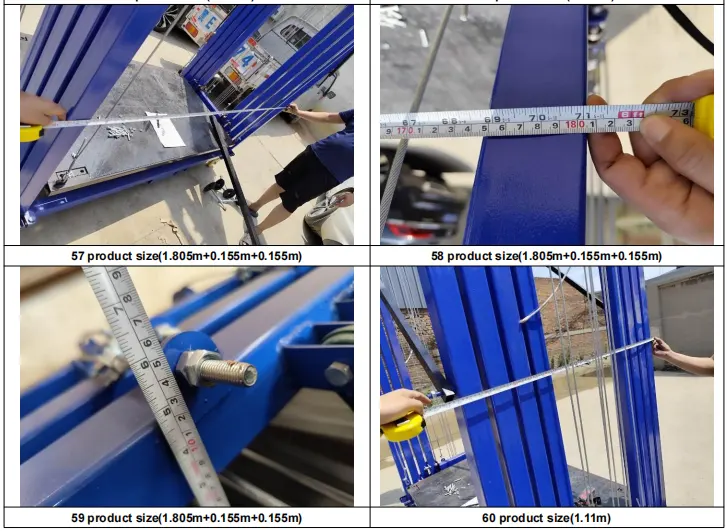
Understanding the dimensions of heavy equipment is vital for risk-free and productive operations. The key metrics for dimension include height, width, length, weight, volume capacitors, and other structural dimensions. These dimensions aid in deciding if designated parts fit properly and can accommodate the required load, helping prevent overloading the heavy equipment.
Functional Testing
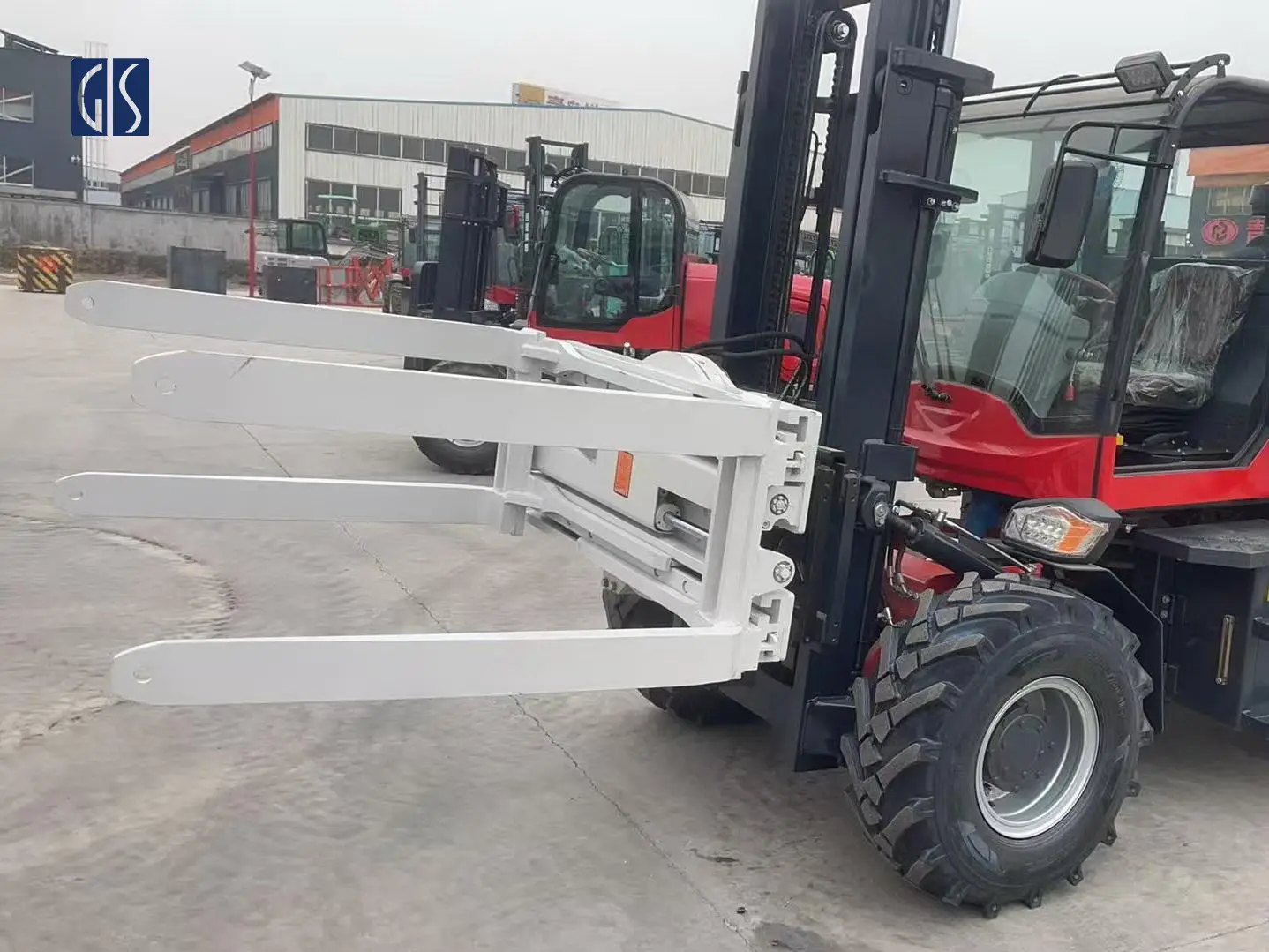
This approach checks for the equipment's performance level and ensures that every part of the heavy equipment system works effectively. It evaluates the operational performance of equipment under normal and simulated conditions to ensure all components function correctly.
Calibration and Performance Analysis
Calibration is vital for heavy equipment inspection as it checks for accurate metrics, assuring machines function under the producer's prescribed limits. Along with data analysis, reviewing fuel consumption rates and output levels is also vital to detect concealed issues in the equipment
Load Testing
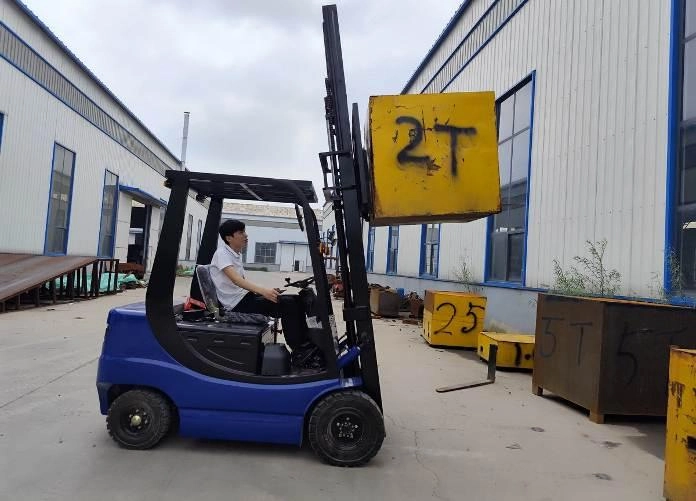
For lifting equipment, load testing verifies if the equipment is capable of reliably carrying specific weights without any risk. This is a crucial element as exceeding loading capacity can bring about severe accidents on site.
Safety Testing
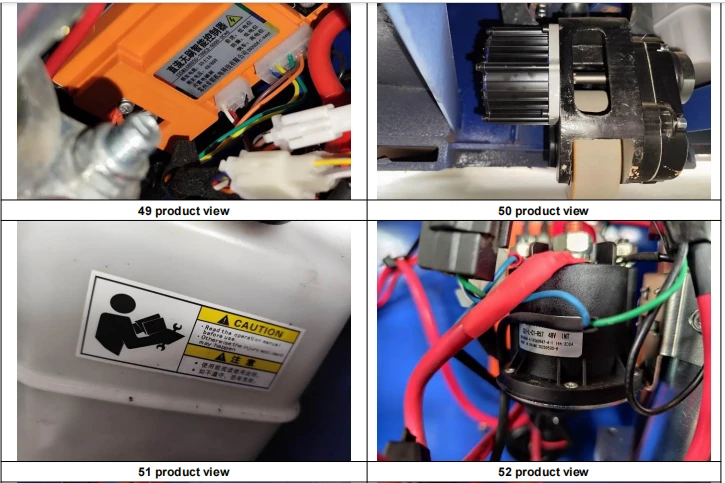
Safety testing is an accumulation of multiple key elements of heavy equipment inspection. It involves operational checks to evaluate machine performance, routine inspections to detect defects, and load testing to check equipment capacity for handling loads safely.
This element also includes checking the functionality of emergency measures such as alarms. Safety testing primarily aims to reduce safety hazards and prevent operational disruptions.
GIS Inspection Heavy Equipment Inspection Services
Heavy Equipment Inspection Services Applications and Industries
GIS Inspection is a professonal heavy equipment inspection company. GIS Inspection’s clients benefit from over two decades of experience helping companies develop high-quality heavy equipment. Our expertise ranges including earth-moving equipment, construction equipment, road equipment, and agriculture equipment. Products like:
- Excavator
- Loader
- Bulldozer
- Grader
- Trencher
- Compactor Roller
- Crane
- Forklift Truck
- Telehandler
- Aerial Work Platform
- Asphalt Paver
- Cold Planer
- Concrete Pump Truck
- Concrete Mixer Truck
- Tractor
- Harvester
- Forwarder / Skidder
Heavy Equipment Inspection Services
Our quality control inspections for heavy equipment include:
Pre-production Inspection (PPI):
are performed prior to mass production. Product properties are measured and compared with specifications to verify quality matches.
During Production Inspections (DPI):
ensure that the processes and techniques used to manufacture heavy equipment are followed.
Pre-Shipment Inspections (PSI):
verify the conformity of heavy equipment to specifications before shipping. Inspectors evaluate workmanship, functionality, packaging, labeling, and other criteria as required.
Learn more about PSI Inspection: Pre-Shipment Inspection (PSI): Everything You Need to Know
Container Loading Supervision (CLS):
ensures that proper methods are employed during product loading, and counts are verified on-site.
Used Heavy Equipment Quality Inspection:
the professional evaluation of second-hand construction and industrial machinery to assess their actual condition, performance, safety, and remaining service life before purchase, resale, or shipment.
Note:
In the global trade of used machinery, Used Heavy Equipment Quality Inspection is the most critical step to avoiding "lemon" machines. Unlike new equipment, used units have a history of wear, repair, and potential structural fatigue that isn't always visible in photos.
A professional inspection for used equipment (like excavators, rollers, or cranes) focuses on verifying the True Condition versus the Seller's Claims.
The 3-Step "Used Gear" Inspection Process
|
Step |
Phase |
Key Action |
|
1 |
Static Inspection |
Visual check for leaks, rust, cracks, and mismatched parts. |
|
2 |
Dynamic Testing |
Operating the machine through all functions to check for "clunks," vibration, or loss of power. |
|
3 |
Performance Report |
A detailed document with photos and video of the machine working under load. |
Why General Inspection Services (GIS Inspection)?
Integrity First: Only full-time local inspectors and auditors, no part-time or freelancers, reducing bribery risks.
Stringent Technical Oversight: Meticulous technical preparation, guidance throughout the engagement, and report review by senior engineers.
Advanced Quality Analysis: Industry-leading quality dashboard, analytics, and supplier performance analysis tools and framework
Stability and Expertise: Founded in 2005, over 20 years of experience make GIS Inspection a trustworthy and dependable quality partner.
Heavy Equipment Inspection Report
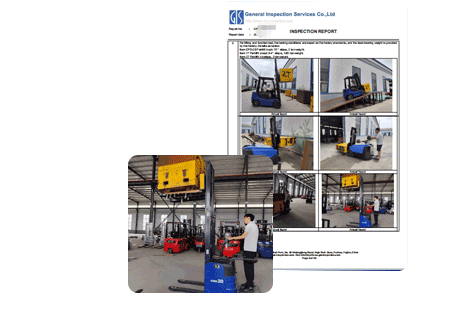
GIS Inspection
GIS Inspection (General Inspection Services), established in 2005 and headquartered in China, is an CNAS 17020, ISO 9001, and AQSIQ accredited third-party agency. We specialize in comprehensive quality control and supply chain solutions for global buyers across 20+ countries, including China, Vietnam, India, and Malaysia. By deploying a dedicated team of 100% full-time professional inspectors, GIS ensures peak integrity and technical consistency. Today, we are the trusted quality partner for over 12,000 global brands.
Email: lisaliu@gis-inspection.com