Закупаете товары в Китае? Инспекция качества продукции в Китае помогает убедиться, что товар соответствует вашим требованиям и рыночным стандартам. Пропуск этого этапа может привести к нестабильному качеству продукции, срыву сроков производства и рискам несоблюдения нормативных требований. Понимание этих нюансов поможет вам принимать более взвешенные решения при выборе поставщиков и снизит вероятность дорогостоящих ошибок для вашего бизнеса.
В этой статье мы подробно разберем все, что вам нужно знать о проверке качества продукции в Китае. А в конце вас ждет бонус — список из 20 лучших и надежных инспекционных компаний Китая.
Content
Что такое инспекция качества продукции в Китае?
Почему важна инспекция качества продукции в Китае?
Виды инспекций продукции в Китае
Процесс (алгоритм) проведения инспекции качества в Китае
Сколько стоит инспекция качества продукции в Китае?
Что такое AQL (приемлемый уровень качества) при инспекции?
Как выбрать надежную инспекционную компанию: 3 ключевых фактора
Топ-20 лучших компаний по контролю качества продукции в Китае
Что такое инспекция качества продукции в Китае?
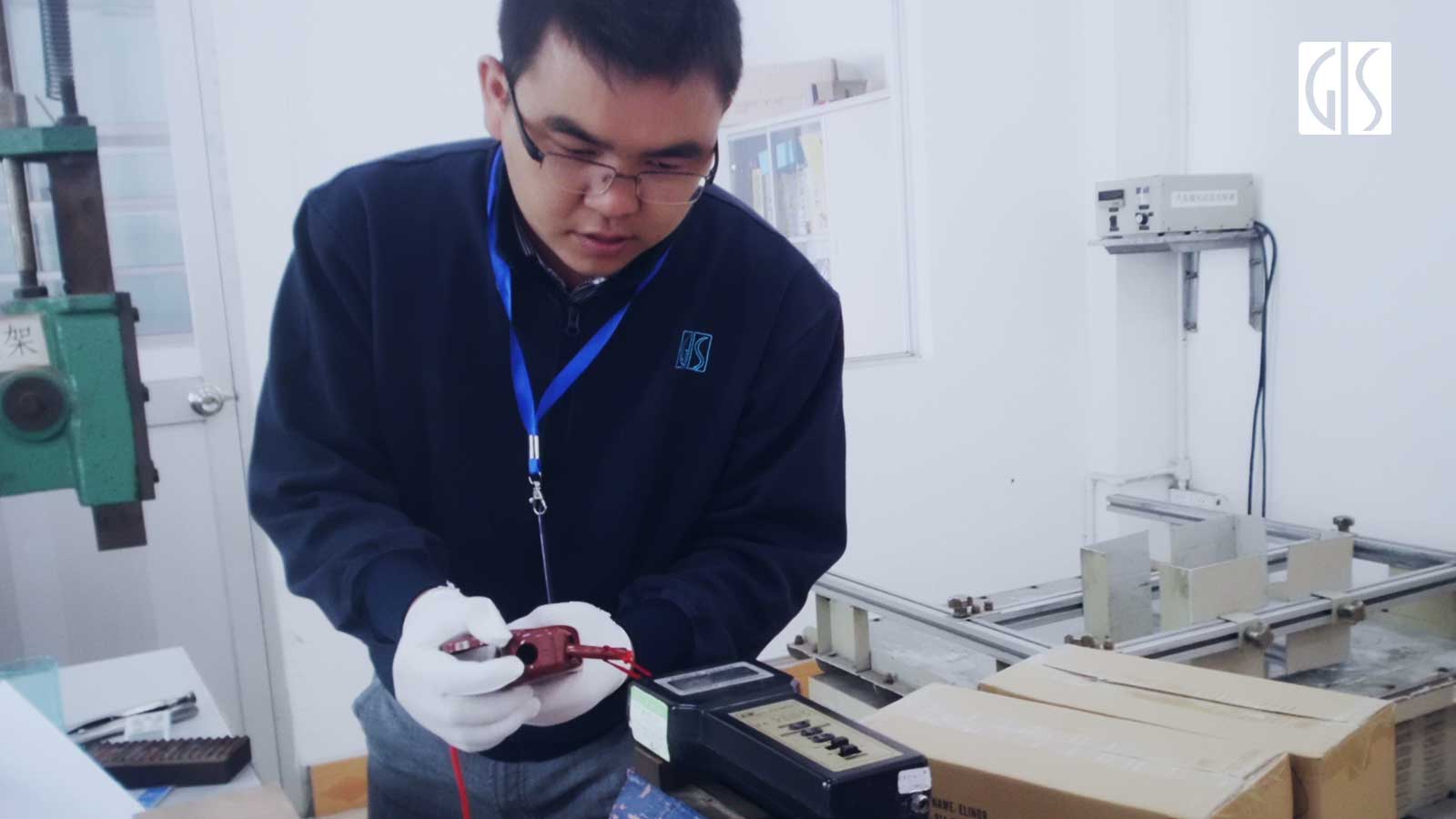
Инспекция качества продукции — это оценка товаров на соответствие установленным стандартам и контрольным спискам на этапах подготовки к производству, в процессе изготовления и перед отгрузкой.
Контроль качества продукции включает в себя:
-
Выездную проверку сырья и комплектующих;
-
Оценку безопасности, производительности, конструкции, функциональности и внешнего вида изделий;
-
Проверку соответствия таких параметров, как размер, цвет, вес, материал и дизайн;
-
Финальную проверку упаковки для предотвращения отгрузки бракованных товаров и обеспечения соответствия стандартам и законодательным нормам.
В ходе проверки фиксируются критические, значительные и незначительные дефекты в соответствии с согласованными пределами приемлемого уровня качества (Читайте: Как использовать статистический приёмный контроль для проверки качества?). Каждая процедура сопровождается точными измерениями, на основе которых формируется детальный отчет с фотографиями и результатами испытаний.
Почему важен контроль качества в Китае?
Закупки в Китае открывают большие возможности, но они сопряжены с реальными рисками, которые могут нанести вред вашему бизнесу.
Риски, с которыми вы можете столкнуться
Если вы не проверяете свою продукцию, вы можете столкнуться со следующими распространенными проблемами:
-
Нестабильное качество: Завод может использовать более дешевые материалы или изменить технологию производства, не уведомив вас об этом.
-
Задержки отгрузок: Проблемы с персоналом или оборудованием могут привести к сбоям в графике поставок.
-
Юридические проблемы: Продукция может не пройти тесты на безопасность или иметь неверную маркировку, что сделает её продажу в вашей стране незаконной.
Основные преимущества контроля качества
-
Экономия денег: Вы не платите за бракованный или «плохой» товар. Вы платите только за то, что соответствует вашим требованиям.
-
Лояльность клиентов: Стабильно высокое качество продукции ведет к уменьшению количества возвратов и улучшению отзывов.
-
Избежание задержек: Найти и исправить ошибку, пока товар еще находится на заводе, гораздо быстрее, чем пытаться решить проблему после его прибытия.
Делая инспекции регулярной частью вашего процесса закупок, вы укрепляете цепочку поставок и защищаете интересы своего бизнеса.
Какие виды инспекций продукции существуют в Китае?
Контроль качества в Китае включает в себя несколько этапов. Каждый этап направлен на устранение конкретных рисков и помогает поддерживать стандарты продукции на протяжении всего процесса производства.
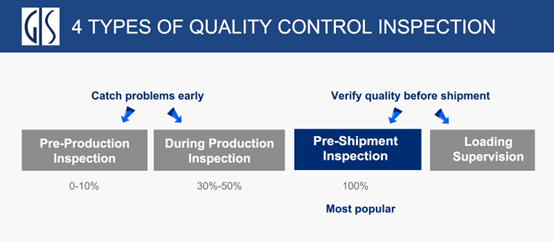
Четыре типа контроля качества:
|
Тип инспекции |
Этап проведения |
Что проверяется |
|
Первоначальная инспекция (PPI) |
Начало производственного процесса или период до старта производства. |
|
|
Инспекция в процессе производства (DUPRO) |
Когда готово 30%–50% продукции. |
|
|
Предотгрузочная инспекция (PSI) |
Когда 100% продукции произведено и минимум 80% упаковано. |
|
|
Контроль погрузки контейнера (CLS) |
Непосредственно во время процесса погрузки продукции в контейнер. |
|
Примечание:
Два десятилетия опыта в сфере обеспечения качества в GIS Inspection выявили четкую отраслевую тенденцию: более 80% зарубежных покупателей отдают приоритет предотгрузочной инспекции (PSI) как финальному этапу контроля. Этот процесс гарантирует соответствие партии всем требованиям закупки путем верификации количества, оценки качества изготовления и внешнего вида, подтверждения технических характеристик изделия, проведения функциональных тестов и испытаний на безопасность, а также проверки целостности упаковки.
Однако определенный сегмент импортеров — как правило, те, кто работает с крупными партиями товара или сложной высокотехнологичной электроникой — придерживается более строгого подхода. Они используют комплексную трехэтапную стратегию инспекций (начальную, промежуточную и финальную выборочную проверку), чтобы обеспечить максимальный контроль как над качеством продукции, так и над соблюдением общего графика производства.
Если вы все еще не уверены в выборе типа инспекции, ознакомьтесь с материалом: Полное руководство по выбору подходящей инспекции качества продукции
Процесс проведения инспекции качества в Китае
Успешная инспекция качества в Китае базируется на строгих и детальных рабочих инструкциях. Профессиональные независимые инспекционные агентства (такие как GIS Inspection) разработали комплексные рабочие процессы, где каждый этап стратегически направлен на выявление дефектов, минимизацию рисков качества и устранение потенциальных уязвимостей в цепочке поставок.
Вот как эта профессиональная структура реализуется в операционной последовательности:
Стандартный рабочий процесс GIS Inspection:
|
Этап |
Виды деятельности |
|
1. Подготовка к инспекции |
|
|
2. Инспекция на объекте |
|
|
3. Отчетность и последующие действия |
|
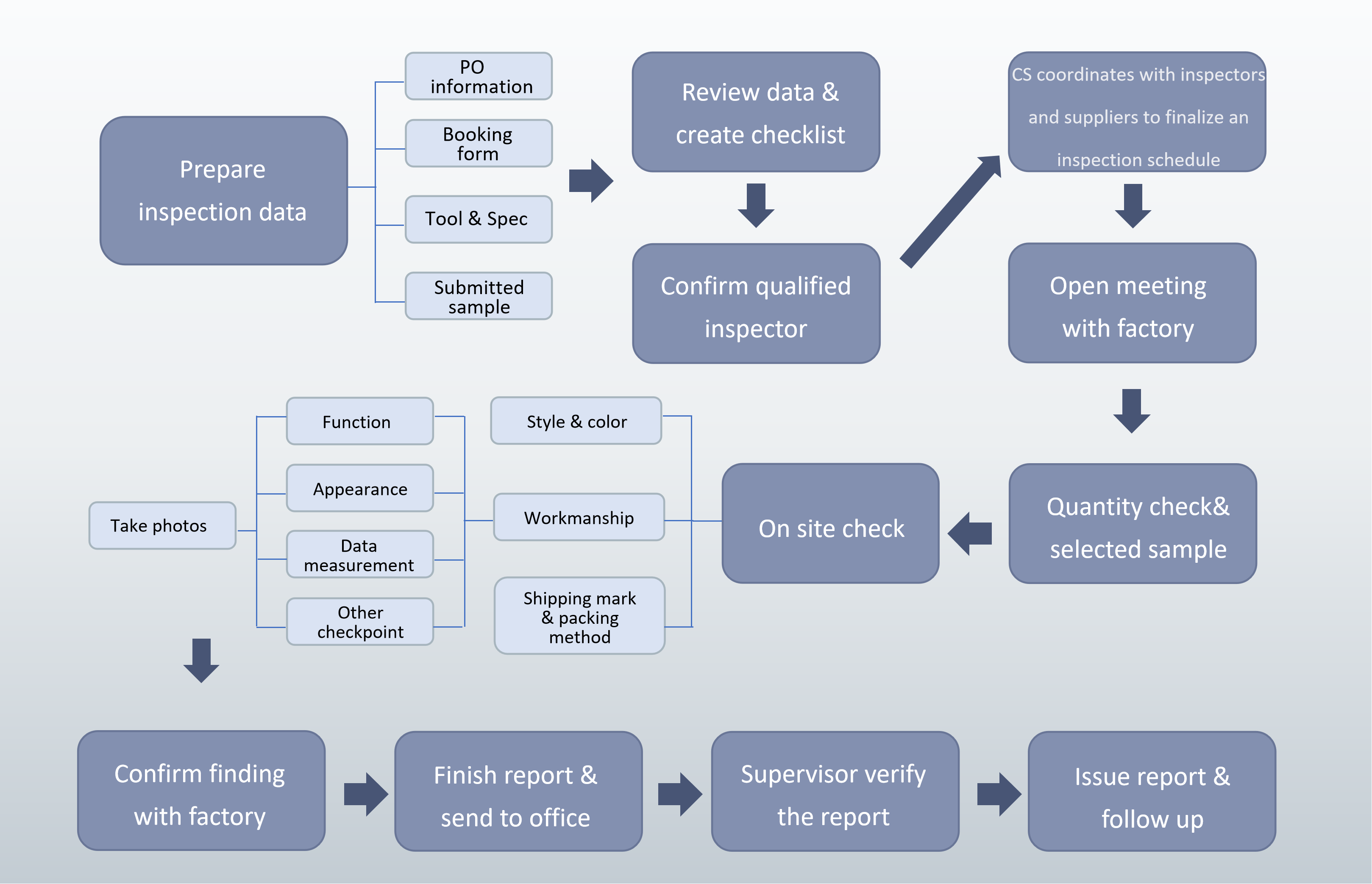 General Inspection Service Flowchart
1. Подготовка к инспекции
Подготовка является ключевым фактором, гарантирующим успех проведения инспекции качества. Чтобы ваш контроль качества был эффективным, воспользуйтесь этим профессиональным руководством по координации работы с инспекционным агентством:
Определите тип инспекции и график
Для начала определите, какой тип инспекции (PPI, DUPRO или PSI) соответствует вашим потребностям, и назначьте предварительную дату. Имейте в виду, что окончательная дата должна быть подтверждена дважды (инспекционной компанией и заводом), чтобы гарантировать, что производство достигло необходимой стадии.
Передайте спецификации и стандарты
Максимально четко сформулируйте требования к вашему продукту. Настоятельно рекомендуется:
-
Создать подробный чек-лист: Подготовьте детальный список контрольных точек, охватывающий все критические аспекты вашего продукта, такие как размеры, материалы, функции и упаковка. Этот список станет руководством для инспекторов и гарантирует их внимание к самому важному для вашего бизнеса.
-
Провести пред-инспекционный брифинг: Проинструктируйте техников или инспекторов перед их выездом на объект.
-
Выделить уникальные требования: Убедитесь, что они понимают стандарты, которые могут отличаться от «среднеотраслевых». Например, если политика вашего бренда подразумевает «полное отсутствие торчащих ниток» для футболок, это должно быть четко оговорено.
Запросите обновления в режиме реального времени
Для лучшего контроля над процессом вы можете договориться с инспекционной группой о мгновенной отправке фото и видео любых дефектов, обнаруженных в ходе работы. Такой «взгляд в реальном времени» на заводской цех позволит вам оценить общее качество немедленно, не дожидаясь финального письменного отчета.
2. Инспекция на объекте
Инспекция на месте — это ядро всего процесса. Инспекторы посещают завод и шаг за шагом следуют вашему чек-листу. Они отбирают случайные образцы из производственной партии, чтобы обеспечить непредвзятость результатов. Выборка производится в соответствии с международными стандартами, такими как AQL (приемлемый уровень качества), для обеспечения справедливой оценки.
Инспекторы проверяют продукцию на наличие визуальных дефектов, измеряют ключевые параметры и тестируют функции. Проверяется упаковка, маркировка и любые особые требования, установленные вами. При обнаружении дефектов они классифицируются как незначительные, значительные или критические. Эта классификация поможет вам решить, соответствует ли партия вашим стандартам или требует доработки.
3. Отчетность и последующие действия
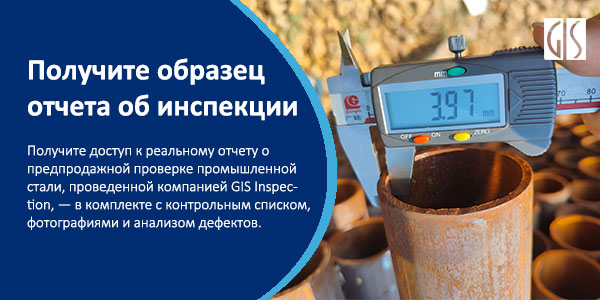
По завершении оценки на месте вам предоставляется подробный Отчет об инспекции качества. В нем суммируются результаты, выделяются все дефекты и даются четкие рекомендации.
Вы увидите фотографии, замеры и результаты испытаний по каждой контрольной точке вашего чек-листа. На основании заранее определенных стандартов AQL отчет содержит окончательный результат: «Подтверждено» (Confirm), «Не подтверждено» (Not Confirm) или «Ожидание решения» (Pending).
Такая прозрачность дает вам возможность определять дальнейшие шаги: если положительный результат позволяет уверенно разрешить отгрузку, то выявление критических несоответствий дает вам право требовать доработки или пересматривать условия с поставщиком. В конечном счете, оперативная и точная отчетность является основой грамотного управления рисками.
Типовой отчет об инспекции включает:
| Раздел |
Предоставляемые данные |
|
Обзор продукта |
Описание, количество и спецификации |
|
Детали выборки |
Количество проверенных единиц, метод отбора образцов |
|
Сводка дефектов |
Список и классификация обнаруженных дефектов |
|
Результаты тестов |
Замеры, проверка функций и тесты на безопасность |
|
Фотографии |
Визуальные доказательства находок |
|
Рекомендации |
Статус (Принято/Не принято) и предлагаемые действия |
Сколько стоит инспекция качества продукции в Китае?
Как правило, стоимость проведения инспекции качества в Китае варьируется в пределах от 120 до 300 долларов за один человеко-день. В среднем, эта сумма покрывает от 8 до 12 часов работы инспектора.
Большинство независимых экспертных компаний, включая GIS Inspection, выставляют счета за свои услуги на основе так называемых «человеко-дней» (man-days). Человеко-день — это единица измерения времени, показывающая, сколько времени требуется одному инспектору для выполнения задачи.
Количество часов, включенных в один человеко-день, может различаться в зависимости от поставщика услуг.
Из чего складывается бюджет на инспекцию:
-
Проезд до завода или места проведения инспекции (часто занимает час и более);
-
Подготовка зоны осмотра (время зависит от готовности самого предприятия);
-
Отбор случайных образцов продукции (при использовании метода статистического приемочного контроля);
-
Написание отчета об инспекции непосредственно на объекте;
-
Передача отчета техническим специалистам в головной офис для проверки и утверждения;
-
Возвращение с завода или места проведения инспекции.
Все эти действия требуют времени и включены в стандартный человеко-день. Помимо затрат на оплату труда, могут также взиматься транспортные расходы, если завод находится далеко от ближайшего филиала инспекционной компании.
Что такое AQL в инспекции качества продукции?
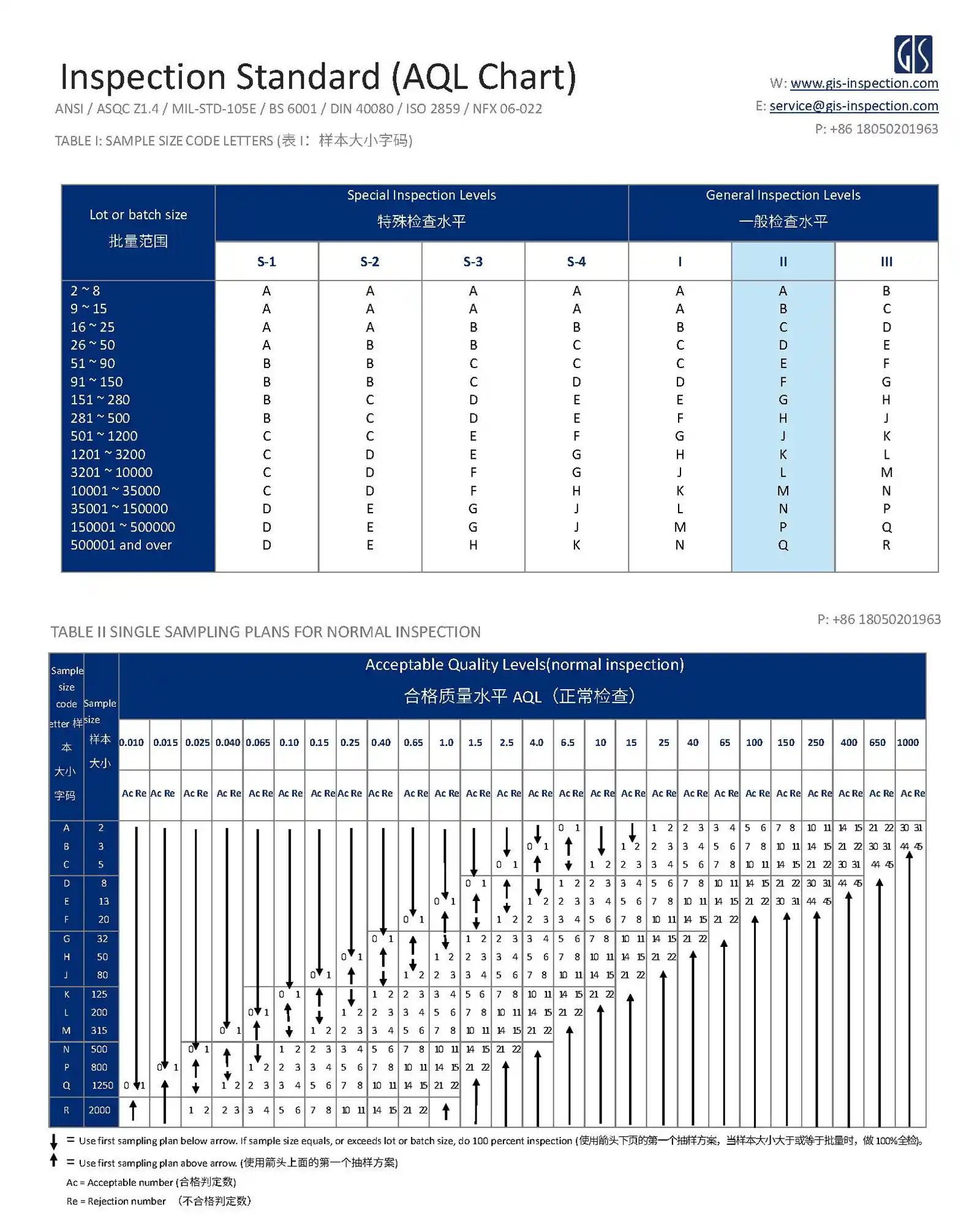
AQL (Acceptable Quality Limit — приемлемый уровень качества) — это международный стандарт, используемый для определения качества продукции путем проверки выборки из каждой партии. Он устанавливает максимальное количество дефектных единиц, которое допускается до того, как вся партия будет отклонена.
Инспекционные агенты используют таблицы AQL как стандартный инструмент контроля качества для оценки общего состояния производственной партии. Эти таблицы обеспечивают системный подход к отбору образцов и оценке дефектов, позволяя инспекторам определить, соответствует ли партия заранее установленным стандартам качества, заданным клиентом или отраслевыми нормами.
Как работает приемлемый уровень качества (AQL)?
знайте, как пользоваться таблицей AQL: https://www.gis-inspection.com/post/how-to-read-the-aql-table
Приемлемый уровень качества (AQL) — это статистический инструмент контроля качества, используемый для определения максимально допустимого количества дефектов в партии товара при инспекции. Этот метод позволяет оценивать качество всей партии на основе проверки выборки, избавляя от необходимости проверять каждую единицу товара.
Как работает система AQL:
1. Выбор уровня инспекции
Выберите уровень проверки в зависимости от значимости продукта:
-
Общие уровни инспекции (I, II, III): Уровень II является наиболее распространенным для стандартных проверок.
-
Специальные уровни инспекции (S1–S4): Используются для небольших партий или специфических испытаний (например, проверка цвета или тест на долговечность).
2. Определение объема выборки
Используя таблицу выборки AQL, соотнесите объем всей партии с выбранным уровнем инспекции, чтобы найти буквенный код. Затем в таблице найдите соответствующий этому коду объем выборки. Эта выборка будет представлять всю партию.
3. Проведение инспекции
Случайным образом отберите единицы товара из партии. Проверьте каждый образец на наличие дефектов, классифицируя их как критические, значительные или незначительные в соответствии с заранее определенными критериями.
4. Сравнение количества дефектов с лимитами AQL
Обратитесь к таблице AQL, чтобы найти значения «Приемка» (Ac) и «Отклонение» (Re) для каждой категории дефектов. Если количество найденных дефектов меньше или равно Ac, партия проходит инспекцию. Если количество дефектов превышает Ac, партия считается не прошедшей проверку и может потребовать корректирующих действий, переделки или отбраковки.
5. Принятие решения
-
Подтверждено (Confirm): Партия считается приемлемой и одобрена к отгрузке или продаже.
-
Не подтверждено (Not Confirm): Партия отклонена или помечена для дополнительной проверки, сортировки или переделки. Окончательное решение принимает покупатель, анализируя стандарты качества, фактические находки инспектора и причины выявленных несоответствий.
Как выбрать надежную инспекционную компанию: 3 ключевых фактора
1. Честность превыше всего: штатные инспекторы против фрилансеров
Всегда уточняйте, использует ли агентство штатных (Full-time) инспекторов в вашем регионе. Многие мелкие фирмы нанимают временных фрилансеров, что значительно повышает риск фальсификации отчетов, нестабильного качества проверок и коррупции. Постоянный персонал гораздо более ответственен и профессионален.
2. Экономическая эффективность: локальное присутствие и охват регионов
Убедитесь, что компания имеет представительство вблизи вашего завода. Если агентству придется отправлять персонал из другой провинции, транспортные расходы могут превысить стоимость самой инспекции. Местные инспекторы обеспечивают лучшую гибкость и экономию вашего бюджета.
3. Техническое соответствие: отраслевой опыт и примеры отчетов
Контроль качества не является универсальным. Инспектор, специализирующийся на одежде, может не разбираться в технических сложностях машин для литья под давлением. Запросите образец отчета (Sample Report) по вашей категории товаров, чтобы убедиться, что у компании есть необходимые технические знания и правильные чек-листы для вашей отрасли.
Топ-20 компаний по контролю качества и инспекции продукции в Китае
Ниже представлен список 20 ведущих инспекционных компаний Китая с указанием их расположения и основных услуг:
|
№ |
Компания |
Расположение |
Основные услуги |
|
1 |
Фуцзянь, Китай / Гонконг |
Инспекция качества, аудит заводов, проверка товаров для маркетплейсов |
|
|
2 |
SGS |
Швейцария / Шанхай, Китай |
Тестирование, инспекция, сертификация |
|
3 |
TÜV Rheinland |
Германия / Пекин, Китай |
Испытания, сертификация, аудит, обучение, инспекция и надзор |
|
4 |
TÜV SÜD |
Германия / Шанхай, Китай |
Сертификация продукции и систем менеджмента, аудит, обучение |
|
5 |
Intertek |
Великобритания / Китай |
Экспертиза, тестирование, инспекция, сертификация |
|
6 |
Eurofins |
Франция / Шанхай, Китай |
Аналитические тесты пищевой, фармацевтической и косметической продукции |
|
7 |
UL |
США / Пекин, Китай |
Сертификация, тестирование |
|
8 |
Bureau Veritas |
Франция |
Тестирование, инспекция и сертификация |
|
9 |
DEKRA |
Германия |
Технический осмотр транспорта, промышленные инспекции, сертификация |
|
10 |
Pro QC |
США / Шэньчжэнь |
Качество продукции, аудит заводов и систем менеджмента |
|
11 |
Tetra Inspection |
Шэньчжэнь, Китай |
Инспекция продукции, аудит поставщиков, сертификация |
|
12 |
Cotecna |
Швейцария / Шанхай |
Индивидуальные решения по инспекции, аудиту и тестированию |
|
13 |
Sofeast |
Гонконг, Китай |
Управление цепями поставок, проектирование, обеспечение качества |
|
14 |
AQI Service |
Гонконг, Китай |
Инспекция продукции, аудит и тестирование |
|
15 |
CCIC |
Пекин, Китай |
Инспекция, идентификация, сертификация и тестирование |
|
16 |
CTI |
Шэньчжэнь, Китай |
Тестирование, сертификация, инспекция, обучение, аудит |
|
17 |
CIS China Inspection Service |
Гонконг, Китай |
Аудит заводов и услуги по инспекции продукции |
|
18 |
AmSpec |
Гонконг, Китай |
Тестирование, инспекция, сертификация |
|
19 |
Vicc |
Пекин, Китай |
Инспекция, аудит, тестирование, сертификация |
|
20 |
AQF |
Шэньчжэнь, Китай |
Инспекция продукции, аудит заводов, лабораторные тесты |
Заключение
Если вы работаете с производством в Китае, надежная система обеспечения и контроля качества дает вам уверенность в безопасности и эффективности закупок. Понимание типов и процессов инспекции позволяет принимать более верные решения и защищать ваш бизнес от дорогостоящих ошибок.
Начните с поиска надежного независимого инспекционного агентства, создания детального чек-листа или консультации с отраслевыми экспертами. Так вы сможете защитить свою репутацию, снизить риски и обеспечить то качество продукции, которого ожидают ваши клиенты.
GIS Inspection
GIS Inspection (General Inspection Services), основанная в 2005 году и с головным офисом в Китае, является сторонним агентством с аккредитацией CNAS 17020, ISO 9001 и AQSIQ. Мы специализируемся на комплексном контроле качества и решениях для управления цепочками поставок для глобальных клиентов в более чем 20 странах, включая Китай, Вьетнам, Индию и Малайзию. Благодаря команде полностью штатных профессиональных инспекторов, GIS обеспечивает высокий уровень честности и техническую последовательность. Сегодня мы являемся надёжным партнёром по качеству для более чем 12 000 брендов по всему миру.
Email: lisaliu@gis-inspection.com