
For global buyers, the efficiency and effectiveness of supply chains are crucial to the success of businesses. A critical safeguard in this ecosystem is the Container Loading Supervision (CLS), an essential quality assurance measure that helps maintain the integrity of goods being transported internationally.
Container Loading Inspection acts as the last checkpoint in the quality assurance process verifying not only that the correct products are being shipped but also that they are packed, stacked, sealed and loaded properly. This helps avoid damage, delays, losses and costly disputes.
Content
What Is Container Loading Inspection?
Container Loading Inspection, also known as Loading Supervision (LS), is a quality control process conducted at the shipment stage. Loading inspection is usually carried out after pre-shipment inspection (PSI) but before the container leaves the factory or warehouse.
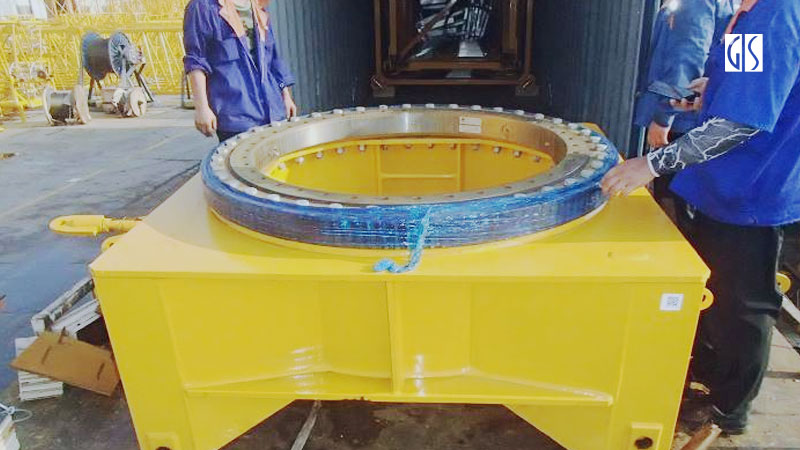 GIS Inspection inspectors supervises industrial goods loading to ensure accuracy and prevent damage during shipment.
Container Loading Check involves on-site verification of goods, packaging and the loading process to ensure that:
- The right products are being shipped
- The quantity matches the packing list
- Packaging is secure and suitable for transit
- The container is clean, dry and free from damage
- Loading follows best practices to prevent shifting or damage
- The container is properly sealed and documented
It is typically conducted by independent third-party inspection company, providing impartiality and expertise to guarantee the highest standards of accuracy and professionalism.
How Container Loading Inspection Prevents Shipping Damage and Loss?
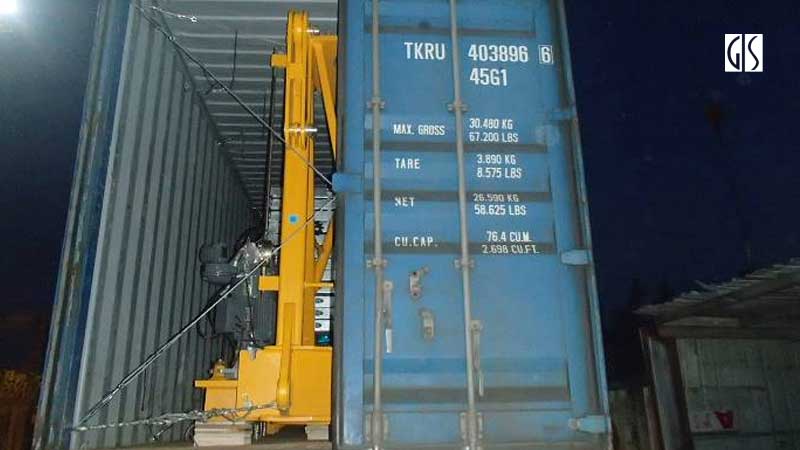
When goods travel thousands of miles across oceans and borders, what ensures they arrive undamaged and complete? It's not just quality production, it's what happens at the final step.
Container loading inspection plays a vital role in safeguarding your shipment before it even leaves the factory floor. Below are some of the tips how container loading inspection prevents shipping damage and loss:
1. Ensuring Correct Quantity and Product Identity
Have you ever received the wrong SKUs, incorrect quantity or damaged packaging? During loading, inspectors verify that the correct products, quantities, and carton markings match the packing list and shipping documents. Loading Check verifies that the exact products and quantities ordered are loaded, minimizing errors.
1. Protects Against Transit Damage
Poor loading practices such as over stacking, under-filling or using weak packaging can lead to significant product damage during transit. CLI ensures that weight is evenly distributed, fragile items are protected and space is optimized.
2. Protects Against Transit Damage
Poor loading practices such as over stacking, under-filling or using weak packaging can lead to significant product damage during transit. CLI ensures that weight is evenly distributed, fragile items are protected and space is optimized.
3. Ensures Container Condition
Inspectors check the container’s cleanliness, dryness, structural integrity, and odor before loading begins. Damaged floors, holes, rust, or moisture can lead to product contamination, water damage, or mold during transit. Rejecting an unsuitable container at this stage prevents costly losses later.
4. Ensuring Proper Sealing and Security
A properly sealed container with a documented seal number reduces the risk of tampering or pilferage. QC inspectors also check and record seal integrity.
5. Supply Chain Optimization
Container loading inspection can help businesses identify bottlenecks, optimize loading processes, and improve overall supply chain efficiency. Businesses can reduce lead times and maintain a lean, cost-effective supply chain by ensuring that the right products are shipped in the right quantities and conditions.
Detailed Protocol: What is Checked in a Container Loading Inspection (CLI)?
1. Quantity Verification
The inspector shall arrive at the cargo storage area and cross-reference the SKU/model numbers on the outer packaging with the provided client specifications to confirm that the goods being loaded are the approved products for inspection.
If any obvious damage to the goods or packaging is observed—such as water damage, compression damage, or damage caused by improper storage conditions or stacking methods—the inspector must record the details and clearly note them in the inspection report.
2. Product Inspection
a. Carton Selection and Sampling
The inspector selects cartons strictly in accordance with the Work Instruction (WI) to ensure that sampling is evenly distributed, scientifically sound, and reasonable, thereby reducing sampling risk.
- Traceability: Carton numbers are recorded for each sample. For consolidated orders, carton numbers must be recorded per individual purchase order (PO).
- Sample Size: Based on AQL (Acceptable Quality Limit) standards and Job Protocols (JP), the inspector determines the sample size by considering order volume, style distribution, and production completion status.
Note: Sampling distribution across different specifications, styles, or colors must be clearly defined. Samples are then selected from the chosen cartons, ensuring representative and balanced coverage.
b. Packaging Check
- Outer Packaging: Verify carton materials, sealing methods, and overall condition. Measure and record dimensions.
- Shipping Marks: Verify that markings (side/front) match client requirements and take photographic evidence.
- Internal Packaging: Inspect inner materials, packing methods, and condition (checking for damage, water spots, or missing accessory kits). Verify all labels, text, and graphics.
c. Assortment Check:
- Verify that the packing ratio (quantity per carton) aligns with the WI. Any discrepancies in assortment must be recorded alongside the specific carton numbers.
d. Style & Color Validation
Samples are compared against the Golden Sample or technical files to verify: color, structure, material, functionality, craftsmanship, surface patterns, and accessories.
Note:
- Reference Management: Approved samples must remain accessible to the inspector throughout the process.
- Reference Absence: If no physical sample is available, the inspector shall use technical manuals and select a "control unit" from the batch to ensure consistency across the entire lot and identify potential color deviations.
e. Hangtags, Labels, and Instructions
- Verify dimensions, placement, color, text content, and font of all labels/tags against reference materials.
- Permanent Markings: Logos or text applied via electroplating, die-casting, etching, or printing are inspected under "Style & Color" requirements.
- Detachable Markings: Hangtags, stickers, or sewn-in labels are inspected in this section. All types of markings must be photographed. Any discrepancies or abnormalities must be recorded and documented with photos. All sampled products and their associated tags and labels must be fully inspected.
f. Workmanship Inspection
Inspectors utilize technical expertise to evaluate samples for:
- Appearance: Shape, color uniformity, and surface finish.
- Material Integrity: Checking for inherent flaws or material defects.
- Construction: Quality of joints, seams, and assembly points.
- Functionality: Simulated "real-world" usage to ensure all features operate as intended.
- Sensory Checks: Evaluation of tactile feel, odor, and acoustics.
Defective products are identified with defect tags, separated from conforming samples, and defect quantities are counted and recorded at the appropriate stage. Representative defects are photographed for reporting.
Read more out product quality inspection: Product Inspection
3. Container Condition Inspection
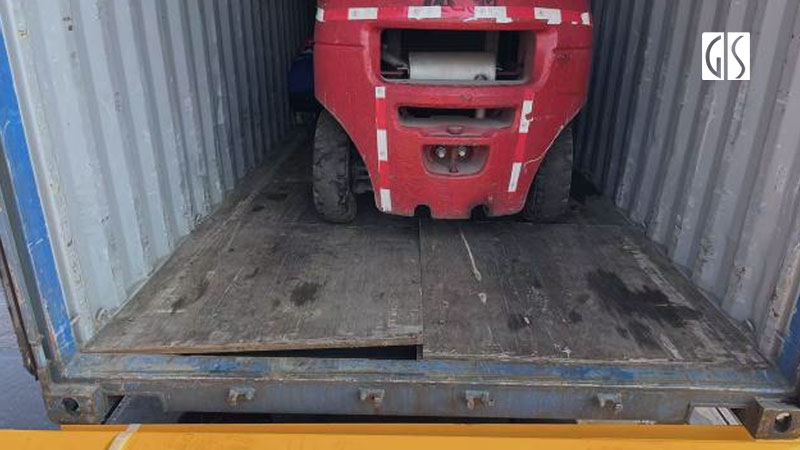
out of 6 containers were found very poor condition of floor
Once the goods are confirmed as correct, container loading may proceed. Before loading, the inspector checks the container and container truck.
- External Check: Container exterior must be free from damage, with clear and legible markings.
- Internal Check (The 7-Point Test): The inspector enters the container to check for cleanliness, moisture, odors, and debris.
- Light/Leak Test: After closing the container doors, the inspector checks for abnormal odors, proper door operation, sealing integrity, and door condition.
- Remediation: If defects are found (e.g., a damp floor), the inspector shall demand a replacement or corrective action (e.g., drying) before proceeding. License plate numbers must be recorded and photographed.
4. Supervision of the Loading Process
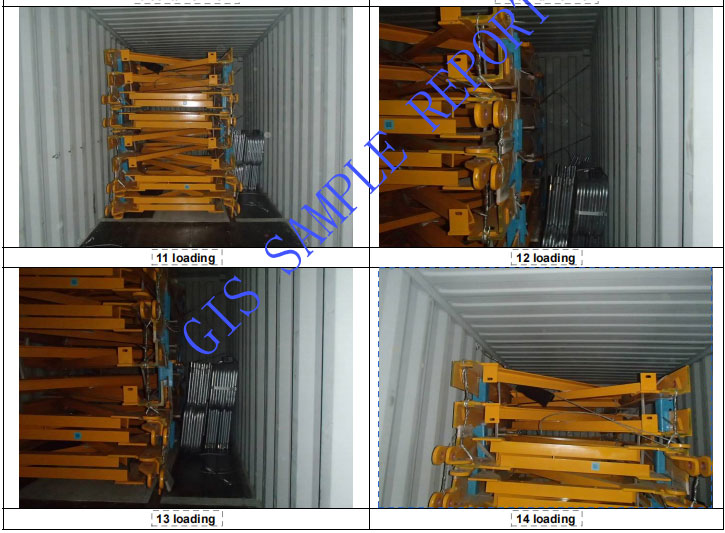
GIS Inspection-Container Loading Inspection report
Once all preparations are complete, the inspector authorizes the start of loading and remains on site throughout the entire loading process.
- Loading Sequence: Optimizing the stowage plan (e.g., loading by SKU, prioritizing heavy items at the base, and ensuring weight is balanced).
- Quantity Tally: A real-time count is maintained to ensure 100% accuracy of the shipped volume.
- Environmental Protection: Loading must not occur in open rain without specialized shelter. If the ground is damp, moisture barriers must be used.
- Handling Standards: The inspector ensures that appropriate tools and handling methods are used. Improper handling that may cause damage must be corrected immediately.
- Photographic Timeline: Evidence is captured at critical stages: empty, 1/4 full, 1/2 full, 3/4 full, and 100% capacity.
- Uninterrupted Presence: The inspector must remain on site at all times. If the inspector must leave due to special circumstances, loading must stop and already loaded goods must be secured. Loading may resume only after the inspector returns and reconfirms the status.
After loading is completed, the inspector calculates and verifies final quantities to ensure all required products are loaded.
If all goods cannot fit into a single container, the inspector records the actual loaded items and quantities per item.
When Should You Conduct Container Loading Inspection?
Your products may pass all quality inspections—but what if they are damaged during transit? Imagine a container arriving with water-damaged inventory, crushed packaging, or missing stock. To avoid these logistical nightmares, you need a proactive strategy: when should you conduct a container loading inspection?
Below are the situations where a container loading inspection matters most:
- High-Value or Fragile Inventory: When shipping sensitive electronics, glassware, or high-end furniture, the "stowage plan" is everything. An inspector ensures that heavy items are never stacked on top of fragile ones and that adequate dunnage or protective barriers are in place.
- Working with a New Supplier: Until a factory has proven their logistical reliability, you cannot leave the loading process to chance. Supervision prevents the "last-minute switch" where a factory might attempt to load substandard units or under-ship the total quantity.
- Experienced shipping issues in the past: If you have experienced issues such as damaged cartons, shortages, or cargo disputes in the past, container loading inspection is a practical preventive measure to reduce repeat incidents.
- Tight Shipping Schedules or Compliance Requirements Apply: For time-sensitive shipments or cargo subject to strict compliance requirements, a container loading inspection helps avoid costly delays, rejections, or claims caused by improper loading or documentation issues.
How to Work with a Container Loading Inspection Supplier in China
Working effectively with a container loading inspection supplier helps ensure your goods are loaded safely, accurately, and in full compliance before shipment. Below are best practices to achieve smooth coordination and reliable inspection results.
1. Find a Trusted and Experienced Inspection Partner
Container Loading Inspection is one of the 4 types of quality control services, and most third-party inspection companies in China offer this service.
When selecting a container loading inspection supplier, it is essential to evaluate the company’s background and credibility, including its operating history, industry experience, and track record in China.
You should also assess the inspector structure—specifically whether the company employs full-time, professionally trained inspectors rather than freelancers, as this directly impacts consistency and accountability.
Read to discover your trusted quality inspection company in China: List of 20 Trusted Quality Inspection Companies in China
2. Confirm Inspection Scope and Timing in Advance
Clearly define when the inspection will take place (before loading, during loading, or at completion) and what the inspection will cover. Make sure the inspection is scheduled to align with the actual loading time to avoid delays or missed supervision.
3. Provide Complete Shipment and Factory Information
Share all relevant details in advance, including:
- Factory address and contact person
- Loading date and time
- Container type and quantity
- Product details, packing list, and shipping marks
Accurate information allows the inspector to prepare properly and prevents last-minute issues.
4. Clarify Pricing, Responsibilities, and Extra Costs
Confirm who is responsible for payment and the total inspection cost before the inspection takes place. In most major cities in China, container loading inspections are offered at an all-inclusive rate.
However, there are may involve additional charges, such as:
- Travel or accommodation expenses
- Overtime or weekend fees (These are common issues during container loading. For instance, if a container fails to arrive at the designated loading site at the scheduled time, the supervision process cannot be completed within standard working hours, leading to additional labor costs.)
A Real GIS Container Loading Inspection Case: Activated Carbon Shipment (October 2025)
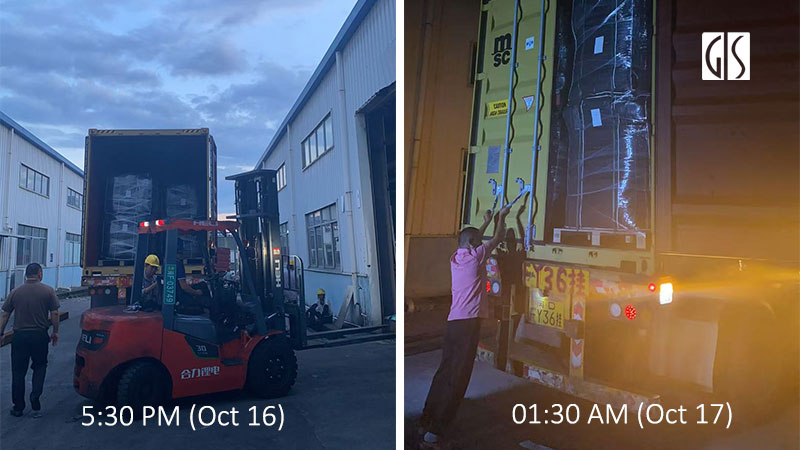
In October 2025, GIS Inspection conducted a container loading inspection for a long-term partner manufacturing activated carbon. Despite years of successful cooperation, an unexpected situation occurred during the loading process—highlighting why container loading inspection remains critical even with trusted suppliers.
5:30 PM (Oct 16), when the loading was nearing completion, the GIS inspector identified a serious issue: due to the packaging configuration, the container could not accommodate all cargo as planned. It was estimated that one pallet would not fit into the container. The loading process was immediately suspended, and the factory and buyer began discussions to find a solution.
7:30 PM (Oct 16), a second loading attempt was made after partially adjusting the packaging method. Although all pallets could now be loaded into the container, the container doors could not be closed, resulting in a second failure. Further solutions were discussed on site.
9:30 PM (Oct 16), a third loading attempt was conducted, but the issue persisted and the attempt again failed.
00:00 AM (Oct 17), all goods were fully unloaded from the container, repacked from scratch, and a fourth loading attempt was carried out. Finally, at 1:30 AM, the container was successfully loaded, the doors were closed and sealed, and the container loading inspection was completed.
GIS Inspection began charging overtime fees from 6:00 PM, and the inspection concluded at 1:00 AM (Oct 17), resulting in 7 hours of overtime.
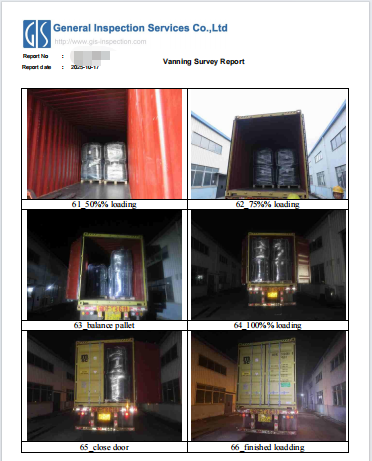
Key takeaway: Buyers should clearly agree in advance with the factory on who will bear overtime costs in situations like this. Unexpected loading issues can occur even with experienced suppliers, and clear responsibility for overtime fees helps avoid disputes and delays.
5. Communicate Key Risk Areas and Past Issues
Inform the inspection supplier of any specific risks, such as previous shipping damage, shortages, customer complaints, or special handling requirements. This helps inspectors focus on high-risk areas during loading.
6. Require On-Site Supervision and Photo Documentation
Ensure the inspector remains on site for the entire loading process and provides clear photo evidence at key stages, including:
- Container condition before loading
- Loading progress
- Final container sealing
This documentation is essential for traceability and dispute resolution.
7. Review the Inspection Report Promptly
Once the inspection report is issued, review it immediately and provide feedback if clarification is needed. Timely communication helps resolve issues quickly and improves future inspections.
GIS Container Loading Inspection Services
Container loading inspection is an essential part of global business, performed to extend quality control to the process of loading and shipping goods, giving security to importers for the important final step of an order.
General Inspection Services (GIS Inspection) is the best container loading inspection supplier in China. We offer extensive loading inspection services to give clients peace of mind before their shipment arrives.
Our inspectors go directly to the site to verify the quality of goods and their designated container while ensuring that the quantity, labels, packaging and more are consistent with your set requirements.
We can also send photo and video evidence to demonstrate that the entire process was completed to your satisfaction upon request. In this way, we ensure your goods be correct and reach their destination safely.
Contact us for more information, or book an inspection online: Login or Create Your Account