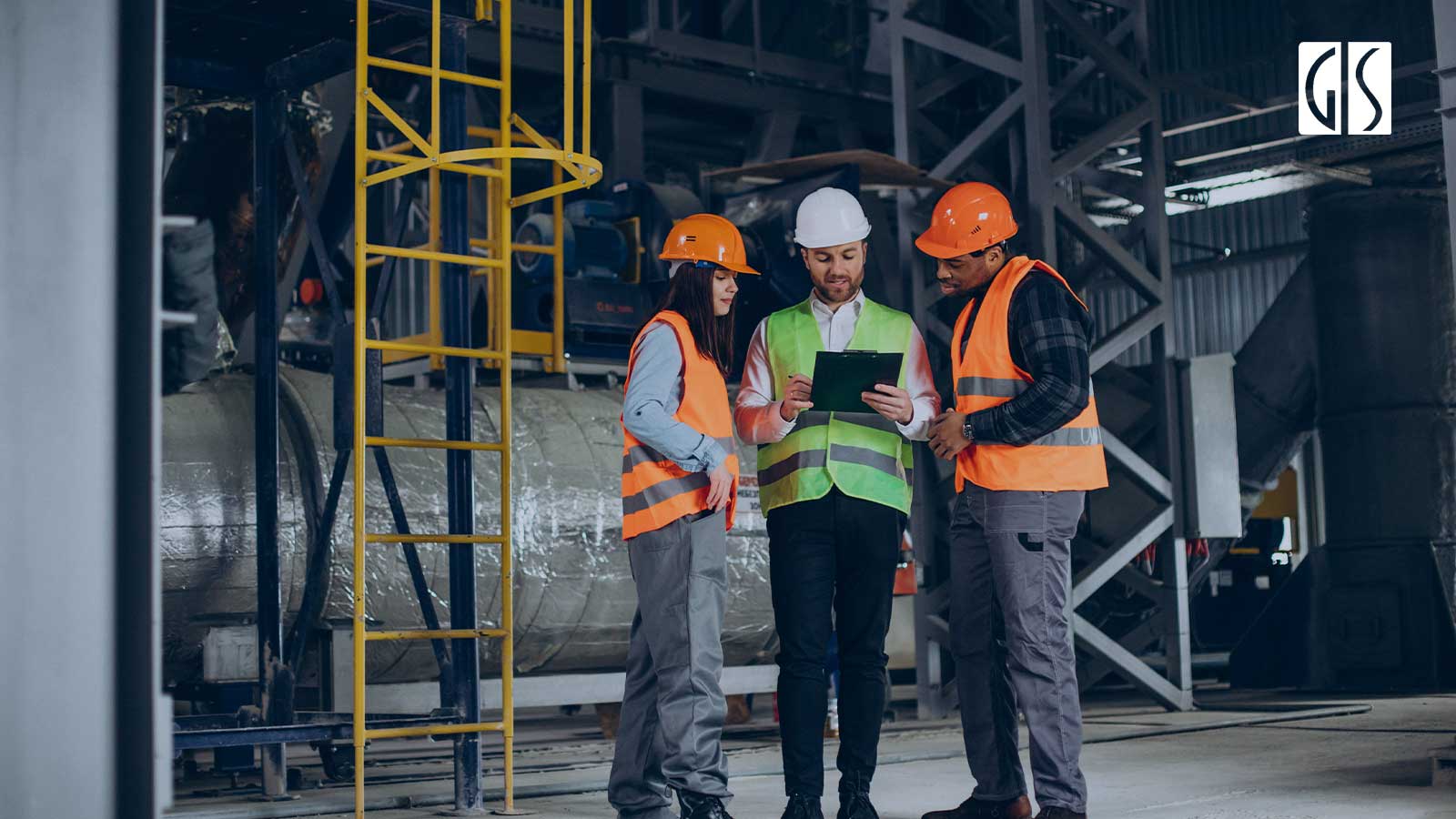
Factory inspection plays a vital role in ensuring that the products meet your quality requirement and market regulations.
By employing a professional third-party factory inspection agency, you can mitigate the risks of sourcing from unverified suppliers, ensuring that their production capacity, quality control systems, and ethical standards align with your brand's expectations before you commit to a purchase order.
In this article, we will discuss everything you need to know about factory quality inspection in China.
Content
what is Factory Inspection?
A factory inspection is a process of assessing and evaluating a factory’s operations, processes, quality control systems, legality, compliance with regulations, and overall reliability of a potential or existing supplier.
It is typically conducted by a third-party inspection company to verify the integrity, quality, and reliability of their suppliers before committing to business contracts or orders.
Why is Factory Inspection Service Important in China?
A factory inspection is crucial for businesses that source products from manufacturing facilities, as it provides a comprehensive assessment of the factory's capabilities, practices, and adherence to key standards.
The importance of a factory inspection can be broken down into several key areas:
- Risk Mitigation: A factory inspection helps identify potential risks, including quality issues, unethical practices, or operational inefficiencies that might affect your business.
- Supplier Validation: It provides confidence that a supplier can meet your production standards, capacity, and compliance requirements.
- Regulatory Compliance: Ensures that the factory adheres to local and international laws, including labor laws, environmental regulations, and health and safety standards.
- Quality Assurance: Verifies that the factory has the necessary systems in place to deliver quality products consistently.
- Cost Control: Helps prevent expensive mistakes by identifying inefficiencies and weaknesses in production processes before they become costly problems.
Factory inspection is particularly effective for quality control in industries like apparel, electronics, home appliances, furniture, food and consumer goods, where companies need to maintain strict control over their supply chains to ensure product quality, safety, and ethical practices.
How Does Factory Inspection Work?
How does a third-party quality inspection service company conduct a factory inspection on site? Here is a step-by-step guide on how the process is carried out, from initial preparation to final reporting.
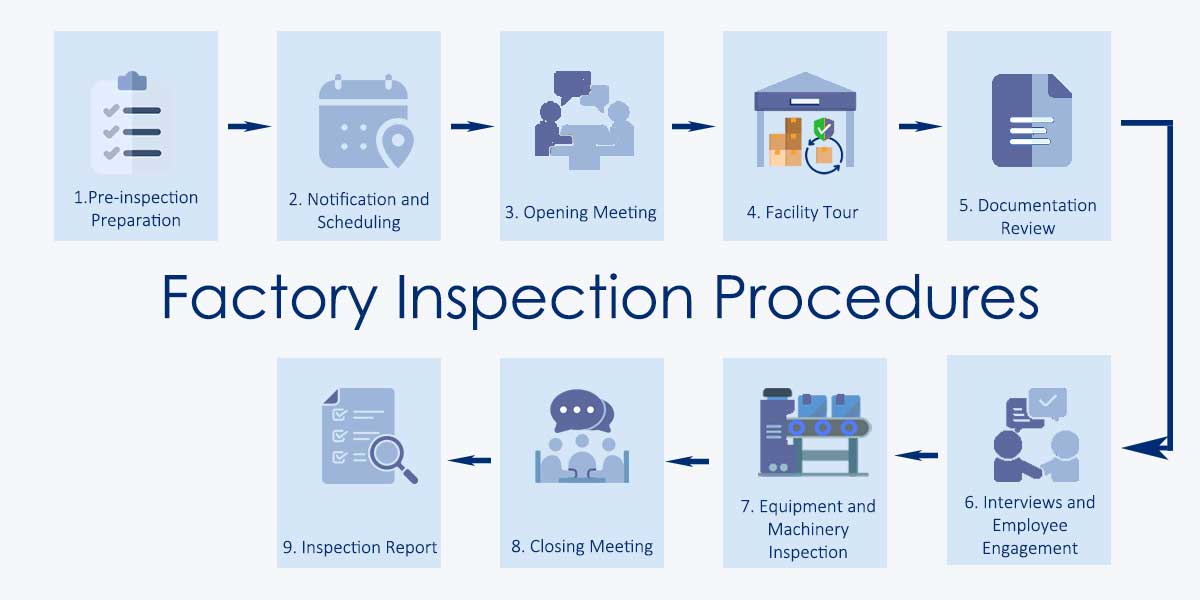
1. Pre-inspection Preparation
Before the inspection, the Factory audit agency aligns with the client to finalize the inspection protocol.
2. Notification and Scheduling
The factory authority will receive advance notice about the inspection date and time. If the proposed schedule poses challenges, you may suggest an alternative date that works better for factory operations.
3. Opening Meeting
The on-site check begins with a formal opening meeting with factory management to confirm the audit scope. They will provide instructions and request specific documents or records they may need to review.
4. Facility Tour
The inspector performs a walkthrough to evaluate the operations, equipment, processes, and working conditions of the factory. Checking if the materials in the warehouse match the specifications ordered and ensuring the warehouse is dry, organized, and free of safety hazards.
5. Documentation Review
The factory authority must ensure that all permits, licenses, safety records, training records, standard operating procedures, and maintenance logs are easily accessible. The inspectors will review these documents to assess compliance with regulations.
6. Interviews and Employee Engagement
Depending on the type of inspection, Inspectors may wish to interview the employees to gather information about their work, training, and safety practices. Encourage open communication and ensure the employees are well-informed and prepared to answer questions accurately.
7. Equipment and Machinery Inspection
The machinery, equipment, tools, and safety systems will be closely inspected. Prioritize proper maintenance, calibration, and the presence of necessary safety features. Address any identified deficiencies or potential hazards promptly.
8. Closing Meeting
After the inspection, the inspectors will hold a closing meeting with the factory authority. They will provide feedback on their findings, discuss any areas for improvement or non-compliance, and may offer recommendations or suggest corrective actions.
9. Inspection Report
The inspectors write a detailed report documenting their findings after the inspection. This report will outline any violations, recommendations, and required corrective actions. Study the report carefully and take the necessary steps to address any identified issues promptly.
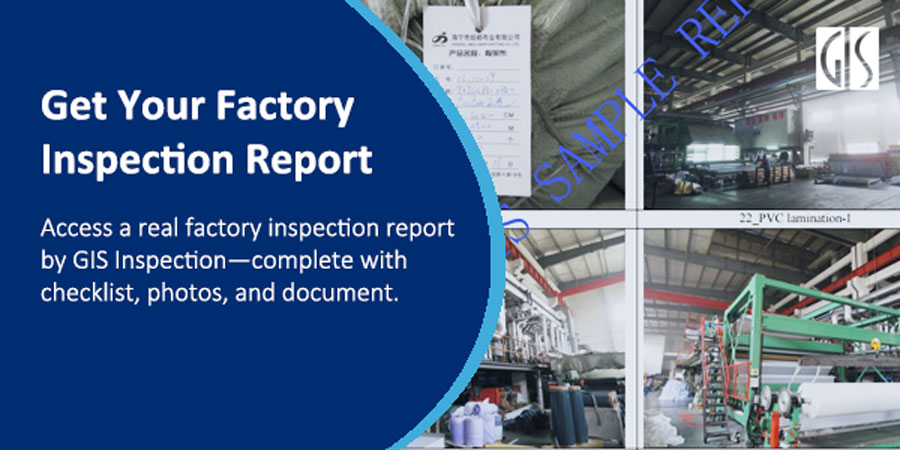
What Does a Factory Inspection Report Include?
A factory inspection report provides a comprehensive overview of a supplier’s capabilities, production conditions, and potential risks. It helps buyers make informed decisions before placing orders or proceeding with production.
Typically, a professional report includes the following key sections:
|
Section |
Details Provided |
|
General Information |
Manpower, production capability, pain countries or areas to export per year, production area, technical capability of product’s development |
|
Production And Related System |
Layout of the factory, resources, workshops, production Plan, purchase of production material, subcontract, production equipment, operating instructions, operators, process control, working process, packing, handling, storage, |
|
Quality Control System |
Receiving inspection, in-process inspection, final inspection, inspection equipment, quality control person and inspector, management of sample, quality record and report, control of nonconforming product, quality analysis and corrective action, rate of non-conformity |
|
Overall Conclusion |
Outstanding, good, acceptable, below requirement, interrupted |
|
Photos |
On-site photos of the factory, visual evidence of findings |
|
Follow-up And Suggestions |
Recommendations for improvement or next steps |
What are the Best Practices for a Successful Factory Inspection?
A successful factory inspection is a strategic tool for risk management. To move from a basic walkthrough to a high-value audit, combining industry guidelines with proven strategies to maintain quality and compliance is essential.
Here are the best practices that help ensure accurate results and reduce sourcing risks:
- Expert Third-Party Inspection Partners: Selecting an experienced third-party agency is the cornerstone of an effective audit. A seasoned partner provides the professional insights and strategic recommendations necessary to safeguard your supply chain.
- Customized Inspection Protocols: Define your specific requirements by tailoring checklists to your industry. For example, in the apparel sector, the focus should shift toward Incoming Quality Control (IQC). For new suppliers, your inspectors must prioritize verifying compliance, authenticity, production capabilities, and quality management systems.
- Qualified Inspector Assignment: Deploy seasoned, 100% full-time inspectors—avoiding unverified freelancers—to ensure specialized expertise in your specific category, whether it be electronics, textiles, or industrial goods.
- Actionable & Transparent Reporting: Deliver objective, evidence-based findings featuring clear visual documentation of critical checkpoints. Reports should explicitly highlight potential risks and provide practical, corrective action plans.
How to Choose a Reliable Factory Inspection Company?
When choosing a 3rd party provider of factory inspection services, you should evaluate their adherence to ISO 9001-aligned procedures, as this demonstrates a commitment to industry standards and inspection requirements.
Transparent pricing models help you avoid unexpected costs and ensure the inspection process aligns with your budget.
Other critical factors include the provider’s experience with your product type, their ability to gather relevant documentation, and how effectively they support corrective actions.
Choosing qualified inspectors familiar with production procedures, labor laws, and supplier agreements improves your supply chain management and protects your factory’s operations.
Experience and Reputation
Providers with a proven track record have demonstrated competence in conducting inspections across various industries and manufacturing processes. You should review client references to assess their ability to meet inspection requirements consistently.
A strong reputation often includes on-time inspection delivery rates exceeding 95%, which is crucial for maintaining your production schedule and final inspection dates. Experienced inspectors understand critical aspects of quality control and safety, ensuring your factory complies with labor laws and supplier agreements.
Cost and Budget
Typical fee structures include flat day rates or per-man-day charges. While budget constraints are understandable, unusually low fees can signal rushed inspections or the use of inexperienced inspectors, risking overlooked defects or compliance violations.
Investing in quality inspections protects your manufacturing process from costly defects, supplier disputes, and potential violations of industry standards or labor laws. Allocating sufficient resources to factory inspection preparing ensures thorough review documentation and accurate reports, which ultimately supports continuous improvement and protects your supply chain from risks and complaints.
Inspection Services That a Provider Offer
When evaluating a factory inspection service, look for a provider offering a full range of inspections. Essential services include pre-production (PP) sample checks, inline inspections during the manufacturing process, final inspections, and container loading inspections. Social audits assessing working conditions and labor compliance are also crucial for many companies.
Aligning the inspection service mix with your product-risk profile is vital. High-risk products require more frequent and detailed inspections, while lower-risk items may need fewer checks.
A provider offering this flexibility, combined with qualified inspectors familiar with your industry standards and production procedures, can effectively help maintain quality and ensure compliance throughout your supply chain.
Communication and Reporting Capabilities
You need a provider who delivers transparent, actionable reports that include findings, photos, and compliance status. Effective reporting methods might include cloud-based dashboards or mobile apps that provide instant access to inspection results and relevant documentation.
Regular feedback loops between you, factory inspectors, and your suppliers enhance early detection of critical issues. This transparency supports corrective actions and continuous improvement, helping you maintain quality and comply with supplier agreements and industry standards. Timely, clear communication ensures that inspection results influence your supply chain management decisions and protect your final product’s quality.
Responsiveness and Turnaround Time
Responsiveness and turnaround time can make or break your production schedule. Delays in receiving inspection reports can cause costly setbacks in manufacturing, shipping, or final inspection phases. Industry best practice is to receive complete reports within 24 to 48 hours after the inspection date.
Fast turnaround enables you to review quality control records, address defective items quickly, and initiate corrective actions without disrupting your supply chain. A responsive inspection provider keeps communication open, coordinates well with your factory authority, and supports timely scheduling, ensuring your manufacturing process runs smoothly and cost-effectively.
Knowledge of Local Regulations and Standards
Each market has unique inspection requirements, labor laws, and industry standards that can significantly affect compliance. For example, in the U.S., children’s products require CPSIA testing, while in the EU, food-contact materials must comply with Framework Regulation (EC) 1935/2004. A provider familiar with these regional rules can help you navigate critical aspects like supplier agreements and ensure your factory’s operations meet both local and international quality standards. This expertise protects your supply chain from violations and costly recalls while supporting consistent quality control throughout the manufacturing process.
Customer Service and Support
Providers who offer clear communication, timely updates, and problem-solving assistance help you navigate potential inspection issues smoothly.
For example, if unexpected delays occur on site, a responsive inspection service can quickly coordinate corrective actions and reschedule inspections to minimize impact on your production process.
Effective support also ensures proper documentation management and helps maintain compliance with supplier agreements and industry standards.
Investing in strong customer service protects your product’s quality and strengthens your relationship with factory inspectors and suppliers throughout various stages of the inspection process.
Conclusion
Selecting the right inspection partner means trusting an expert who understands the nuances of your business. Between navigating local compliance and maintaining high quality-control standards, you need a team that supports your supply chain at every milestone.
At the core of a secure supply chain is transparency. By utilizing 100% full-time inspectors and demanding comprehensive reports within 24 hours, you gain the agility to resolve non-conformities before they impact your bottom line.
When your inspection partner fits your production needs, you aren't just protecting your shipment; you are building a foundation for continuous improvement and resilient supplier relationships.
GIS Inspection
GIS Inspection (General Inspection Services), established in 2005 and headquartered in China, is an CNAS 17020, ISO 9001, and AQSIQ accredited third-party agency. We specialize in comprehensive quality control inspection and supply chain solutions for global buyers. By deploying a dedicated team of 100% full-time professional inspectors, GIS Inspection ensures peak integrity and technical consistency. Today, we are the trusted quality partner for over 12,000 global brands.
Email: lisaliu@gis-inspection.com