Product Quality Control and Quality Assurance Inspection: Enduring your Quaity Sourcing in China
GIS Inspection (General Inspection Services), established in 2005 and headquartered in China, is an CNAS 17020, ISO 9001, and AQSIQ accredited third-party agency. GIS product inspection verifies product quality and quantity to meet customer requirement and comply with regulations and standards.
What is Product Inspection?
Product quality control inspection is a process of ensuring that products or services meet specified requirements and standards before they are delivered to customers or released into the market.
Quality Inspection involves evaluating, verifying and testing items for defects, deviations, or non-conformities that may affect their performance, safety and quality, reliability, and usability. They help to ensure quality control in the manufacturing process, and can protect against product recalls, customer complaints, and reputational damage.
4 Types of GIS Product Quality Inspection Services
GIS quality inspection services cover comprehensive inspections throughout the entire manufacturing process from Pre-production inspection, during production inspection, and pre-shipment inspection.
1. Pre-Production Inspection
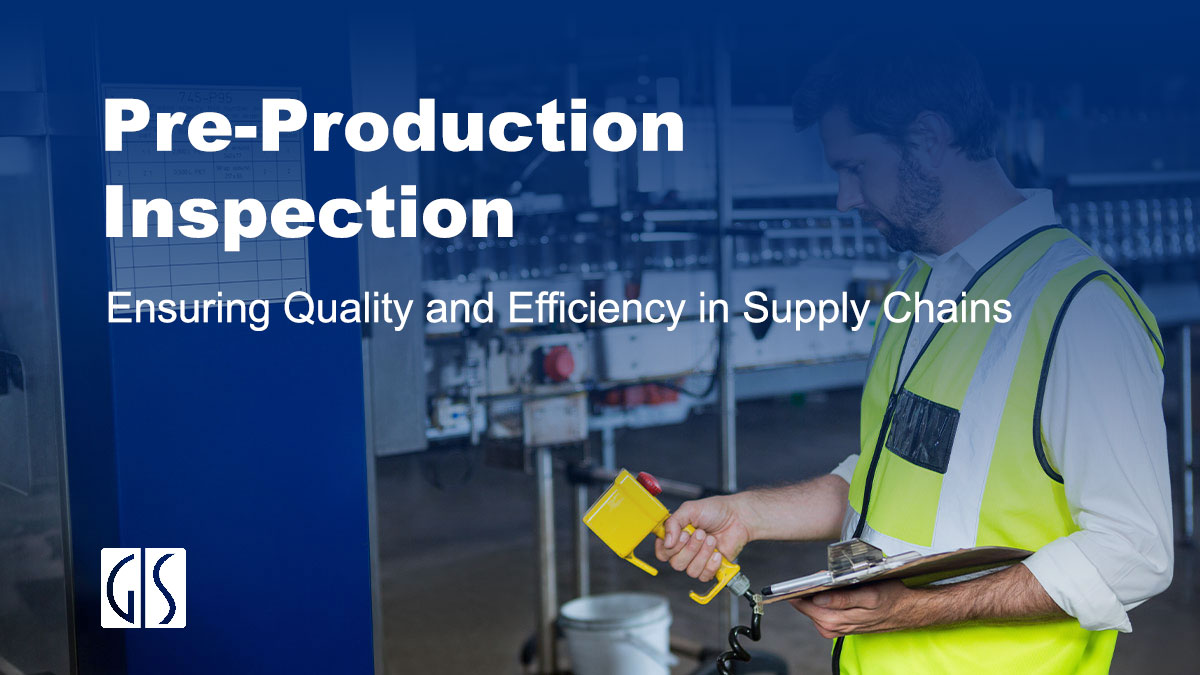
Pre-Production Inspection (PPI) is a type of quality control inspection performed at the beginning of the production process or even before the start of manufacturing to assess the quantity and quality of the raw materials and components, and whether they are in conformity with product specifications.
It is the first step in ensuring that your supplier will consistently manufacture good quality products, which is used to identify quality issues early on in production and to prevent them from causing bigger issues further down the track.
Pre-Production Inspection also can reduce or eliminate communication issues regarding production timelines, shipping dates, quality expectations and others, between you and your supplier.
2. During Production Inspection
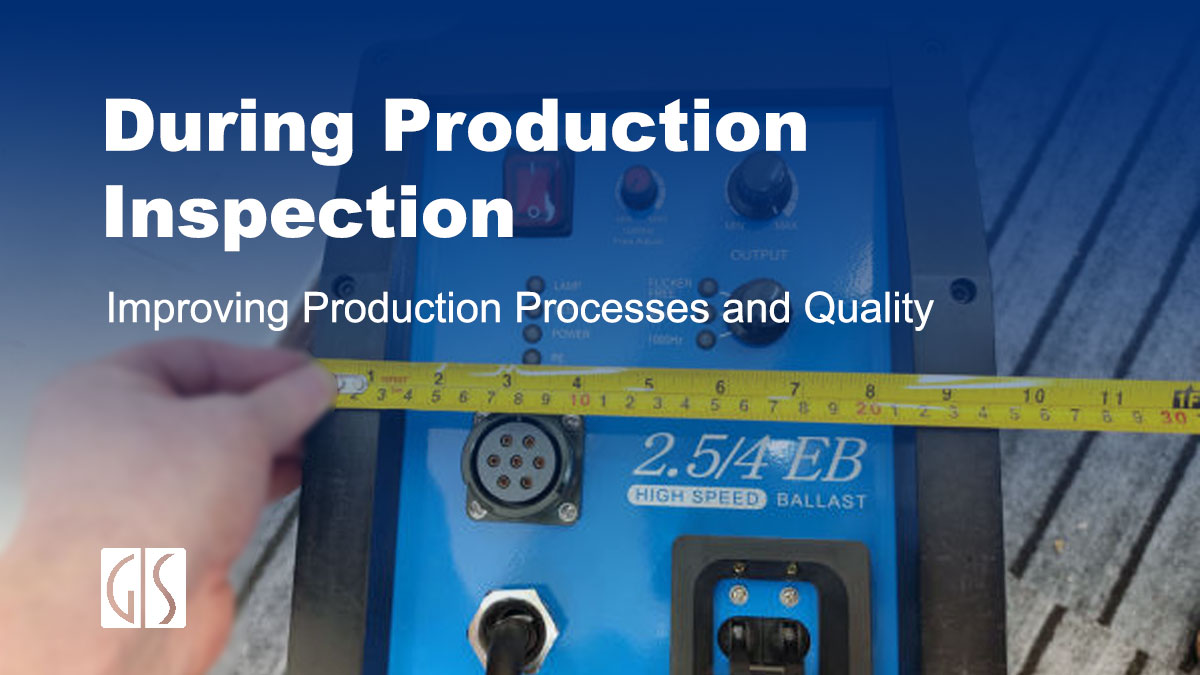
During Production Inspection, also referred to DUPRO, is a critical quality control process that performed when 30%-50% of goods are completed. Its purpose is to check that the factory follows the original specifications correctly and that the output is still on schedule.
DUPRO (During production inspection) can help to detect and correct any issues or defects that could affect the quality or delivery of the products. It allows you to identify any issues or defects early on and enables manufacturers to take corrective actions before large quantities of defective products are produced.
3. Pre-Shipment Inspection
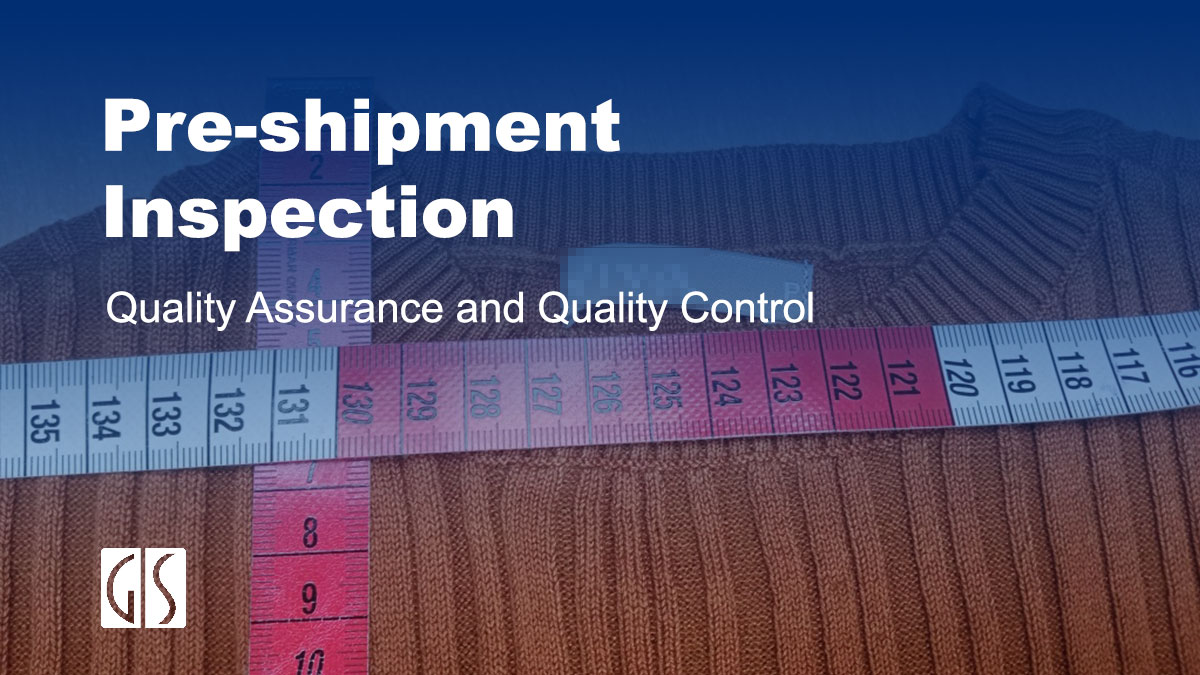
Pre-shipment Inspection (PSI) also called Final Random Inspection, is a vital quality control process conducted by third-party inspection companies on behalf of buyers, importers, or manufacturers.
It generally takes place in the manufacturer’s premises or at the harbor on samples randomly selected according to the defined statistical sampling procedure ANSI and AQL or otherwise agreed with the customer.
Pre shipment inspection criteria normally cover quantity, product conformity, safety, function, product labeling, carton markings and safety hints, and quality (consistent workmanship) compliance with the agreed specification to ensure that the products being shipped comply with the agreed-upon specifications, quality standards, and regulatory requirements.
4. Container Loading Supervision
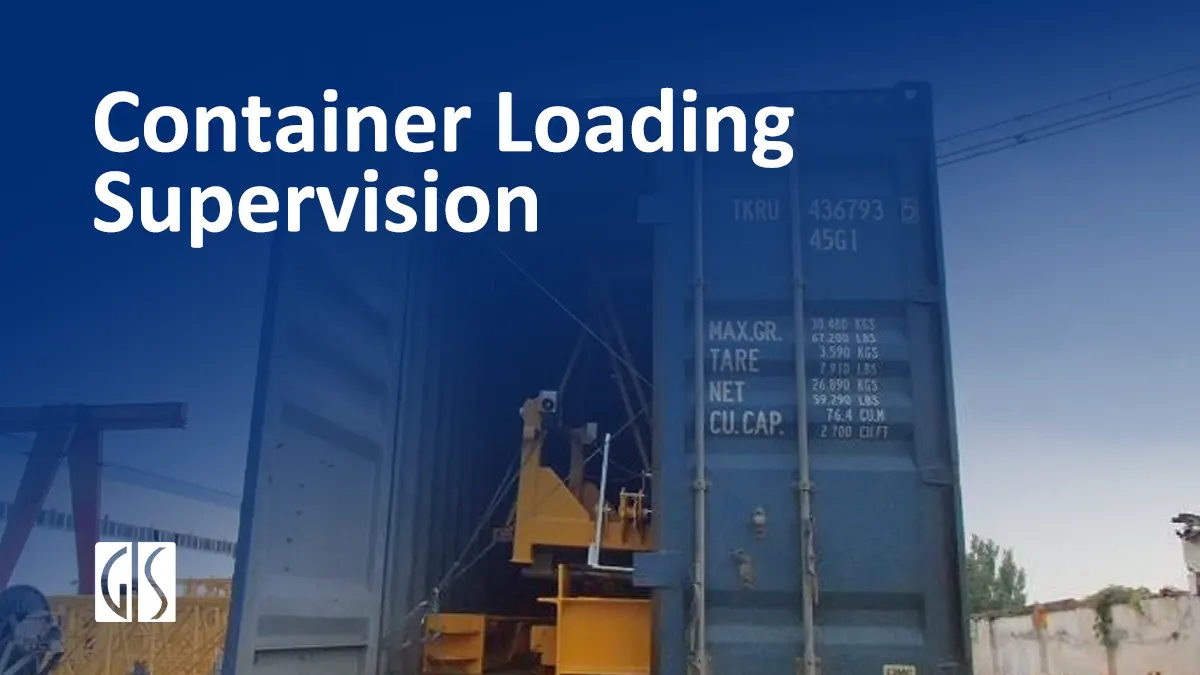
A Container Loading Supervision is an on-site inspection service designed to ensure your products are shipped exactly as ordered, in the right quantities and condition.
Loading Supervision is usually performed at the factory, forwarders warehouse, or port to verify count, confirm load, and seal the container. This inspection also ensures that the products are consistent with the packing list of the client, the correct amount of different styles, sizes, and quantities, and that they are properly loaded to minimize the risk of damage during transit.
Why you need Product Inspection Services?
An effective quality control inspection is essential for any company that manufactures products or provides services. Here’s why you need them:
Product Quality and Consistency Ensuring
The primary objective of Quality Control Inspection is to ensure product quality and consistency. In today’s market, even minor deviations in quality can result in customer dissatisfaction and damage to brand reputation. GIS Inspection services ensure that each product aligns with the specifications and expectations set forth at the onset.
Regulatory and Standards Compliance
Various industries are governed by specific standards and legal requirements, often designed to ensure safety and quality reliability, and efficiency. GIS ensures that products adhere to industry regulations and safety standards, reducing the risk of legal issues and penalties.
Risk Mitigation
GIS inspection services identify potential defects early in the production process to prevent costly recalls, returns, and damage to brand reputation. Also save money by detecting problems before products are shipped, thus minimizing expenses related to rework and returns.
Process Improvement
By consistently monitoring and evaluating products and processes, quality inspections provides valuable insights into areas that require refinement.
Supplier Quality Management
In the globalized supply chain, the quality of raw materials and components significantly impacts the final product’s quality. Through rigorous inspection processes, businesses can ensure that their suppliers adhere to the same high standards of quality, creating a unified front in the pursuit of excellence.
What are Product Inspection Standards and Compliance?
Product inspection standards ensure that all goods meet safety and quality, and performance requirements before reaching consumers. These standards are set by international organizations, industry bodies, and local regulations to maintain consistency and safety across different markets.
1. International Standards for Product Inspection
Two key sets of standards govern global product inspections: ISO standards. The ANSI/ASQC Z1.4 standard, often referred to as AQL (Acceptable Quality Limit), defines sampling procedures to determine if a product batch meets quality levels. This system helps ensure that only a minimal percentage of defects are allowed in any given batch, making it an essential tool in the product inspection process.
2. Compliance with Local and Regional Laws
Every market has its own regulations that must be adhered to. For example, products sold in the European Union must meet CE marking requirements for safety and environmental protection. In the United States, agencies like the FDA or the Consumer Product Safety Commission (CPSC) set standards that products must meet to ensure compliance. Failure to meet these standards can result in penalties, recalls, or even bans on product sales, severely affecting business operations and reputation.
3. How does Sampling Work During an Inspection Conducted by GIS?
GIS recommends utilizing ANSI Z1.4 2008/ ANSI/ ASQC Z1.4/ BS6001/ DIN 40080/ISO 2859/ NFX 06-022(the same inspection sampling standard showed in ANSI and AQL) for inspection sampling. This standard and its equivalence are designed according to the statistics theory and are indexed with AQL.
The sampling plans in these standards indicates the number of units of products from each lot or batch which are to be inspected (sample size) and the criteria foe determination of the acceptability of the lot or batch.
Generally, inspection level Ⅱ shall be used, otherwise a particular lever which determines the relation between the sample size and the lot or batch size will be prescribed by the responsible authority.
Based on the lot or production batch size and the inspection level code letters are assigned that cross-reference to the sample size required depending on which plan is being employed. Single and double normal sampling plans are the most commonly used.
If you do not have existing sampling requirements, GIS will assist you in determining which plan works best for your specific needs. Samples are checked against a detailed inspection plan for appearance, applicable functionality, packaging integrity, workmanship, etc.
If you currently do not have any inspection plan, GIS can assist you. Defects found are classified as critical, major or minor depending on the inspection plans. The acceptable quality limit (AQL) is specified by the responsible authority with the types of defects.
How GIS Conduct a Product Inspection?
GIS quality inspectors usually check products at certain production stages against a comprehensive checklist which is based on the specifications of the product and the requirements of the client. They inspect the products to check whether they are fit for production or semi-finished goods, as well as finished goods ready for shipment to customers.
For each inspection, the checklist is tailored according to the product regulation and standards and the requirements of the client. However, checks typically assess the following:
- Specifications
- Function
- Appearance
- Performance
- Workmanship
- Packaging
- Quantity
Checklists can also be made according to the type of the inspection. For example, pre-production inspection checklists will include checks of raw materials and components.
In most cases, it is not feasible to inspect every single unit of a product or evaluate every aspect of a service. Instead, a representative sample is selected for inspection. In performing products sampling inspection, GIS exclusively apply the ISO 2859 sampling standard which specifies a sampling scheme: Acceptable Quality Level (AQL), to find whether the lot order has met the client's specifications.
The results of the inspection are then compiled into an inspection report. Once the pre-shipment inspection is completed, a report is compiled with a conformed/not conformed result, an overview of key findings, and a detailed account of the inspection results.
All the original photos, videos, original testing data are contained, so you can see exactly what was discovered. A full and detailed inspection report, together with a photographic record within 24 hours of the inspection allows you to see the work undertaken.
The GIS Benefits
Quality inspection in manufacturing is crucial for ensuring that products meet required standards and specifications before they reach the consumer. This process helps identify defects and non-conformities early, preventing costly recalls and enhancing customer satisfaction.
GIS is an international third-party quality control inspection company in China. GIS provides comprehensive quality control designed to protect you supply chain safety. We have set up an inspection network covering China, Vietnam, India and Malaysia.
GIS only employs full-time inspectors. Our highly trained and experienced inspectors are product experts who receive regular training in their field of specialization.
Our inspections can be carried out on all types of consumer products including apparel, textile, footwear, fabric, suitcase, toys, tools, kitchenware, electronics, furniture, home appliances, lighting, and mechanical products.
GIS product inspection services ensure that your products match your desired specifications. Contact us to know more about how GIS can help guarantee your suppliers produce high-quality products.
Frequently Asked Questions
1. How much does a product inspection cost?
Inspection fees depend on the service type, location, and number of man-days required. Most standard inspections are priced as a flat day rate with no hidden fees. Request a quote online and receive pricing within 24 hours.
2. Who will pay for the inspection?
General speaking, the inspection is on the client's account unless we are confirmed by the client who else will pay for it.
3. Do I need to inspect every single shipment?
Not necessarily. The right frequency depends on your supplier's track record, product risk level, and your quality program. QIMA advisors can help you design an inspection plan - whether that's every shipment, random sampling, or risk-based scheduling.
4. When the inspection report is available?
The official inspection report will be available on the next working day after the inspection finished.
5. Any possible to get result right after inspection finished?
GIS may send you draft report at the same day of the inspection finished for your reference. However, the official one will be available in the next working day.
6. Can GIS inspect at any factory location?
GIS has built a multi-solution approach to global buyers and brands about a comprehensive QC service including product quality inspection services, factory audits, testing, and certification covered in China, Vietnam, India and Malaysia. If your supplier is in a country not listed on our coverage map, contact us - we can usually arrange coverage through our global inspector network.
7. How to calculate your QC's working time?
We will consider two parts for each case, time spent in inspection (inspection time and report-making time) and single traveling from the nearest branch to service location.
8. How long to apply in advance for any inspection?
To smooth the inspection arrangement and without any delay, please kindly make your inspection appointments at least 2 working days prior to inspection date you required.
9. What is Acceptable Quality Level (AQL)?
The designated value of defects, expressed as a percentage by the particular sampling procedure and level used will identify what the buyer will normally accept in the majority of cases. Different AQLs may be designed for different defect classifications such as Critical, Major and Minor. Unless specified by the client, GIS will adopt the AQL as follows:
|
|
High valued products |
Low valued products |
|
Critical defects |
Not allowed |
Not allowed |
|
Major defects |
AQL1.0 / 1.5 |
AQL 2.5 |
|
Minor defects |
AQL 2.5 / 4.0 |
AQL 4.0 |