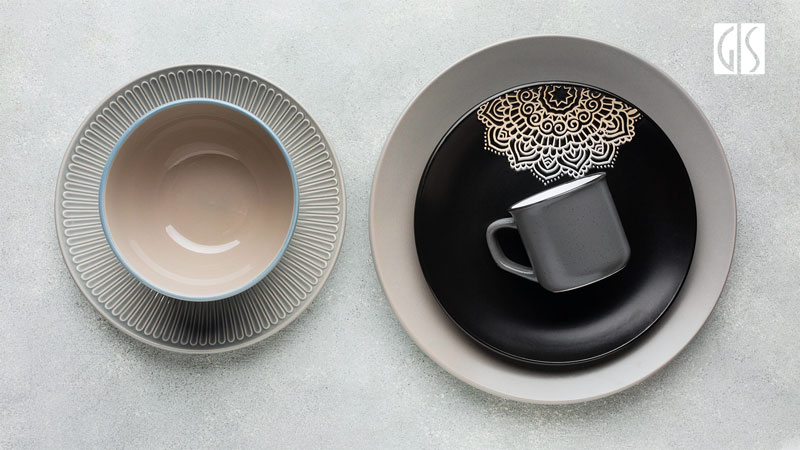
 Ceramic products are widely used in tableware, home and consumer products, medical applications, automotive components, electronics, and other industries. Despite their versatility, ceramic products can be vulnerable to surface defects, dimensional inconsistencies, glaze imperfections, cracks, deformation, and packaging damage.
For buyers sourcing ceramics from China and other manufacturing regions, effective quality control is essential to ensure that products meet approved specifications and arrive in acceptable condition.
This guide explains key ceramic quality control requirements, relevant standards, common inspection methods, and practical inspection procedures.
Why Ceramic Products Inspection Matters
Ceramic quality control is essential to ensure that ceramic products meet the required standards and are safe for use. It helps to:
- Prevent defects: Ceramic quality control helps to identify defects and irregularities that can affect the performance and durability of the final product.
- Improve product quality: Ceramic quality control helps to improve the quality of ceramic products by ensuring that they meet the required standards.
- Reduce costs: Ceramic quality control helps to reduce costs by identifying defects and irregularities early in the manufacturing process.
Ceramic Products and Applications
Ceramics are used to manufacture hundreds of products in the following fields:
- Consumers – used in pottery, dinnerware, home electronics and appliances, lenses, ceramic tiles, windows, glassware, magnets, microwave transducers, and lenses.
- Medical– used in bone implants, dental restoration, joint replacements and prosthesis.
- Automotive– used in the manufacturing of ceramic filters, valves, catalytic converters, airbag sensors, safety glass, piston rings, windshields, thermistors, oxygen sensors, ceramic sensors, pressure sensors, vibration sensors, and valves.
- Computers– used in capacitors, microelectronic packaging, resistors, ferroelectric components, superconductors, and insulators.
- Aerospace– used in engineering thermal barriers, fuel cells, space shuttle tiles, and high temperature glass windows.
- Military– used in missiles, structural components for air, naval, ground vehicles, and sensors.
Ceramic Product Quality Standards
In the realm of ceramics, quality control standards are crucial for ensuring product reliability and performance. These standards provide a framework for manufacturers to follow, ensuring that ceramic products meet specific requirements throughout their lifecycle.
ISO Standards for Ceramic Products
ISO (International Organization for Standardization) has established various standards specifically tailored for ceramic products, which are fundamental in guiding manufacturers toward best practices.
- ISO 5644:2024 : "Porcelain Tableware - Specification and test method" defines requirements, test methods, sampling, marking and labelling for porcelain tableware used in the preparation and serving of food.
ASTM Standards for Ceramic Products
ASTM International provides another layer of rigor through its comprehensive testing methods applicable to ceramics. These ASTM testing methods cover various aspects of ceramic materials—from thermal shock resistance to abrasion resistance—ensuring that every facet of performance is evaluated thoroughly.
- ASTM C1161 - 02: The ASTM C1161 - 02 Test for the Flexural Strength of Ceramics. This test method describes the method of determination for the flexural strength of ceramic materials at an ambient temperature.
- ASTM C1421 - 10: The ASTM C1421 - 10 Test for determining the Fracture Toughness of Ceramics. The test methods determine precracked beam test specimen, surface crack in flexure, and chevron-notched beam test.
- ASTM C1368 - 10: The ASTM C1368 - 10 Test is used to determine the slow crack growth parameters of ceramics products by using a stress-rate rectangular beam flexural testing.
- ASTM C1285 - 02: The ASTM C1285 - 02 Test methods evaluate the chemical durability of glass ceramics, and multiphase glass ceramic waste forms by evaluating the concentrations of the chemicals released to a test solution.
Quality Control Inspection for Ceramic Tableware
Ceramic tableware requires careful quality control because consumers evaluate these products not only by their appearance, but also by their dimensions, surface finish, stability, functionality, packaging, and overall presentation.
For buyers sourcing ceramic dinnerware, plates, bowls, mugs, cups, serving dishes, canisters, and ceramic tableware sets from China, a professional third-party inspection can help identify defects before shipment and reduce the risk of receiving products that do not meet the approved specifications.
A typical ceramic tableware inspection can cover the following areas.
Appearance and Workmanship Inspection
The inspector checks the appearance and workmanship of the ceramic tableware against the buyer's specifications, approved sample, product photos, or other reference materials.
Typical defects that may be checked include:
- Excess glaze
- Uneven surface
- Glaze defects
- Holes or pinholes
- Cracks
- Chips
- Scratches
- Deformation
- Uneven edges
- Poor finishing
- Color variation
- Printing or decoration defects
- Pattern or logo defects
The defects were classified as Major or Minor according to the agreed inspection criteria.
Material and Ceramic Quality Check
The inspector verifies whether the materials and product construction are consistent with the buyer's requirements and available reference documents.
Depending on the product, the inspection may cover:
- Ceramic material
- Glaze
- Surface finish
- Decorative coating
- Ceramic components
- Lids and accessories
- Handles
- Other included components
Dimension Measurement
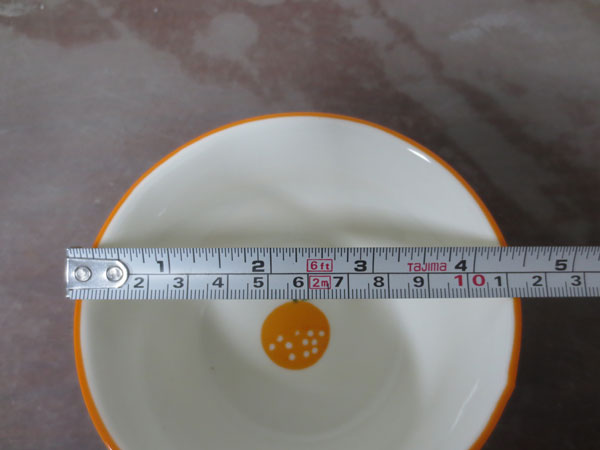
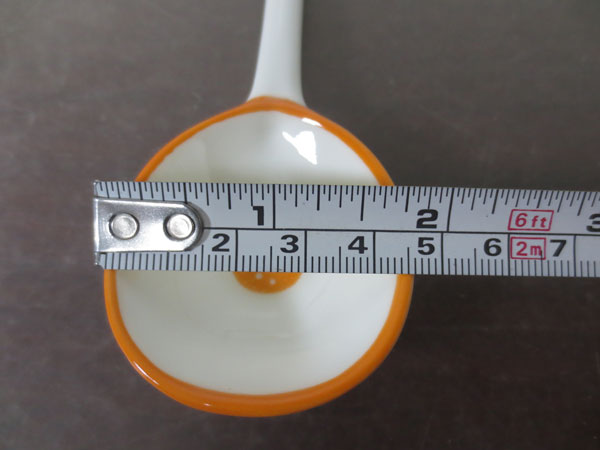
Dimensional inspection is performed to verify that ceramic products conform to the approved specifications.
Measurements may include:
- Length
- Width
- Height
- Diameter
- Thickness
- Product weight
- Lid dimensions
- Capacity
- Packaging dimensions
At General Inspection Services (GIS), the inspector measured different ceramic canisters and a ceramic lid against the customer's specified dimensions. For example, the specified dimensions of a 1.75 qt. canister were 5.25 × 4.5 × 7.125 inches, and the actual measured dimensions matched these specifications.
Capacity Check
Product weight and capacity can be checked against the approved specification.
For ceramic containers, bowls, mugs, and other hollow tableware, capacity verification can help confirm that the product provides the required usable volume.
Flatness and Stability Check
Ceramic plates, bowls, dishes, canisters, and other tableware should sit properly on a flat surface.
A stability or flatness check can identify:
- Uneven bases
- Warped products
- Rocking
- Poorly finished bottoms
- Products that cannot sit securely on a flat surface
In the GIS sample report, ceramic products were checked for stability by placing them on a glass flat surface.
This inspection is particularly important for plates, bowls, serving dishes, containers, and other products that need to remain stable during normal use.
Basic Function and Assembly Check
Although ceramic tableware is generally a non-electrical product, some ceramic products contain multiple components and may require assembly or functional checks.
Depending on the product design, the inspector may check:
- Lid fit
- Handle attachment
- Component assembly
- Opening and closing
- Fit between ceramic components
- Basic usability
- Compatibility between accessories and the main product
For ceramic canisters or tableware sets with lids, for example, the inspector can verify that the lid fits correctly and that the components can be assembled and used as intended.
Odor Check
Ceramic tableware should not have an abnormal or unacceptable odor.
An odor inspection can be particularly useful when products include:
- Decorative coatings
- Printed surfaces
- Packaging materials
- Plastic components
- Silicone components
- Adhesives
- Other non-ceramic accessories
Barcode, Labeling and Marking Inspection
Product labels and markings should be checked against the buyer's requirements.
Depending on the product and destination market, the inspection may cover:
- Product name
- Model number
- SKU
- Barcode
- Brand name
- Country of origin
- Manufacturer information
- Care instructions
- Warning information
- Packaging labels
- Shipping marks
Barcode readability should also be verified where applicable.
Packaging Inspection
Packaging plays an important role in ceramic tableware quality control because ceramic products are fragile and vulnerable to impact during transportation.
The inspection can cover:
- Individual product packaging
- Inner packaging
- Gift boxes
- Protective materials
- Cartons
- Corrugated board construction
- Sealing
- Carton markings
- Packing quantity
- Shipping labels
- Product-to-carton ratio
For example, the GIS ceramic tableware sample report records the carton construction, sealing method, packing quantity, carton gross weight, carton dimensions, and shipping information.
The inspector can also verify whether the packaging provides sufficient protection for the ceramic products during handling and transportation.
Carton Drop Test
A carton drop test can be used to evaluate whether the packaging provides adequate protection against handling impacts.
The test method should be determined according to the buyer's requirements or agreed inspection protocol.
For fragile ceramic products, packaging performance is particularly important because damage may occur even when the products passed the factory's internal quality inspection.
AQL Sampling Inspection for Ceramic Tableware
AQL sampling inspection is commonly used when inspecting commercial quantities of ceramic tableware.
The inspection plan should be agreed with the buyer before the inspection and may specify:
- Inspection standard
- Sampling plan
- Inspection level
- Sample size
- Critical defect acceptance level
- Major defect acceptance level
- Minor defect acceptance level
Real Case: Ceramic Tableware Quality Inspection
GIS conducted a pre-shipment inspection for a ceramic tableware order with a total quantity of 1,530 pieces. The inspection was carried out when production was 100% completed and 80% packaged.
Following the agreed inspection criteria, GIS applied ISO 2859, ANSI/ASQC Z1.4 AQL, using a Single / Normal / Level II sampling plan. A total of 125 pieces were randomly selected for inspection.
The inspection focused on appearance, workmanship, materials, accessories, dimensions, functionality, packaging and labeling. Inspectors identified 5 Major defects and 2 Minor defects, mainly including excess glaze, defective decoration, uneven surfaces, holes and glaze imperfections.
Since the defects remained within the specified acceptance limits of 7 Major and 8 Minor defects, the shipment passed the inspection.
Ceramic Tableware Inspection Checklist
A typical ceramic tableware quality control checklist may include:
- Product quantity verification
- Product appearance inspection
- Workmanship inspection
- Ceramic material check
- Glaze and surface finish inspection
- Color and decoration check
- Logo and printing inspection
- Accessory check
- Dimension measurement
- Weight measurement
- Capacity measurement
- Flatness and stability check
- Lid and component fit check
- Basic functionality check
- Odor check
- Barcode verification
- Label and marking inspection
- Individual packaging inspection
- Carton packaging inspection
- Carton quantity verification
- Carton weight and dimension check
- Drop test, when required
- Shipping mark verification
- AQL sampling inspection
- Defect classification and photographic documentation
The exact inspection scope should be customized according to the product specification, purchase order, approved sample, packaging requirements, and destination market.
What Does a Ceramic Tableware Inspection Report Include?
A professional ceramic tableware inspection report should provide objective evidence of the actual condition of the goods inspected.
A typical report may include:
- Factory information
- Product description
- Order quantity
- Inspection quantity
- Inspection date
- Inspection type
- Inspection criteria
- AQL requirements
- Sample size
- Defect classification
- Appearance inspection results
- Dimension measurements
- Weight measurements
- Capacity measurements
- Function and assembly test results
- Stability test results
- Odor inspection results
- Barcode and labeling results
- Packaging inspection results
- Carton information
- Drop test results
- Defect photographs
- Overall inspection conclusion
The GIS sample report demonstrates this type of inspection documentation, including product information, inspection quantity, inspection type, inspection criteria, AQL sampling, on-site testing, dimensional measurements, packaging information, and photographic evidence.
Check a ceramic tableware inspection report!
When Should Ceramic Tableware Be Inspected?
Ceramic tableware can be inspected at different stages of production depending on the buyer's quality risks and delivery schedule.
|
Inspection Stage |
When Is It Conducted? |
What Is Checked? |
Key Benefit |
|
Pre-Production Inspection (PPI) |
Before mass production begins |
Raw materials, production capability, approved samples, packaging materials, and production requirements |
Helps identify potential issues before mass production starts |
|
During Production Inspection (DPI) |
While production is in progress |
Product quality, workmanship, materials, dimensions, and recurring defects |
Gives the factory time to correct quality issues before the order is completed |
|
Pre-Shipment Inspection (PSI) |
When production is substantially completed and products are ready for shipment |
Finished products, quantity, workmanship, dimensions, functionality, packaging, labeling, and other requirements |
Helps buyers identify defects and confirm shipment readiness before goods leave the factory |
|
Container Loading Supervision (CLS) |
During container loading |
Quantity, product condition, packaging, carton information, and loading process |
Provides additional control over fragile ceramic tableware during handling and loading before international transportation |
Common Defects Found in Ceramic Tableware
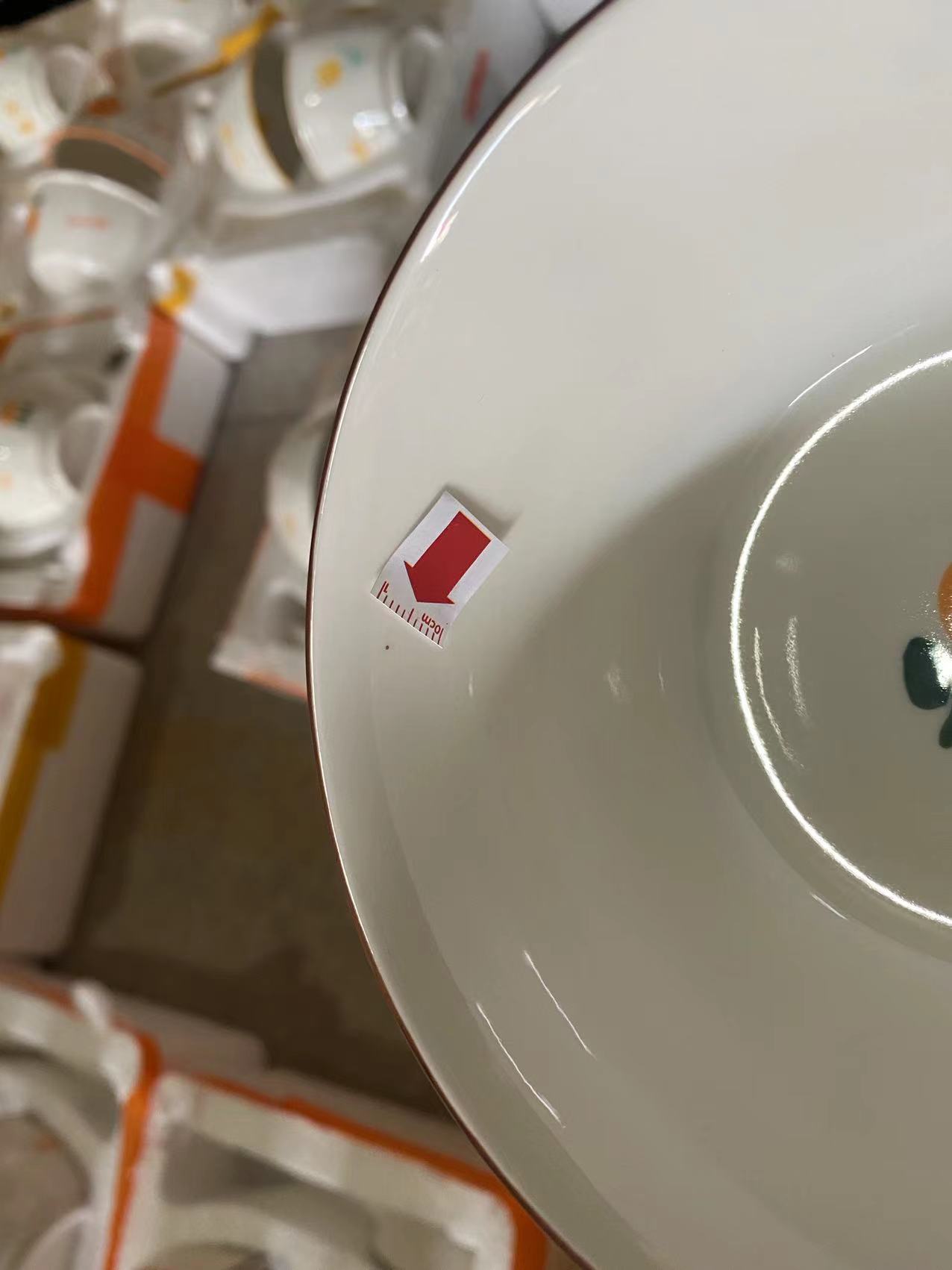
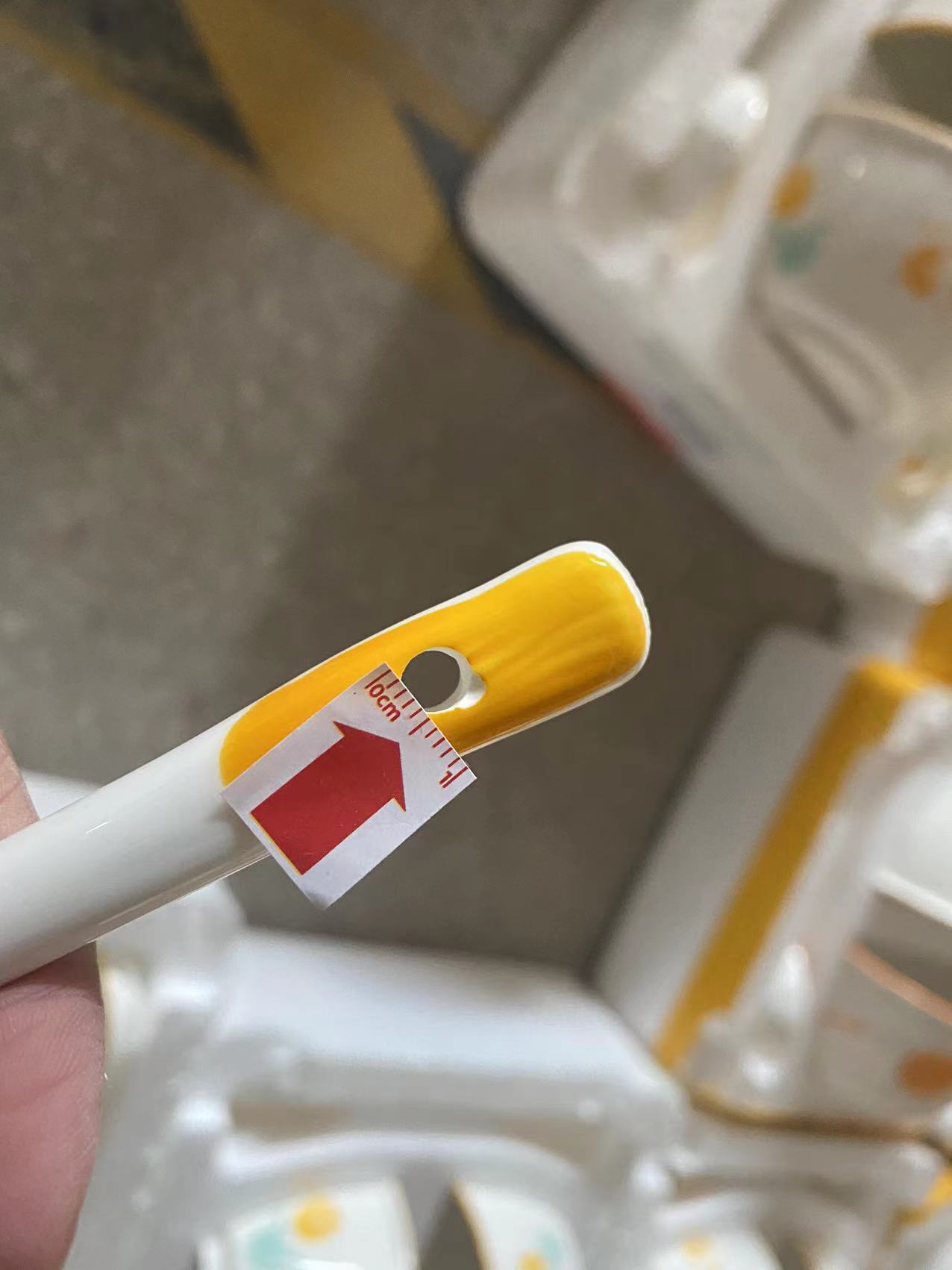
Common ceramic tableware defects may include:
- Excess glaze
- Uneven surfaces
- Glaze defects
- Pinholes or holes
- Cracks
- Chips
- Scratches
- Deformation
- Uneven edges
- Color variation
- Decoration defects
- Printing defects
- Poor assembly
- Incorrect dimensions
- Unstable bases
- Damaged packaging
- Incorrect labels or barcodes
- Missing accessories
The actual defect classification and acceptance criteria should always be based on the buyer's approved specifications and inspection plan rather than applying the same tolerance to every ceramic product.
Why Choose GIS for Ceramic Tableware Inspection?
GIS Inspection provides third-party quality control and inspection services for buyers sourcing ceramic tableware and other consumer products from China and other manufacturing regions in Asia.
Our inspection services can help buyers verify:
- Product quality
- Workmanship
- Dimensions
- Materials
- Functionality
- Packaging
- Labeling
- Quantity
- AQL requirements
- Shipment readiness
Whether you are sourcing ceramic plates, bowls, mugs, cups, serving ware, canisters, ceramic tableware sets or customized ceramic products, GIS can develop an inspection checklist based on your product specifications and purchasing requirements.
GIS has been in the quality assurance business for more than 20 years. Our services can equip you with the information you need when buying ceramic products in Asia factories or before shipping to other locations around the globe.
GIS Inspection
GIS Inspection (General Inspection Services), established in 2005 and headquartered in China, is an CNAS 17020, ISO 9001, and AQSIQ accredited third-party agency. We specialize in comprehensive quality control inspection and supply chain solutions for global buyers. By deploying a dedicated team of 100% full-time professional inspectors, GIS Inspection ensures peak integrity and technical consistency. Today, we are the trusted quality partner for over 12,000 global brands.
Email: lisaliu@gis-inspection.com