
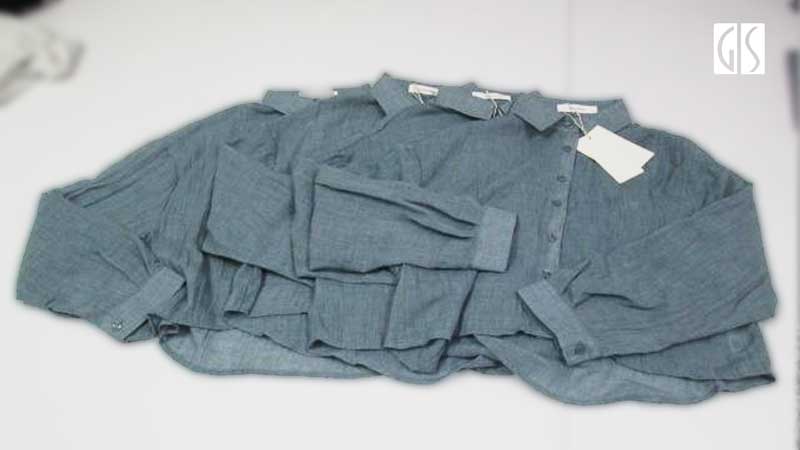
In the highly competitive landscape of the clothing industry, maintaining high-quality standards is of utmost importance for importers, manufacturers, and brands.
Quality inspections are carried out at the garment supplier’s facilities during and after the production process, before the garments are shipped to the brand’s stores and distribution centers.
These inspections are an essential component of quality control in an apparel supply chain, helping to detect defective products and therefore shipments, before they reach your destination market thus mitigating the risk of costly product recalls and customer complaints.
Content
Why Quality Control Is Important for Apparel and Garment
It is the key step for manufacturing and supply chain process, ensuring that you clothing products meet quality, safety, and compliance standards. This process not only safeguards a brand’s reputation but also contributes to customer satisfaction and long-term business success. Below are some key reasons why third-party garment inspection important:
1. Ensures Product Quality
Apparel inspection verifies that garments meet specified standards for design, material, construction, and functionality.
2. Protects Brand Reputation
Third-party inspection helps maintain Apparel Brand’s by preventing the release of defect products that could damage trust and ensuring compliance with market standards to safeguard reputation.
3. Improves Operational Efficiency
Apparel inspection conducted at various stages of production enables early problem identification, reducing costs and delays by minimizing rework and providing feedback for process improvement.
4. Ensures Compliance with Safety Standards
The final inspection in garment industry ensures compliance with safety regulations, particularly in industries such as children's clothing, by focusing on designs that are free from hazards and meeting international standards like REACH and CPSIA.
4 types of Apparel and Garment Quality Control Inspection
Different types of inspections are performed at various stages of the textile and clothing manufacturing process. These include:
1. Pre-Production Inspection(PPI)
A on-site check on the fabric, workmanship, size, labels, and quality of clothing at the beginning or even before of production, against the clients’ specifications, technical drawings and golden sample.
2. During Production Inspection (DUPRO)
A check on the dimensions of components, quality of materials and finished products during gamrment industry manufacturing to identify issues early.
3. Pre-Shipment Inspection(PSI)
PSI also called Final Random Inspection (FRI) -A detailed visual and final inspection in garment industry on randomly selected finished clothing products. It takes place when the merchandise is completed, packed and ready for shipment.
The quantity, workmanship, function, color, size specifications safety test, and packing details are verified to ensure that the contract specifications are met.
Generally conducted at the factory or port to verify count, confirm load and seal container prior to the container being sealed for export.
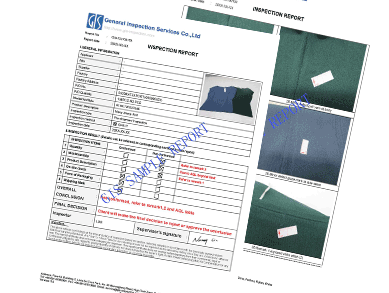
Download the Apparel Inspection Sample Report
See a real example of how GIS Inspection evaluates garment quality, measurements, workmanship, testing, and packaging.
Apparel and Garment Quality Inspection Procedures
Garment brands require strict quality inspection procedures to prevent defects, protect brand reputation, and mitigate risks like product recalls. A typical apparel inspection procedure includes the following key steps:
1. Garment Appearance and Workmanship Check
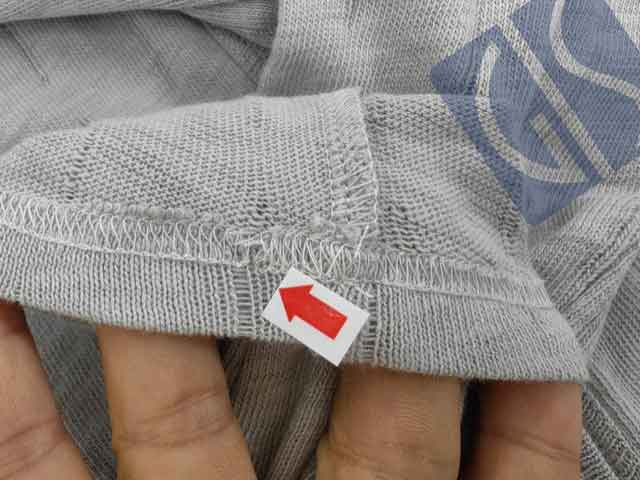 Broken Stitch Defect Found on a Long-Sleeve T-Shirt During Inspection in China
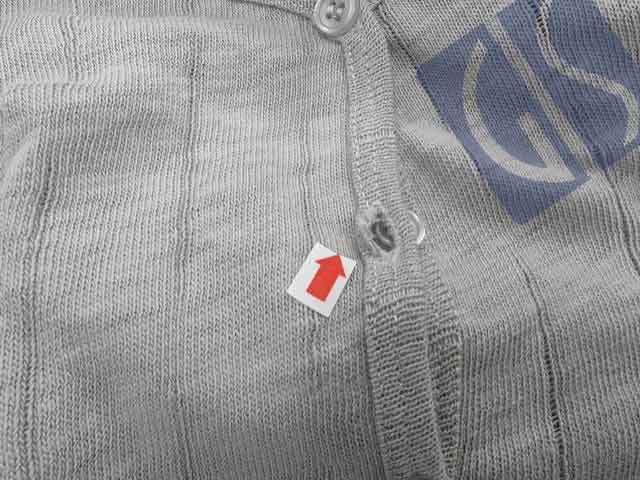 Frayed Buttonhole Defect Found on a Long-Sleeve T-Shirt During Inspection in China
Appearance and workmanship check ensure that the tested apparel meets your specifications.
- Checking garment style and colors against an approved sample: inspectors will use photographs and Pantone color charts for comparison
- Checking any artwork or logos: to ensure that any artwork and/or logos match the reference, are properly positioned on the garment, and appropriately attached (stitched on, glued on, etc.)\
- Label verification: Correct labeling is essential for complying with the garment labeling requirements of destination markets. The EU and United States in particular have strict regulations regarding garment labeling, and incorrect or missing labels can see your product rejected at customs, or land you with a fine.
2. Garment Dimension Measurement
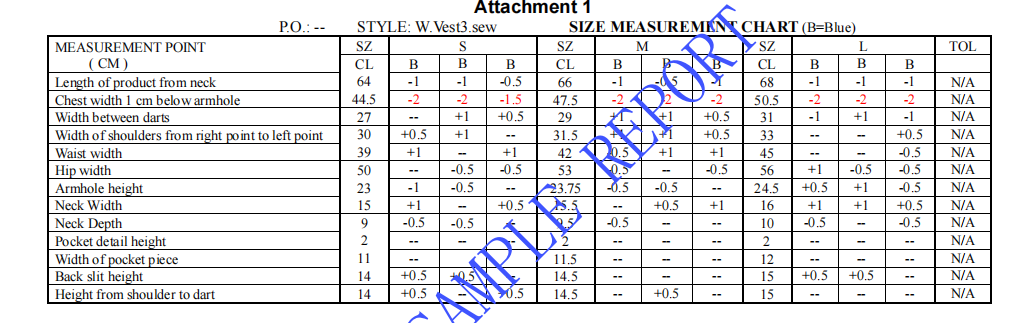
The dimensions of garments must be consistent and comply with their specified sizes. Inspectors measure all garment points (e.g., sleeve length, chest width) across every size. Measurements are compared against technical spec sheets within defined tolerance limits.
Notice: QC inspectors and your supplier should be well informed of the tolerances for garment dimensions, which determine an acceptable margin of error for any defects or discrepancies.
3. On-Site Physical and Functional Testing
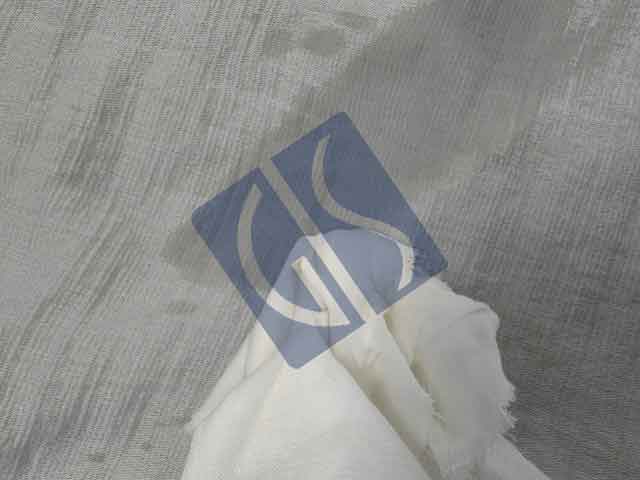 GIS inspector performs a colorfastness rub test to check color transfer from the garment fabric.
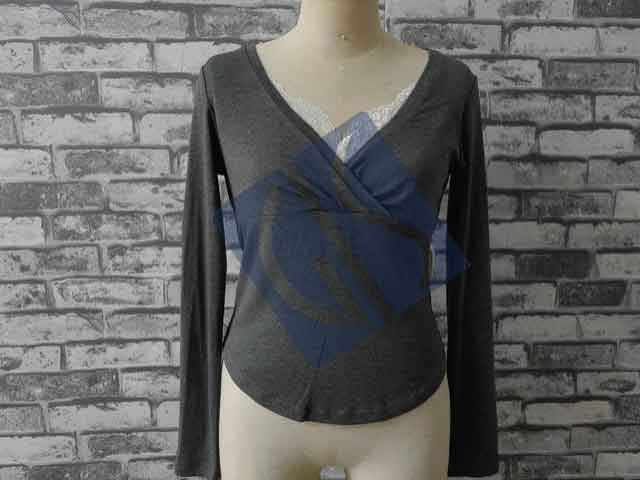 GIS quality inspector conducts a fit test on a long-sleeve T-shirt using a mannequin to verify the garment.
Selected garments are tested to evaluate performance, safety, durability, and usability. Common on-site tests include:
- Transportation Drop Test: With reference to ISTA 1A drop test method. Drop the package eleven (11) times from 31-76 cm on a bare, hard (concrete) floor. The package or product should not be damaged after the test.
- Fit test: Place the garment on a suitable mannequin or model to assess fit, shape, balance, and overall appearance.
- Accessories Testing: Pull tests for zippers, fatigue tests for snaps/buttons (50 cycles), and stretch tests for elastics.
- Elastic stretch test: Stretch elastic bands, waistbands, and straps to check recovery, flexibility, and attachment.
- Colorfastness rub test: Rub the fabric with a standard material to determine whether color transfers.
- Seam slippage test: Apply force to seams to check whether the fabric separates or the stitching opens.
- Metal detection: In the garment and apparel industry, metal detecting devices are utilized to detect needles that may have been accidentally lodged in finished garments. It is also necessary to ensure that garments and apparel meant to be sold or exported are devoid of all sorts of metal contaminants. Our inspectors use metal detecting devices to ensure that no broken needle or metal should be detected for all selected cartons.
- Odor check: Examine garments for abnormal odors caused by moisture, mold, chemicals, or contamination.
- Wash or shrinkage test: Where required, wash samples to evaluate dimensional stability, color change, and fabric performance.
- Barcode scanning test: The barcode must be scannable and with the correct number.
- Carton assortment: The packing assortment should be correct as client's requirement and package marking for all selected cartons for all selected cartons.
- GSM test per fabric type: Verify the fabric weight (grams per square meter, GSM) for each fabric type and compare the results with the approved specifications and allowable tolerances.
4. Packaging
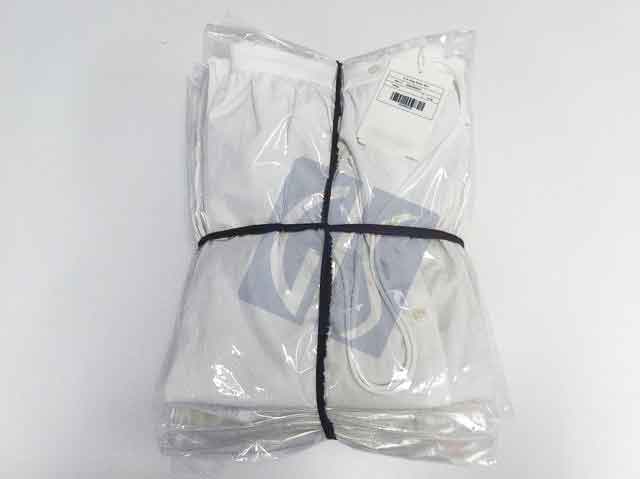 GIS quality inspector checks the packaging of long pants to ensure the products are properly packed.
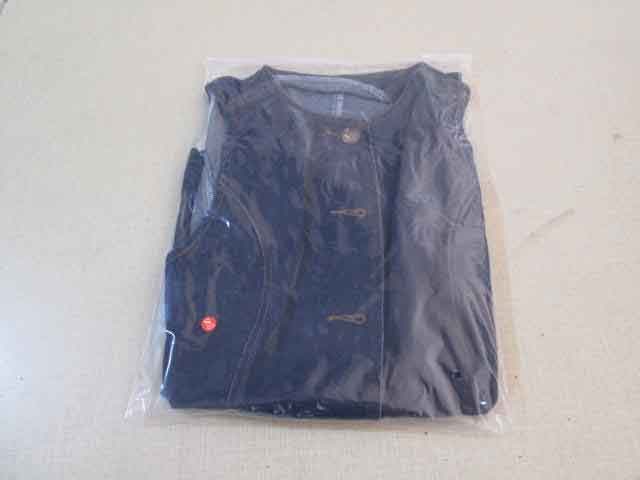 Packaging inspection of denim vests for a Korean buyer during garment quality inspection in China
Inspectors check the packing method and packing information to ensure that everything is accurate and safe for transportation. Inner and outer packaging are inspected to ensure that they meet client specifications, with results provided in the report.
4 Common Apparel and Garment Defects
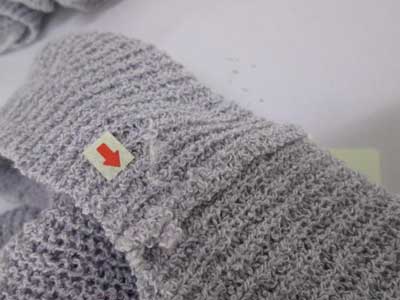
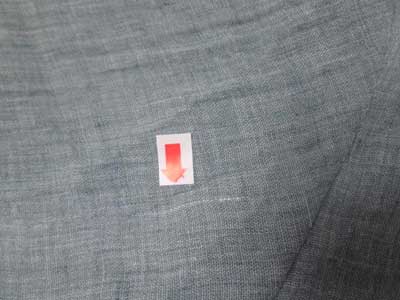
Garment defects can occur at any production stage, from raw materials to finished products. Understanding the common types of defects is essential to identify them during quality control inspections.
1. Fabric Defects:
- Color variations: These can occur due to dye lot variations or inconsistencies in the dyeing process. Identifying color variations during quality control inspections is crucial to ensure that all garments in a batch have consistent colors.
- Stains: Stains on fabric can occur during manufacturing or transportation. These can be caused by oil, dirt, or other substances. Inspectors should check for stains and remove them before the garment is shipped.
- Holes: Holes in the fabric can be caused by snags, tears, or damage during production or transportation. Identifying these defects and either repairing them or removing the affected garments from the shipment is essential.
- Snags: Snags occur when threads are pulled out of the fabric, creating a loop. This can happen during production or wear. Identifying and repairing snags is crucial, as they can lead to further tearing or damage to the garment.
2. Construction Defects:
- Broken stitches: Broken stitches can occur when the sewing machine needle breaks or the thread tension is incorrect. This can lead to loose seams or even holes in the garment. Identifying broken stitches and repairing them before shipping the garment is crucial.
- Misaligned seams: Misaligned seams occur when the pieces of fabric need to be sewn together correctly, resulting in uneven seams. This can make the garment look unprofessional and affect its fit. Inspectors should check for misaligned seams and correct them before shipping.
- Loose threads: Loose threads can occur when the thread is not trimmed correctly after sewing. These threads can become tangled and create a messy appearance. Inspectors should perform yarn inspection and cut them before shipping the garment.
3. Print Defects:
- Print smudging: Print smudging occurs when the ink smears or rubs off during production or transportation. This can result in an incomplete or distorted design. Inspectors should check for smudging and ensure the print is complete before shipping.
- Fading: Fading occurs when the design's colours fade after washing or exposure to sunlight. This can lead to a garment looking worn out or old. Inspectors should check for fading and ensure the colors are vibrant before shipping.
- Alignment: Alignment issues can occur when the design needs to be placed correctly on the garment, resulting in an uneven or crooked appearance. Inspectors should check for alignment issues and ensure the design is set correctly before shipping.
4. Sizing Defects:
- Incorrect measurements: Incorrect measurements can occur when the pattern or template used to cut the fabric must be corrected. This can result in a garment being too big or too small. Identifying sizing defects and adjusting the pattern or removing the affected garments from the shipment is essential.
- Inconsistent sizing: Inconsistent sizing can occur when different garment parts have varying measurements. Inconsistent sizing might affect the fit and comfort of the garment. Inspectors should check for inconsistent sizing and ensure that all aspects of the garment meet the required standards.
Action Plan to Prevent Common Apparel Defects
Preventing apparel defects requires quality control at every stage of production. Buyers and manufacturers can reduce defect rates by following these key steps:
- Set clear specifications: Define requirements for fabric, color, measurements, stitching, labels, and packaging.
- Check raw materials: Inspect fabrics and accessories before production to identify defects early.
- Inspect during production: Conduct in-line and during-production inspections to detect workmanship and dimensional issues.
- Control critical processes: Pay close attention to cutting, sewing, ironing, finishing, and packing.
- Conduct pre-shipment inspection: Use AQL sampling to verify product quality before shipment.
- Track and correct defects: Record recurring defects, identify their root causes, and require corrective actions from the factory.
A structured quality control plan helps buyers identify apparel defects early, reduce rework and production losses, and ensure consistent product quality.
GIS Apparel and Garment Quality Control Services
General Inspection Service (GIS Inspection) is a leading third-party quality control inspection company in China. With 20 years of industry-wide experience, GIS Inspection helps clothing businesses reduce supply chain risks, ensuring your apparel industry meet stringent quality and compliance benchmarks.
GIS Quality Inspection for Apparel and Garment
GIS Inspection offers comprehensive quality assurance services to apparel worldwide, including:
Quality Control Inspections
- Pre-Production Inspections
- During Production Inspections
- Pre-Shipment Inspections
- Container Loading Inspections
Learn more the details of: The 4 Types of Quality Inspection: A Complete Guide for Importers
Factory Inspection & Supplier Audit
GIS performs the following types of factory and supplier audits:
- Quality Assessment
- Social Compliance Audits
- Environmental Audits
- Manufacturer Audits
- Quality Engineering Consulting
Clothing Products We Inspect
GIS Inspection provides quality inspection services for a wide range of clothing and apparel products, including:
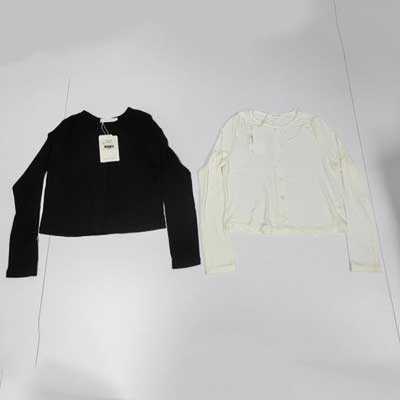
T-Shirts & Tops
Shirts
Blouses
Polo Shirts
Tank Tops
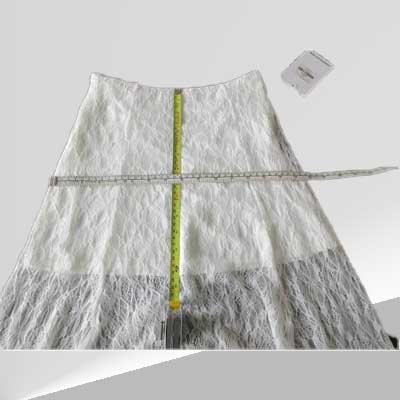
Dresses & Skirts
Skirts
Jumpsuits
Formal Dresses
Casual Dresses
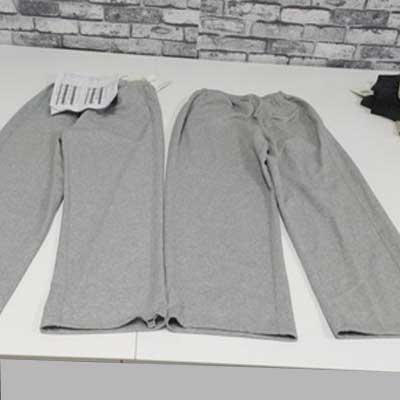
Pants & Trousers
Trousers
Leggings
Shorts
Sweatpants
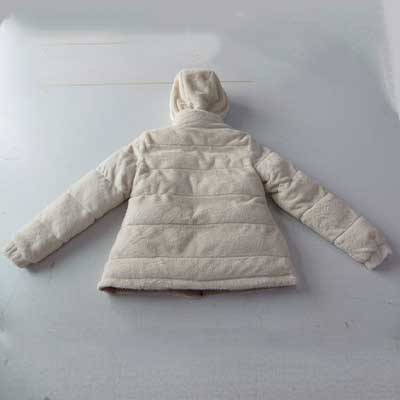
Jackets & Coats
Coats
Blazers
Windbreakers
Down Jackets
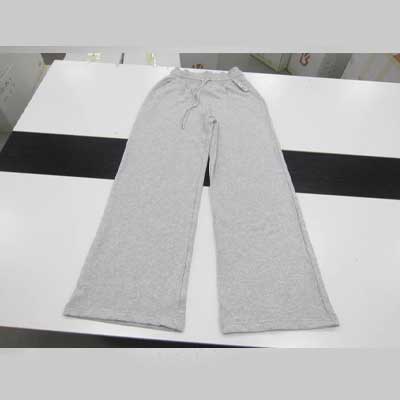
Sportswear & Activewear
Sports Pants
Gym Wear
Yoga Wear
Running Wear
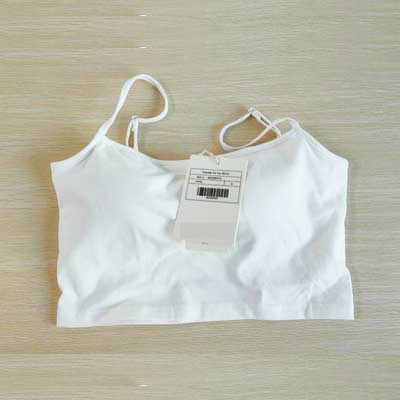
Underwear & Sleepwear
Bras
Pajamas
Robes
Nightwear

Children's & Baby Clothing
Kids' T-Shirts
Children's Dresses
Kids' Outerwear
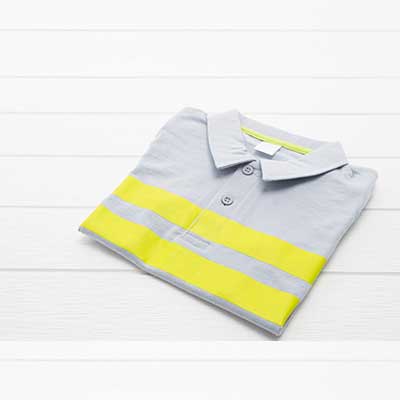
Workwear & Uniforms
Corporate Uniforms
Protective Clothing
Industrial Workwear
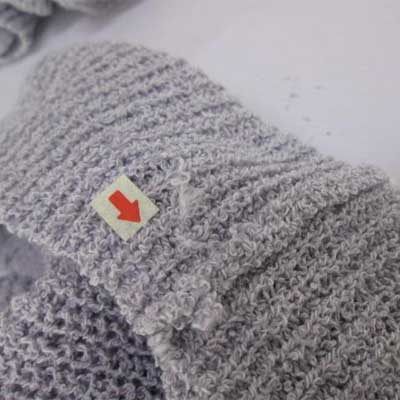
Knitwear & Sweaters
Cardigans
Knitted Tops
Knit Dresses
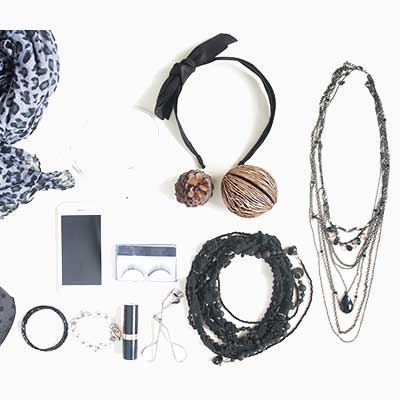
Fashion Accessories
Hats
Gloves
Belts
Our apparel inspections can cover fabric quality, workmanship, measurements, c olor, stitching, labels, functionality, packaging, and overall appearance according to buyer specifications and applicable standards.
Nationwide Aluminum Product Inspection Coverage in China
GIS Inspection has developed a comprehensive nationwide office and inspection network across China, with local offices strategically located in key manufacturing regions, including Fuzhou, Guangzhou, Shenzhen, Dongguan, Shantou, Shanghai, Xiamen, Ningbo, Hangzhou, Suzhou, Jiangsu, Qingdao, Tianjin, Jinan, Zhengzhou, and Hong Kong.
Conclusion
At GIS Inspection, we have to years of experience of providing comprehensive quality control solutions for the clothing industry. Our expertise and meticulous inspection process helped over 500 importers, manufacturers, and brands ensure exceptional product quality.
Get in touch with us today to schedule an inspection for your apparel and garment product.
Learn more about quality inspection best practices in our AQL calculator and sampling guide.
FAQs
1. What is AQL (Acceptable Quality Limit) and how is it used in garment inspections?
AQL defines the maximum number of defects allowed within a production batch while still considering it acceptable. It’s a statistical standard that helps manufacturers balance inspection efficiency and product quality. AQL sampling inspection ensures that quality remains consistent without inspecting every single item.
2. May GIS identify the fabric material on site?
Sorry, the fabric material could not be identified on site. If you are concerned, we may help to send sample to any lab for testing. Sure, the lab will charge relevant cost accordingly.
GIS Inspection
GIS Inspection (General Inspection Services), established in 2005 and headquartered in China, is an CNAS 17020, ISO 9001, and AQSIQ accredited third-party agency. We specialize in comprehensive quality control inspection and supply chain solutions for global buyers. By deploying a dedicated team of 100% full-time professional inspectors, GIS Inspection ensures peak integrity and technical consistency. Today, we are the trusted quality partner for over 12,000 global brands.
Email: lisaliu@gis-inspection.com