
The EU Packaging and Packaging Waste Regulation (PPWR) will apply from August 12, 2026, introducing new requirements on PFAS, heavy metals, declarations of conformity, operator identification, EPR registration, and reusable packaging systems to improve packaging sustainability and traceability.
-Effectives.png)
From 12 August 2026, the Packaging and Packaging Waste Regulation (PPWR) will become fully applicable across the European Union.
Regulation (EU) 2025/40, known as the Packaging and Packaging Waste Regulation (PPWR), introduces new requirements that directly impact food contact packaging. These range from PFAS restrictions and the EU Declaration of Conformity to recyclability requirements and minimum recycled content targets, with obligations extending through to 2040.
What is the EU Packaging and Packaging Waste Regulation (PPWR)?
The Packaging and Packaging Waste Regulation (PPWR) is a new EU legislative framework that will replace the existing Packaging and Packaging Waste Directive (94/62/EC).
It introduces consistent rules across the European Union covering packaging design, recyclability, labelling, reuse requirements, and data reporting. The objective is to reduce packaging waste and support the transition to a more circular packaging economy across Member States.
How does PPWR Differ from the Previous Packaging Directive?
The earlier Packaging and Packaging Waste Directive required EU Member States to transpose its provisions into national law, which led to differences in implementation between countries.
By contrast, the PPWR is a directly applicable EU Regulation, meaning the same rules will apply across all Member States without national transposition.
The regulation introduces several new elements, including:
- Harmonized packaging labelling requirements
- Mandatory recyclability criteria for packaging
- Reuse and reduction targets
- More standardized digital reporting requirements
Less wasteful: Plastic packaging must be made in part from recycled content, with increasing targets for 2030 and 2040.
Four Critical Compliance Pillars about PPWR
Here is your roadmap to the four critical compliance pillars that must be ready by August.
PFAS and Heavy Metals Requirements
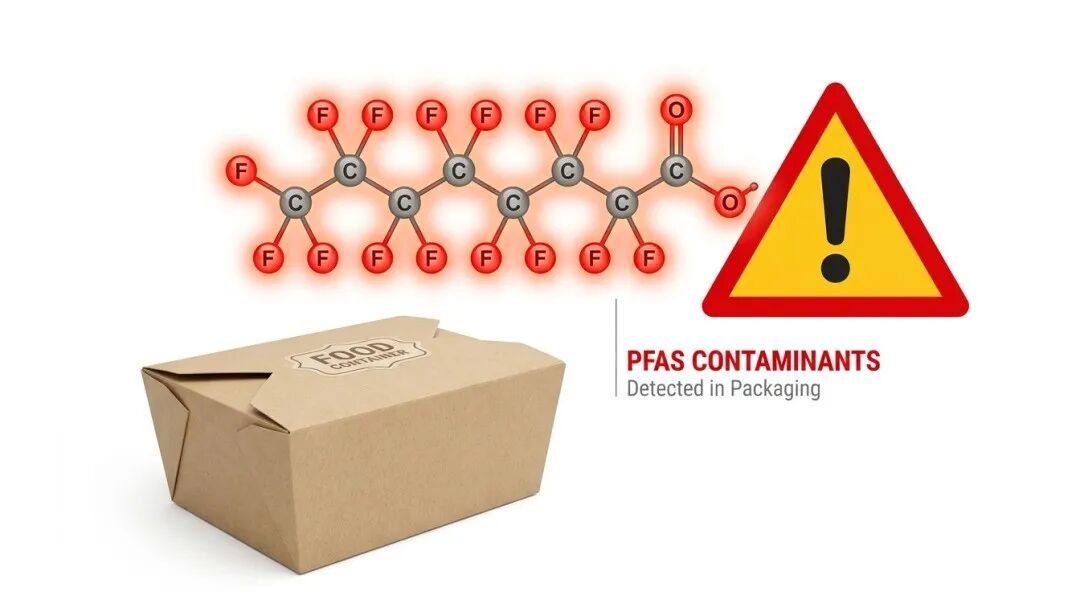
A key measure entering into application is a restriction on per- and polyfluoroalkyl substances (PFAS) in food-contact packaging, meaning food-contact packaging containing PFAS above strict limits can no longer be placed on the EU market.
The measure is designed to reduce exposure to so-called ‘forever chemicals’ – a group of highly persistent substances that can accumulate in the environment and in the human body.
PFAS have been commonly used in food packaging such as takeaway containers, fast-food wrappers, microwave popcorn bags, bakery paper and pizza boxes, to repel water or grease. By limiting the use of PFAS in food-contact packaging, the new rules will help protect human health while reducing the release of these harmful substances into the environment.
- The PFAS Ban: Per- and polyfluoroalkyl substances (PFAS) are prohibited in food-contact packaging if they exceed specific limits: 25 ppb for individual non-polymeric PFAS; 250 ppb for the sum of non-polymeric PFAS; and 50 ppm for total fluorine (including polymers).
- Heavy Metal Limits: The combined concentration of Lead, Cadmium, Mercury, and Hexavalent Chromium must not exceed 100 mg/kg. While this limit existed under older directives, the PPWR introduces more rigorous market surveillance.
EU Declaration of Conformity (DoC)
By August, every packaging type sold in the EU must be accompanied by a formal EU Declaration of Conformity.
Manufacturers are responsible for drafting and issuing the DoC; importers must ensure compliance by securing and validating these documents for every shipment.
The DoC must be backed by a technical file containing design specifications, test results, and recyclability assessments. This documentation must be kept for 5 years for single-use packaging and 10 years for reusable packaging.
Manufacturer and Importer Identification
To ensure traceability and accountability, the PPWR requires clear identification of the economic operators involved.
Packaging must bear the name, registered trade name or trademark, and a postal address for both the manufacturer and, where applicable, the importer.
EPR Registration in Every Member State
Under Extended Producer Responsibility (EPR), producers must register in each Member State where you make packaging available for the first time. If the producer is not established in a Member State where you sell, Authorized Representative may be required to handle your EPR obligations.
Reuse Systems
By 12 August 2026, anyone placing reusable packaging on the market must ensure an active system is in place for collection, reconditioning, and redistribution. This includes having clear instructions for consumers, designated drop-off points, and established logistics to ensure the packaging actually returns to the loop.
Key Deadlines Under Regulation (EU) 2025/40
Understanding the PPWR implementation timeline is essential for planning investments and ensuring packaging compliance with the new regulatory requirements.
12 August 2026: The First Major Compliance Deadline
From 12 August 2026, the first operational obligations under the PPWR will come into force:
- PFAS restrictions for food contact packaging exceeding the permitted thresholds;
- Mandatory registration with Extended Producer Responsibility (EPR) schemes;
- Issuance of an EU Declaration of Conformity for each packaging type;
- Compliance with the general recyclability requirements set out in Article 6 of the Regulation.
No transitional period is provided for newly placed products. Any packaging placed on the market from this date onwards must fully comply with the new regulatory requirements.
Retail and Takeaway Requirements (2027–2029)
- 2027: Bars, cafés and restaurants will be required to allow customers to use their own reusable containers for takeaway food at no additional cost.
- 2028: The introduction of harmonised packaging labelling will become mandatory, helping consumers correctly sort packaging waste and improving recycling across the European Union.
- 2029: Member States will be required to implement Deposit Return Schemes (DRS) for single-use plastic beverage bottles and aluminium cans.
2030: A Turning Point for Packaging Design and Recycling
From 2030 onwards, the PPWR introduces a new set of mandatory design requirements:
- Mandatory recyclability: all packaging placed on the EU market must be designed for recycling (Design for Recycling).
- Minimum recycled content: mandatory minimum levels of post-consumer recycled plastic must be incorporated into new plastic packaging.
- Single-use packaging restrictions: selected single-use packaging formats will be banned, including packaging for fresh fruit and vegetables (under 1.5 kg), single-portion packaging used in hotels and restaurants (such as sauce sachets and miniature toiletry bottles), and plastic luggage wrapping at airports.
- Reuse targets: large retailers will be required to dedicate at least 10% of their retail space to refill and reusable packaging systems.
Long-Term Targets (2035–2040)
- 2035: Packaging with low recyclability performance (Performance Grade C) will no longer be permitted on the EU market. Only packaging achieving Performance Grades A or B will be allowed.
- 2040 – The Final Milestone: The Regulation sets a mandatory 15% per capita reduction in packaging waste compared with 2018 levels. Reuse targets for transport packaging and beverage packaging will also increase significantly, reaching up to 70% for certain packaging categories.
FAQs about PPWR
Q1. What is the EU Packaging and Packaging Waste Regulation (PPWR)?
The Packaging and Packaging Waste Regulation (PPWR) is a new EU legislative framework that will replace the existing Packaging and Packaging Waste Directive (94/62/EC).
It introduces consistent rules across the European Union covering packaging design, recyclability, labelling, reuse requirements, and data reporting. The objective is to reduce packaging waste and support the transition to a more circular packaging economy across Member States.
Q2. When will the PPWR take effect?
The PPWR formally entered into force on 11 February 2025 and will start to apply from 12 August 2026.
Implementation will be phased, with additional technical requirements introduced gradually between 2026 and 2030 through delegated and implementing acts that define detailed compliance rules.
Q3. What are the key objectives of PPWR?
- Reduce packaging waste by 15% per capita by 2040.
- Ensure all packaging meets EU recycling requirements by 2030.
- Increase reuse and refill systems across key sectors.
- Introduce harmonised labelling to improve consumer recycling habits.
Q4. Who does PPWR apply to?
The Packaging and Packaging Waste Regulation (PPWR) applies to any organisation placing packaging or packaged products on the EU market.
This includes:
- Manufacturers
- Importers
- Distributors
- Brand owners
- Online retailers and marketplace operators
The regulation applies to all packaging materials, not just plastics, and covers both B2B and B2C packaging.
UK businesses exporting packaged goods into the EU must also comply with PPWR requirements when placing those products on the EU market.
Other Resources
- Official Journal of the EU: Final PPWR Text
- Green Business: New EU regulation promotes the procurement of sustainable packaging – European Commission
- European Chemicals Agency: Understanding the Packaging and Packaging Waste Regulation – ECHA