Germany is one of Europe's most important importing markets for products manufactured in China. The latest data shows that this sourcing relationship is continuing to grow. From January to May 2026, German imports from China reached €72.4 billion, up 6.2% year on year. China remained Germany's most important import source during this period (Data source: https://www.destatis.de/).
While sourcing from China offers many advantages, managing product quality from overseas presents significant challenges. Factory visits may not always be practical, production progress can be difficult to monitor, and quality issues may only become apparent after products arrive in Germany.
Working with an independent China inspection company allows Germany importers to verify product quality before shipment, reduce sourcing risks, and improve supply chain visibility throughout the manufacturing process.
Why Do German Importers Need Inspection Services in China?
International sourcing requires more than selecting a capable supplier. Maintaining consistent product quality throughout production is equally important.
Without independent quality verification, Germany importers may face issues such as:
- Products that differ from approved samples
- Manufacturing defects
- Incorrect materials or components
- Quantity shortages
- Packaging or labeling errors
- Delayed production schedules
- Non-conforming shipments
These problems often lead to shipment delays, product returns, customer complaints, and increased sourcing costs.
A third-party inspection performed before shipment helps identify these issues early, allowing corrective actions to be taken before products are exported.
Common Products Germany Companies Source from China
Germany imports a broad range of products from China, from electronics and machinery to batteries and consumer goods.
Official Destatis data shows that data processing equipment, electrical and optical products, electrical equipment, and machinery were the largest categories of German imports from China.
For German buyers sourcing from Chinese factories, common product categories include:
Electronics and Electrical Products
- Consumer electronics
- Smart home devices
- Lighting products
- Power supplies
- Chargers
- Electrical components
- Home appliances
- Robot vacuum cleaners
Industrial Machinery and Equipment
- Packaging Machinery
- Food Processing Machinery
- Textile Machinery
- Industrial Equipment
- Pumps
- Compressors
- HVAC Equipment
- CNC Equipment
- Material Handling Equipment
Renewable Energy and Battery Products
China has become particularly important for Germany's energy-transition supply chain. From January to May 2026, 86.1% of photovoltaic cells imported into Germany came from China, while China supplied 64.1% of Germany's imported lithium-ion batteries.
This creates significant demand for quality control of:
- Solar panels
- Solar inverters
- Energy storage systems
- Lithium-ion batteries
- Battery components
- EV charging equipment
Softline and Hardline Products
German companies also source many consumer products from China, including:
The inspection requirements vary significantly by product category. A factory inspection for industrial machinery, for example, requires a very different checklist from an AQL inspection for ceramic tableware or textile products.
Main Challenges of Sourcing Products from China
Sourcing from China can provide German companies with competitive manufacturing costs and access to extensive production capabilities. However, distance, supplier management, technical complexity, and EU market requirements can create additional risks.
Main challenges include:
Limited Visibility into Production
Without regular factory visits, buyers often have limited insight into production progress and product quality until manufacturing is completed.
Production Consistency
The quality of production samples may differ from mass production. Independent inspections help verify whether production remains consistent throughout the manufacturing process.
Shipment Readiness
Production delays, incomplete packaging, or quantity shortages may affect shipment schedules. Inspection before export helps confirm whether goods are ready for shipment.
EU Compliance Requirements
For products imported from outside the EU, German importers have responsibilities under applicable EU product legislation. EU guidance states that importers must verify, before placing products on the EU market, that the required conformity assessment has been completed and that relevant technical documentation, markings, and other required information are available.
How a China Inspection Company Supports Germany Importers
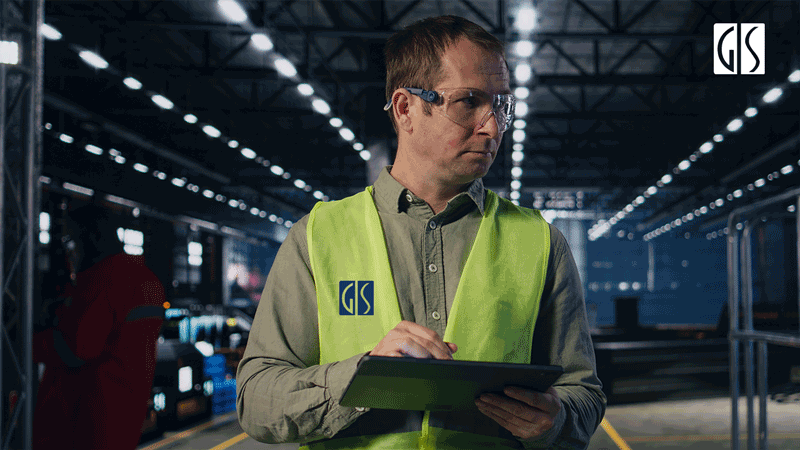
For German companies sourcing products from China, working with a local inspection company can provide greater visibility and control throughout the supply chain. Instead of relying solely on supplier-provided information, importers can use independent on-site inspections to verify product quality, production progress, packaging, and shipment readiness before goods leave China.
Instead of relying solely on factory reports, Germany buyers receive objective inspection results supported by photographs, measurements, defect records, and inspection conclusions.
Independent inspections help Germany importers:
- Verify products against purchase orders and specifications
- Identify manufacturing defects before shipment
- Check product quantity and workmanship
- Conduct functional and performance tests
- Verify packaging and labeling
- Check selected product documentation
- Monitor production quality
- Verify container loading
- Provide photographic evidence and an independent inspection report
By identifying problems before export, businesses can reduce unnecessary costs while improving overall supply chain performance.
What Inspection Services Can German Importers Use in China?
Different inspection services are available depending on the production stage and quality objectives.
|
Inspection Service |
Primary Purpose |
|
Factory Inspection and Supplier Audit |
Before placing an order, German buyers can conduct a factory audit to assess:
This can help buyers distinguish between suppliers with different levels of manufacturing and quality-control capability. |
|
Pre-Production Inspection (PPI) |
A Pre-Production Inspection can be conducted before mass production begins. Inspectors may verify:
This provides an opportunity to identify potential problems before large quantities are produced. |
|
During Production Inspection (DUPRO) |
During Production Inspection is generally conducted when 30%-50% of the order has been manufactured. Inspectors can check:
For German buyers placing large orders, DPI can be particularly useful because defects can still be corrected before production is completed. |
|
Pre-Shipment Inspection (PSI) |
A Pre-Shipment Inspection (PSI) takes place after production is substantially completed and before shipment. Depending on the product, inspectors may check:
For mass-produced consumer products, an AQL sampling plan can be applied according to the buyer's requirements. |
|
Container Loading Supervision (CLS) |
Container Loading Supervision is performed during the loading of goods into the shipping container. Inspectors verify that the correct products and quantities are loaded and that the packaging and loading process are appropriate for transportation. |
Selecting the appropriate inspection service depends on the production schedule, product complexity, and quality risks associated with the order.
For many Germany importers, Pre-Shipment Inspection (PSI) remains the most commonly requested service because it provides an independent assessment of finished products before export.
Benefits of Working with a Local China Inspection Company
For German importers, working with an inspection company based in China can provide practical advantages that are difficult to achieve through remote supplier management alone.
- On-Site Access to Chinese Factories: A local inspection team can visit factories in major manufacturing regions and conduct inspections directly at the production site.
- Faster Inspection Scheduling: Local inspectors can generally coordinate factory visits without requiring the buyer or a German employee to travel to China.
- Independent Quality Verification: An independent third-party inspection provides the buyer with objective information about the actual condition of the goods at the time of inspection.
- Reduced Travel Costs: German buyers can avoid the time and expense associated with sending employees to China for routine factory inspections.
- Better Communication with Suppliers: Local inspectors can communicate directly with factory personnel during the inspection and document findings with photographs, measurements, and test results.
- Flexible Quality Control: A German buyer can combine different inspection stages according to the supplier and product risk.
How GIS Supports Germany Importers
GIS Inspection provides independent third-party inspection services to help Germany importers manage product quality throughout the sourcing process in China.
Our services include:
- Factory Audits
- Supplier Audits
- Pre-Production Inspection (PPI)
- During Production Inspection (DUPRO)
- Pre-Shipment Inspection (PSI)
- Container Loading Supervision (CLS)
- Product Testing
- Full Inspection
Whether you are sourcing machinery, electronics, solar panels, batteries, home appliances, furniture, textiles, or other products from China, a structured inspection program can help reduce quality risks before your goods reach Germany.
If you need independent quality control before shipment, contact GIS Inspection for a free consultation.
Frequently Asked Questions
1. Why Do German Importers Need Inspection Services in China?
German importers choose independent inspection companies to verify product quality before shipment, reduce sourcing risks, and obtain objective inspection reports without visiting factories in person.
2. When should German buyers arrange an inspection in China?
The appropriate timing depends on the product and production schedule. Buyers can arrange a factory audit before placing an order, DPI during production, PSI after production, and Container Loading Supervision immediately before shipment.
3. Can GIS Inspect Provide Inspection Services throughout China?
Yes. GIS provides on-site inspection services across China's major manufacturing regions, allowing international buyers to arrange factory audits and product inspections close to their suppliers.
4. What Products Can GIS Inspect for German Importers?
GIS can inspect a wide range of products sourced from China, including industrial machinery, electronics, home appliances, solar panels, batteries, furniture, textiles, ceramics, automotive parts, and consumer goods.
5. What Does a China Inspection Report Include?
A typical GIS inspection report can include product information, inspection quantity, sampling plan, quality requirements, inspection results, defect classification, measurements, functional test results, packaging conditions, photographs, and overall inspection conclusions.
The report provides German buyers with clear evidence of the actual condition of their products at the factory.
6. How Quickly Can German Importers Receive an Inspection Report?
GIS can arrange inspections according to the buyer's production and shipping schedule. After the on-site inspection is completed, the inspection findings and supporting photographs can be compiled into a detailed report, helping German buyers make timely shipment decisions before the goods leave China.
GIS Inspection
GIS Inspection (General Inspection Services), established in 2005 and headquartered in China, is an CNAS 17020, ISO 9001, and AQSIQ accredited third-party agency. We specialize in comprehensive quality control inspection and supply chain solutions for global buyers. By deploying a dedicated team of 100% full-time professional inspectors, GIS Inspection ensures peak integrity and technical consistency. Today, we are the trusted quality partner for over 12,000 global brands.
Email: lisaliu@gis-inspection.com