
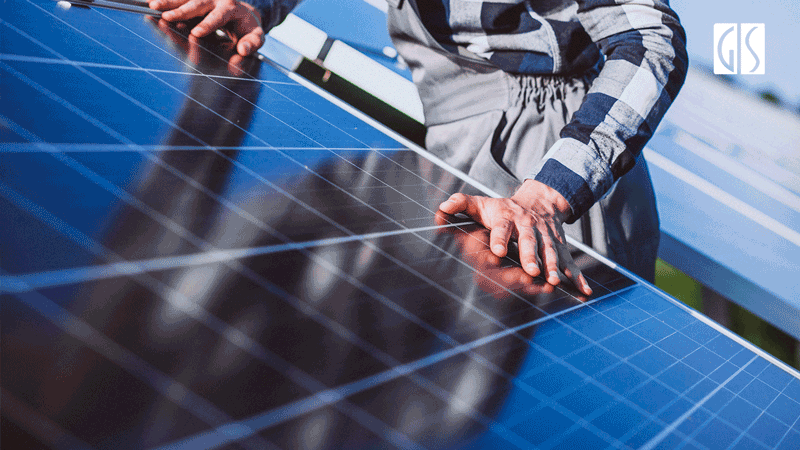
Solar panels used in residential, commercial, and utility-scale installations must comply with established safety standards before entries the market. These standards define how photovoltaic (PV) modules are evaluated for reliability, safety, performance, and long-term stability.
This article outlines the solar panel safety standards, types, procedures, and checklists of solar panel inspections.
What is Solar Panel?
Solar panels are widely used technology to convert solar energy into usable electricity. This technology not only helps reduce carbon emissions but also brings many other benefits to the environment and humans.
Solar panels operate based on the photovoltaic effect, where solar panels absorb sunlight and generate electricity through a conductor. The panels are made from semiconductor materials such as silicon, and when sunlight hits them, electrons in these materials are excited, generating an electric current.
Solar Panel Standards and Regulation
Standards developed by organizations such as the International Electrotechnical Commission (IEC) and Underwriters Laboratories (UL) establish the testing frameworks used in photovoltaic module certification.
IEC 61215 Terrestrial photovoltaic (PV) modules - Design qualification and type approval
IEC 61215 evaluates the design qualification and long-term reliability of photovoltaic modules used in outdoor environments. The standard verifies whether solar panels can withstand environmental conditions encountered during their service life.
The testing program simulates long-term field exposure through controlled laboratory conditions. These tests assess material durability, structural stability, and electrical performance after exposure to stress factors.
Typical test procedures include:
- Thermal cycling to assess resistance to repeated temperature changes
- Damp heat testing under high temperature and humidity
- Mechanical load testing to simulate wind and snow loads
- Ultraviolet exposure testing to evaluate resistance to solar radiation
- Humidity freeze testing for rapid environmental changes
Additional verification steps may include visual inspection, electrical performance measurement, insulation checks, and electroluminescence imaging.
Successful completion confirms that a photovoltaic module meets defined reliability criteria under the specified test conditions.
IEC 61730 Photovoltaic (PV) module safety qualification
IEC 61730 defines the safety requirements for photovoltaic modules. The standard evaluates electrical insulation, construction design, and protection against hazards during operation.
The standard consists of two parts:
- IEC 61730-1: construction requirements
- IEC 61730-2: safety testing procedures
Typical safety tests include:
- Electrical insulation testing
- Leakage current measurement
- Fire resistance evaluation
- Electrical isolation verification
Compliance with IEC 61730 is widely required in international markets and forms a core part of solar panel certification.
IEC 61853 Solar Panel Performance Testing and Energy Rating
IEC 61853 establishes procedures for evaluating photovoltaic module performance under different environmental conditions. The standard measures how solar panels perform across varying irradiance levels and temperatures.
Key aspects include:
- Measurement of module efficiency under multiple conditions
- Development of energy rating profiles
- Support for performance modeling and energy yield estimation
These results are used by engineers and project developers to estimate real-world energy output during system design.
Why Solar Panel Quality Check Matters?
Whether you’re an importer or manufacturer, ensuring that the solar products you source meet your specifications are crucial. Defected solar panel can result in installation problems, reduced energy output, warranty claims, and significant replacement costs.
Ensuring the quality of solar panels is important for multiple reasons:
- Performance Standard: A quality check during production ensures the panels generate the required electricity and perform optimally over their expected lifetime.
- Safety and Compliance: Reduce the risk of panels being safety hazardous if they are not manufactured to the required standards.
- Customer Requirements: Assess whether the inspected samples align with your specific requirements, including dimensions, documentation, and other specifications.
Types of Solar Panel Inspections
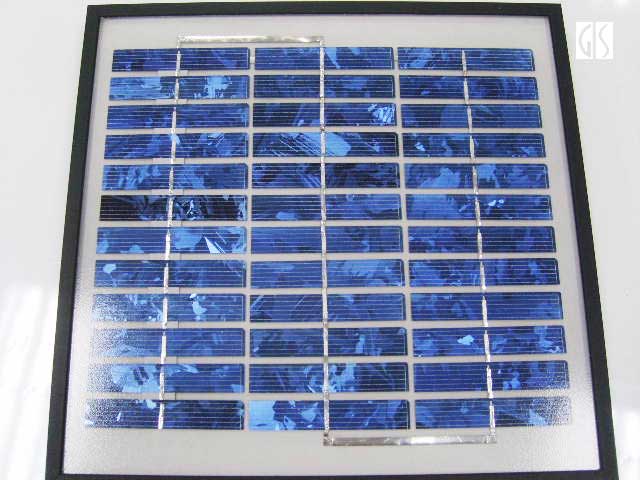
Solar panel inspections happen at different stages to catch quality issues before they become expensive problems. Pre-Shipment Inspection (PSI) verifies finished products before shipment, During Production Inspection (DPI) identifies defects and production issues while manufacturing is underway, and Container Loading Supervision (CLS) verifies product quantity, packaging, labeling, and loading procedures to help ensure the correct products are safely loaded and shipped.
Pre-Shipment Inspection
Pre-shipment inspections take place after panels are fully assembled but before they leave the factory. This last quality check confirms that photovoltaic panels match your specs and actually work.
Inspectors check the physical condition of panels, batteries, inverters, and accessories for damage, scratches, or deformities. They make sure sealants are properly applied around the edges and verify branding and origin marks. The inspection also measures length, width, thickness, and diagonal differences.
Key testing elements include:
- Power, voltage, and current output checks
- Hi-Pot electrical safety tests
- Temperature performance checks
- Polarity verification
- Complete system assembly tests with inverters and batteries
Inspectors also look at packaging to confirm quantities, protection for shipping, and correct shipping marks and labels. This is your last shot to catch problems before products ship out.
During Production Inspection
During production inspections catch defects while manufacturing is still happening—not after thousands of units are done. You can schedule these checks when 30-50% of your order is finished.
Inspectors verify that pre-selected cells meet quality standards before they go into panels. They check glass control for mechanical resistance and clarity. Lamination time and control stages throughout production also get confirmed.
Common defects include water ingress, wrong cell colors, bubbles, micro-fractures, broken or chipped cells, and glass scratches. Inspectors also check cell string alignment, cable lengths, insulation resistance, and battery performance.
Small imperfections can really cut the working life of your final product. Catching them early saves money and avoids customer headaches.
Container Loading Supervision
Container Loading Supervision takes place when the solar panels and related products are ready for shipment and are being loaded into the container. This inspection helps ensure that the correct products and quantities are shipped and that the goods are properly protected against damage during transportation.
Inspectors verify the product model, quantity, carton numbers, packaging condition, shipping marks, and container condition before and during loading. They also check whether pallets, cartons, corner protectors, cushioning materials, and other protective packaging are properly used.
Key inspection elements include:
- Product model and quantity verification
- Carton and pallet quantity checks
- Serial number or batch number verification
- Packaging and carton condition
- Shipping marks and product labels
- Container cleanliness and structural condition
- Proper placement and stacking of cartons
- Pallet stability and load distribution
- Use of protective materials
- Prevention of movement and impact during transportation
- Loading sequence and container utilization
- Final container sealing and seal number recording
For fragile solar panels, proper loading is particularly important because impact, vibration, pressure, and improper stacking can cause cracked glass, damaged frames, or hidden cell microcracks during transportation.
A professional Container Loading Supervision helps buyers confirm that the inspected products are the correct goods, properly packed, and safely loaded before the container leaves the factory.
Solar Panel Inspection Procedures and Checklists
Throughout the solar panel quality control inspection process, the inspectors verify the appearance quality, specifications, documentation, and field tests and measurements.
1. Quantity Verification
The first step in any pre-shipment inspection is the verification of the quantity. This evaluation checks if the actual quantity ready to be shipped to the client matches the quantity indicated in the purchase order (PO). The key aspects that need to be assessed during this stage include:
- The precise count of products manufactured, confirming they match the quantity specified in the PO.
- Verification of style or model numbers, ensuring every product aligns with the designated style.
- Verification of the color, ensuring they meet the precise specifications provided in the P.O.
2. Appearance and Workmanship Check
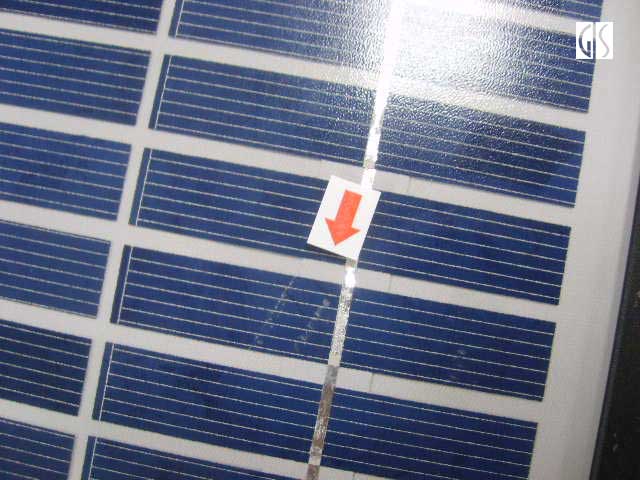
During the assessment of the case and specifications, an inspector would review samples of the products using Acceptable Quality Limit AQL parameters. The inspection generally include factors such as:
- Visual Inspection: Visual inspection of solar panels include checking for visible defects, such as cracks, discoloration, scratches, or dents on the solar module, as well as any abnormalities in the framing or glass, junction box, and wiring.
- Labelling and Alignment: Verify product labelling and the alignment of the photovoltaic panels to ensure they meet the quality standards.
- Product Dimensions: Check if the product dimension conforms to the specifications.
3. Documentation of Solar Equipment
In reviewing the manufacturer’s documentation, the inspector would verify that the products meet the necessary quality standards and comply with relevant regulations, including product certifications and other conformity labelling such as BIS certificate, IEC, UKCA Marking, CE mark, and Underwriters Laboratories (UL) marking. As well as check applicable manuals or technical documents.
4. On-site Test
On-site at the factory, the inspector may conduct electroluminescence testing, calibration, and solar STC.
- Electroluminescence Testing/EL Test: A non-destructive testing method used to assess the quality of photovoltaic panels for microcracks and other anomalies that may not be visible to the naked eye.
- Solar Module Calibration: Measure the panel’s electrical parameters and verify that it generates the expected amount of electricity under different conditions.
- Solar STC (Standard Testing Conditions): Measure the solar panel’s output voltage and current under standard testing conditions to ensure optimal performance.
5. Package and Packaging Inspection
This stage is essential not only for upholding the brand’s image but also for ensuring that the packaging is robust and suitable for transit, minimizing the risk of damage. It includes:
- Packing method and conditions check to ensures the method of packing is appropriate for the product, protecting it from damage during transit and storage. It includes the carton dimensions, carton weight, sealing method (staples, adhesive, plastic band or metal band), and the carton quality.
- Shipping marks/labels check to verify the accuracy and visibility of shipping marks and labels aids in proper handling and routing during shipping.
- Retail package artwork check to ensures the packaging aligns with brand standards and marketing requirements, enhancing customer appeal.
Need a Solar Panel Quality Inspection?
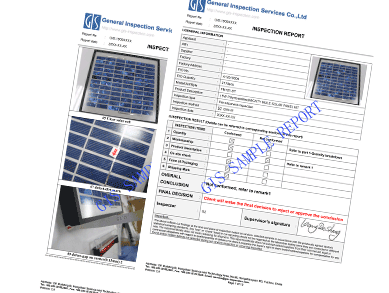
See how a professional inspection report helps verify solar panel quality, specifications, electrical performance, packaging, and shipment readiness.
The Common Defects Found in Solar PV Inspection
In the course of inspecting the production of PV/solar cells, various defects that impact the quality and efficiency of the panels are frequently observed. Among the prevalent defects are:
- Cell Defects: Micro-cracks, broken fingers, or dead cells that affect the efficiency of the solar panels.
- Hot Spots: Areas on the panel that become significantly hotter than the surrounding areas can lead to permanent damage and reduced panel performance.
- Solar Back Sheet Damage: Damages often caused by manufacturing defects, transportation or handling damage, or environmental exposure.
- Junction Box Defects: Loose connections, poor seals, or damage to the box, which may affect the safety or performance of the solar panel.
- Electrical Defects: Short circuits, open circuits, or partial shading, which may affect the performance of the solar panel.
Conclusion: A Guide to Solar Panel Quality Inspection
The demand for solar energy is growing rapidly as the world increasingly looks to renewable energy sources. But sourcing solar equipment can be challenging.
Especially due to the complex solar panel production cycle, which involves various stages such as selecting raw materials, cell assembly, and module assembly, each stage has critical quality parameters that must be monitored.
General Inspection Services (GIS Inspection) provides professional third-party solar panel inspection and quality control services to help buyers verify product quality throughout the supply chain. Our inspection services can cover Pre-Production Inspection, During Production Inspection (DPI), Pre-Shipment Inspection (PSI), and Container Loading Supervision (CLS), depending on your project requirements.
Our inspectors can check product specifications, workmanship, dimensions, electrical performance, materials and components, packaging, labeling, and loading procedures according to your purchase order, approved samples, technical specifications, AQL requirements, and applicable international standards.
By identifying quality issues before shipment, buyers can reduce the risk of defective products, shipping damage, costly returns, and customer complaints while gaining greater visibility into their solar panel supply chain.
Get in touch with us if you need a free consultation for your solar panel inspection needs, or want to get a complimentary solar panel inspection report.
GIS Inspection
GIS Inspection (General Inspection Services), established in 2005 and headquartered in China, is an CNAS 17020, ISO 9001, and AQSIQ accredited third-party agency. We specialize in comprehensive quality control inspection and supply chain solutions for global buyers. By deploying a dedicated team of 100% full-time professional inspectors, GIS Inspection ensures peak integrity and technical consistency. Today, we are the trusted quality partner for over 12,000 global brands.
Email: lisaliu@gis-inspection.com