
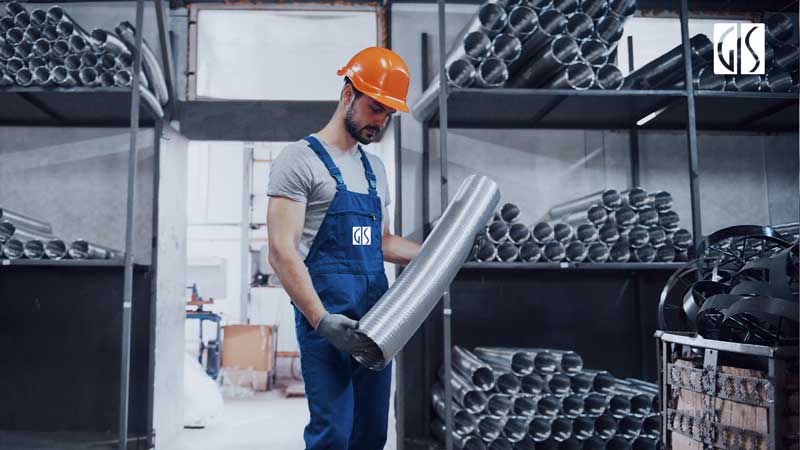
Aluminum products require precise quality control due to their critical use in industries like construction, automotive, and aerospace. Aluminum inspection can cover raw materials, profiles, sheets, tubes, castings, forgings, machined components, and finished products according to applicable specifications and standards.
This guide explains the key aspects of aluminum quality control and inspection, including common inspection methods, applicable standards, and defects.
Aluminum Standards and Regulation
Aluminum products are subject to different international standards and regulations depending on their alloy, product type, application, and destination market.
ISO Aluminum Standards
- ISO 209:2024 — Wrought Aluminum and Aluminum Alloys — Chemical Composition and Forms of Wrought Products
- ISO 6361 — Wrought Aluminum and Aluminum Alloys — Sheets, Strips and Plates
U.S. Aluminum Standards
- ASTM B209/B209M — Standard Specification for Aluminum and Aluminum-Alloy Sheet and Plate
- ASTM B221/B221M — Standard Specification for Aluminum and Aluminum-Alloy Extruded Bars, Rods, Wire, Profiles, and Tubes
European Aluminum Standards and Regulations
- EN 485 — Aluminum and Aluminum Alloys — Sheet, Strip and Plate
- EN 573 — Aluminum and Aluminum Alloys — Chemical Composition and Form of Wrought Products
Read the details: Aluminum Standards and Regulation
Recommended Quality Inspection Services for Aluminum
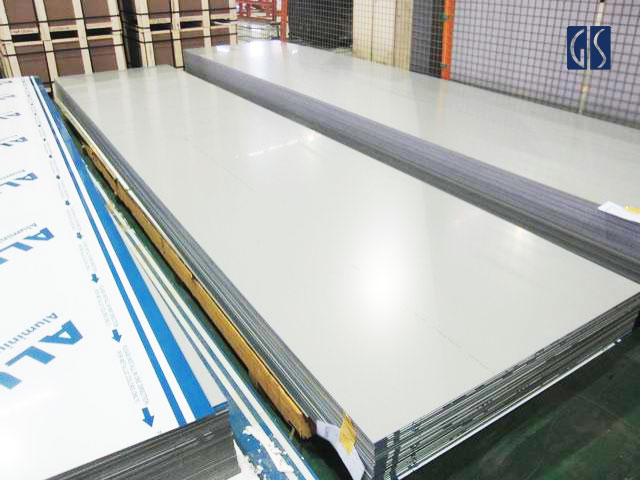
Based on the experience of third-party quality inspection companies, four types of inspection services are recommended for aluminum products:
1. Factory Audit
A Factory Audit is recommended before placing an order with a new supplier. Inspectors evaluate the factory's production capacity, quality management system, manufacturing processes, equipment, and compliance with social and environmental requirements.
This helps buyers assess whether the supplier is capable of consistently producing aluminum that meet quality expectations and delivery schedules.
2. During Production Inspection (DPI)
Conducted when a significant portion of your Aluminum order is completed, this inspection focuses on identifying early-stage issues such as inconsistent alloy composition, surface flaws, or incorrect dimensions. This allows for timely corrective actions, minimizing waste and rework.
3. Pre-Shipment Inspection (PSI)
Pre-Shipment Inspection is the most commonly used quality control service for Aluminum products. When at least 80%–100% of the order has been produced and at least 80% has been packed, a thorough final inspection of Aluminum products confirms overall quality, adherence to specifications, and cosmetic integrity. Verify quantities, packaging suitability, and labeling accuracy to ensure the products are ready for safe and compliant delivery.
4. Container Loading Supervision (CLS)
Container Loading Supervision is the final quality control step before shipment. Inspectors monitor the loading process to verify the correct products and quantities are loaded into the container, confirm that cartons are handled properly, and ensure appropriate loading methods are used to prevent damage during transportation.
The Common Defects in Aluminum Inspections
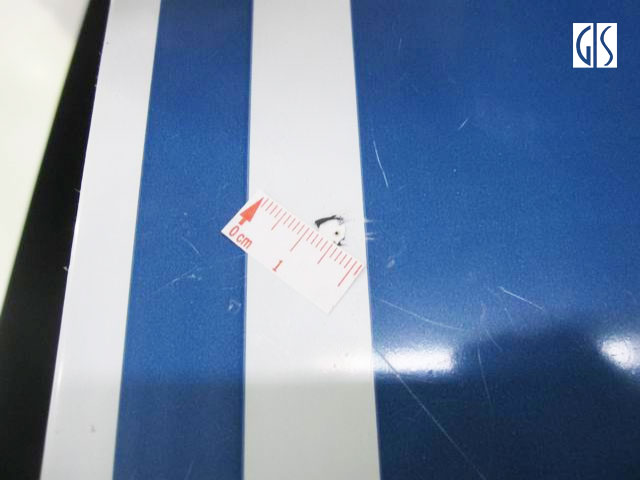
Material & Surface Quality
- Scratches and dents
- Corrosion or oxidation
- Uneven surface finish (e.g., inconsistent anodizing, polishing marks)
- Pitting or inclusions
Dimensional & Structural Integrity
- Incorrect dimensions or tolerances
- Deformation or warping
- Poor welding or joining quality
- Cracks or fractures
Functional & Performance Issues (for finished Aluminum products)
- Loose or unstable components
- Improper assembly
- Failure in load-bearing tests
- Inadequate heat dissipation
Coating & Treatment Defects
- Peeling or flaking of coatings
- Discoloration or inconsistent color
- Blistering or bubbling
- Poor adhesion of paint or powder coating
Labeling & Packaging
- Incorrect material grade labeling
- Missing or illegible identification marks
- Inadequate protective packaging
- Damage during transit due to poor packing
GIS Aluminum Quality Control Services
General Inspection Service (GIS Inspection) is a leading third-party quality control inspection company in China. With 20 years of industry-wide experience, GIS Inspection helps aluminum products businesses reduce supply chain risks, ensuring your Aluminum products meet stringent quality and compliance benchmarks.
GIS Quality Inspection for Aluminum
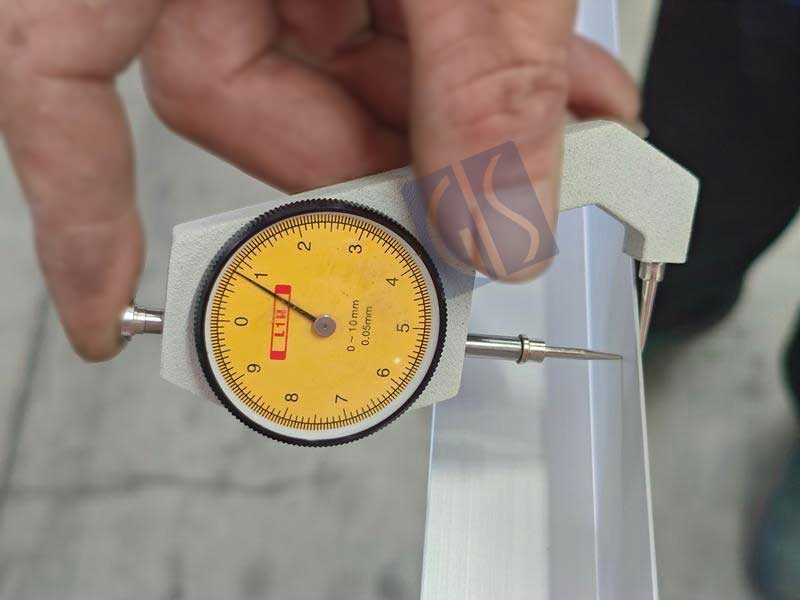
A GIS professional inspector measures the aluminum thickness using a precision thickness gauge to verify that the material meets the approved product specifications.
GIS Inspection offers comprehensive quality assurance services to aluminum worldwide, including:
Quality Control Inspections
- Pre-Production Inspections
- During Production Inspections
- Pre-Shipment Inspections
- Container Loading Inspections
Learn more the details of: The 4 Types of Quality Inspection: A Complete Guide for Importers
Factory Inspection & Supplier Audit
GIS performs the following types of factory and supplier audits:
- Quality Assessment
- Social Compliance Audits
- Environmental Audits
- Manufacturer Audits
- Quality Engineering Consulting
Aluminum Products We Inspect
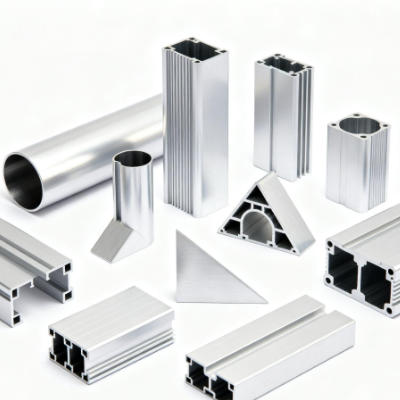
Aluminum Profiles & Extrusions
- Aluminum Profiles
- Aluminum Extrusions
- Aluminum Tubes
- Aluminum Bars
- Aluminum Rods
- Aluminum Channels
- Aluminum Angles
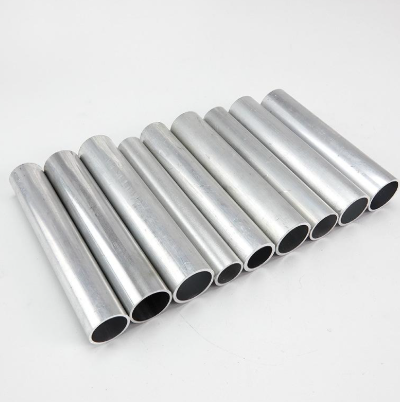
Aluminum Pipes & Tubes
- Seamless Aluminum Tubes
- Welded Aluminum Tubes
- Aluminum Pipes
- Aluminum Heat-Exchange Tubes
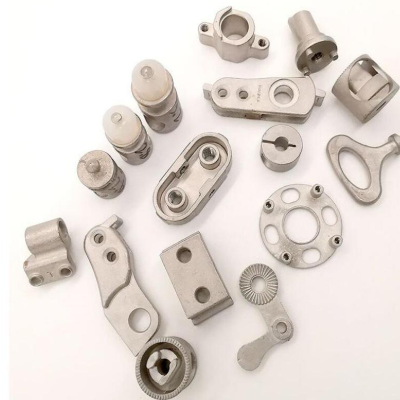
Aluminum Castings & Forgings
- Aluminum Die Castings
- Aluminum Sand Castings
- Aluminum Gravity Castings
- Aluminum Forgings
- Aluminum Cast Components
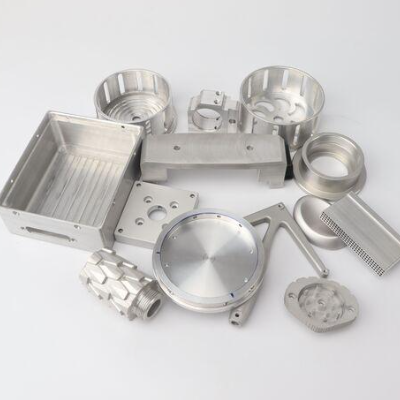
Aluminum Fabricated Products
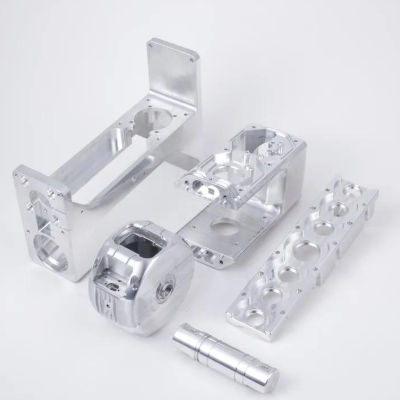
- CNC Machined Aluminum Parts
- Stamped Aluminum Parts
- Aluminum Welded Components
- Aluminum Fabrications
- Aluminum Assemblies
Aluminum Building Products
- Aluminum Doors & Windows
- Aluminum Curtain Walls
- Aluminum Cladding
- Aluminum Railings
- Aluminum Fences
- Aluminum Roofing Products
Aluminum Automotive & Industrial Components
- Automotive Aluminum Parts
- Heat Sinks
- Radiators
- Heat Exchangers
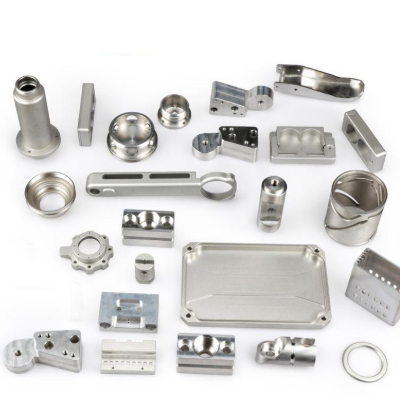
- Industrial Aluminum Components
- Electrical Enclosures
Nationwide Aluminum Product Inspection Coverage in China
GIS Inspection has developed a comprehensive nationwide office and inspection network across China, with local offices strategically located in key manufacturing regions, including Fuzhou, Guangzhou, Shenzhen, Dongguan, Shantou, Shanghai, Xiamen, Ningbo, Hangzhou, Suzhou, Jiangsu, Qingdao, Tianjin, Jinan, Zhengzhou, and Hong Kong.
How to Find Aluminum Suppliers in China
Navigating the market for aluminum is not the only way to source aluminum from China. In addition to making market visit in China yourself, there other 5 ways available to find an aluminum in China.
1. Online wholesales websites
The most famous online international B2B marketplace in China is Alibaba, most Chinese aluminium manufacturers list their products on Alibaba. This platform can be a good start if you are new to the industry and want to source potential suppliers for importing steel pipes from China.
Another great website to source aluminium from China is Made-in-China, it’s a B2B e-commerce platform, with more than 1,500,000+ results for aluminium – you can easily make comparisons and purchase products in a cost-efficient way.
2. The Most Related Sourcing Fairs in China
ALUMINIUM CHINA – Shanghai
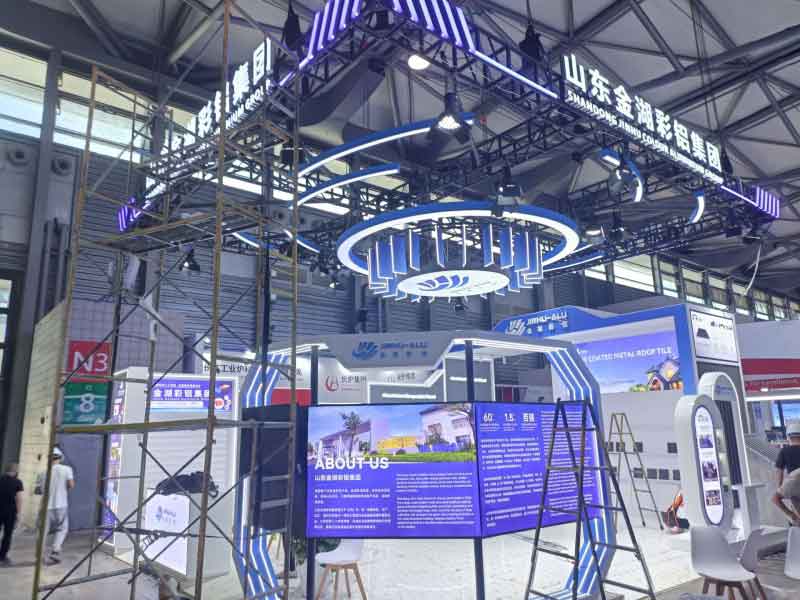
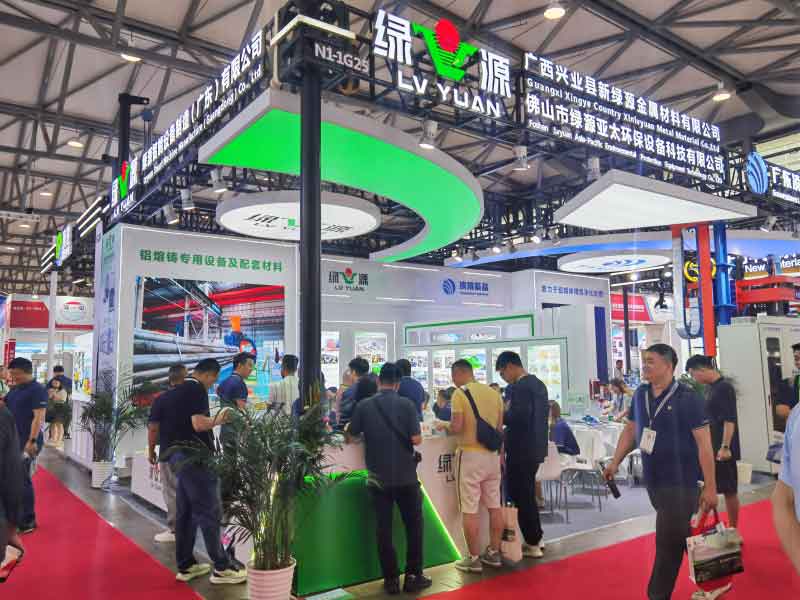
ALUMINIUM CHINA is one of the leading professional aluminium trade shows in China and Asia, covering the aluminium industry's entire value chain. The 2026 edition attracted 680+ exhibitors and 36,134 trade visitors, with an exhibition area of approximately 60,000 m², including more than 4,000 international visitors.
Location: Shanghai New International Expo Centre (SNIEC), Shanghai
2026 Date: July 8–10, 2026
Next Edition: July 7–9, 2027
Web: https://www.aluminiumchina.com/en-gb.html
Key Features
The exhibition covers:
- Primary aluminium and recycled aluminium
- Aluminium alloys
- Aluminium profiles
- Aluminium sheets, strips and foils
- Aluminium castings and forgings
- Deep-processed aluminium products
- Extrusion and rolling equipment
- Heat-treatment and surface-treatment equipment
- Testing and inspection equipment
- Intelligent manufacturing and environmental technologies
ALUMINIUM CHINA – South China, Foshan
ALUMINIUM CHINA-South China is a specialized aluminium exhibition designed around the manufacturing industries of South China. It is particularly relevant because Foshan is one of China's important aluminium processing and extrusion manufacturing hubs.
Location: Foshan, Guangdong
Region: Guangdong–Hong Kong–Macao Greater Bay Area
Key Features
The exhibition covers the full aluminium industry chain, including:
- Primary and recycled aluminium
- Aluminium alloys
- Aluminium profiles and extrusions
- Sheets, strips and foils
- Castings and forgings
- Aluminium components and finished products
- Processing equipment
- Auxiliary materials and consumables
Shenzhen International Aluminium Industry Exhibition
The Shenzhen International Aluminium Industry Exhibition focuses on the aluminium manufacturing and application markets in South China, particularly the Greater Bay Area.
Location: Shenzhen, Guangdong
Key Market: Greater Bay Area
Key Features
Typical exhibition categories include:
- Aluminium raw materials
- Aluminium alloys
- Aluminium profiles
- Aluminium sheets and plates
- Aluminium strips and foils
- Castings and forgings
- Aluminium processing equipment
- Surface-treatment technologies
- Recycling and casting technologies
- Aluminium components and finished products
3. Popular Chinese Wholesale Aluminium Markets
China has several major aluminium trading and manufacturing hubs where international buyers can source aluminium profiles, sheets, plates, tubes, castings, and fabricated products. The following markets are particularly important for aluminium sourcing and supplier identification.
|
Market |
Location |
Main Aluminium Products |
Key Features |
|
Foshan Aluminium Market |
Foshan, Guangdong |
Aluminium profiles, extrusions, doors, windows, architectural aluminium |
One of China's major aluminium manufacturing and trading clusters |
|
Nanhai Aluminium Market |
Nanhai, Foshan, Guangdong |
Aluminium profiles, extrusions, industrial profiles, building aluminium |
Strong concentration of aluminium extrusion manufacturers |
|
Guangzhou Aluminium Market |
Guangzhou, Guangdong |
Aluminium sheets, profiles, tubes, hardware and fabricated products |
Convenient for sourcing within the Greater Bay Area |
|
Wuxi Aluminium Market |
Wuxi, Jiangsu |
Aluminium sheets, plates, coils, foils and industrial materials |
Important aluminium processing and distribution hub in East China |
|
Zhengzhou Aluminium Market |
Zhengzhou, Henan |
Aluminium materials, aluminium processing products and industrial materials |
Serves Central China's aluminium industry and manufacturing base |
4. Hire a Sourcing Agent
Using a sourcing agent is an efficient way to find an affordable China aluminium supplier, especially if you are abroad. From the first step of looking for suppliers to the customs clearance at the destination port, the entire sourcing process will be handled by them. These companies can guide you to find the best products, help you with sourcing, shipping and distribution.
Conclusion
Effective aluminum quality control requires verifying material grades, chemical composition, dimensions, mechanical properties, surface treatment, workmanship, functionality, packaging, and other requirements according to the product specification and applicable standards.
A professional third-party inspection can provide an independent assessment of aluminum products during production or before shipment, helping buyers identify non-conformities before the goods leave the factory.
With experienced inspectors and a structured quality control process, GIS Inspection provides independent aluminum inspection and quality control services to help importers, manufacturers, distributors, and sourcing teams make more confident purchasing decisions.
Frequently Asked Questions (FAQ) for Aluminum Quality Control
1. Why do I need product inspections for aluminum?
If you are worried about or have experienced problems such as poor quality, incorrect shipments, or wrong packaging for goods imported from Asia, product inspection services are your solution.
2. Do I need to send you an approved sample for aluminum?
It would be great if you can send the approved sample to GIS Inspection before the inspection for reference.
3. What aluminum products can be inspected?
Aluminum inspection can cover a wide range of products, including aluminum profiles and extrusions, sheets and plates, pipes and tubes, bars and rods, foils, castings, forgings, machined parts, building products, automotive components, and customized aluminum products.
4. What does an aluminum inspection include?
An aluminum inspection may include visual inspection, dimensional measurement, workmanship assessment, surface finish inspection, hardness checks where applicable, functional checks, packaging inspection, quantity verification, and documentation review. The inspection scope depends on the product specifications and buyer's requirements.
5. Can aluminum inspectors conduct chemical composition testing on site?
Chemical composition testing is generally a laboratory testing activity and is not part of a standard on-site visual or quality inspection. If independent verification of aluminum chemical composition is required, samples can be collected during the inspection and submitted to a qualified laboratory for testing according to the applicable standard or specification.
6. What information is needed to arrange an aluminum inspection?
Typically, inspectors need the purchase order, product specifications, technical drawings if applicable, approved samples, applicable standards, packaging requirements, and inspection criteria. Clear acceptance requirements help inspectors evaluate the products consistently and accurately.