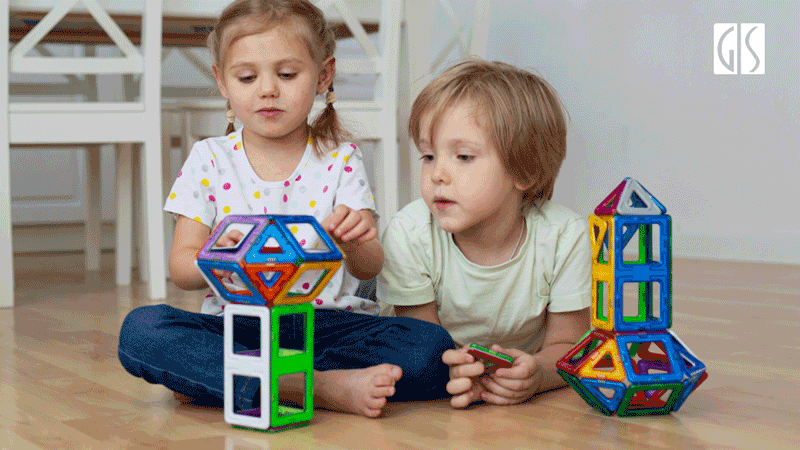
Australia's competition and consumer watchdog has directed four major online retail platforms to remove product listings for magnetic chess-style games that carry a fatal risk to children if the small magnets they contain are swallowed.
The Australian Competition and Consumer Commission (ACCC) issued the takedown orders to Amazon, eBay, Kogan and Fruugo, targeting listings for toys that include small high-powered magnets covered by a permanent prohibition under Australian Consumer Law in place since 2012.
The ban covers separable or loose small high-powered magnets supplied in multiples of two or more within toys, games, puzzles, construction or modelling kits, and jewellery — specifically those small enough to be swallowed.
Australian Small high-powered magnets ban
- There is a permanent ban on separate or loose small high-powered magnets with a flux index greater than 50 (kG)2 mm2 that are used in certain toys or jewellery.
- If children swallow multiple magnets, they can stick together in the intestine or digestive tissue leading to serious internal injuries or death. They are also a choking risk.
- Bans can be placed on products or product-related services if there’s a risk of serious injury, illness or death.
- If a product is banned, it must not be supplied in Australia.
- Significant penalties may apply to suppliers who fail to comply with product bans.
Note: The only exemptions under the ban apply to magnetic or electrical experimental sets intended for children aged eight and over.
Products the ban applies to:
Magnets that are separate, loose, or supplied in multiples of two or more and meet all the following criteria are banned.
- Are small enough to fit into the small parts cylinder, which is a device used for testing in Australian and international toy standards.
- Have a magnetic flux index greater than 50 (kG)2 mm2.
- Are marketed by the supplier as, or supplied for use as any of the following:
- a toy, game or puzzle
- a construction or modelling kit
- jewellery to be worn in or around the mouth or nose.
Toys containing magnets mandatory standard
A mandatory product safety standard(https://www.productsafety.gov.au/business/search-mandatory-standards/toys-containing-magnets-mandatory-standard) also exists alongside the permanent ban, setting out design and construction requirements for magnetic toys to prevent children from accessing small magnets during use.
- The mandatory standard sets out requirements for the design, construction and warning information for children’s toys containing magnets.
- The purpose of the standard is to reduce the risk of serious injury or death from children swallowing small high-powered magnets.
- The standard applies to new toys for children under 14 with one or more magnets or magnetic components.
- The standard sets design and construction requirements to prevent a child from accessing small magnets.
- Warnings must accompany magnetic or electrical experimental sets with loose, small high-powered magnets intended for children 8 years and older.
Products the mandatory standard applies to:
The mandatory standard applies to toys that are supplied:
- new and are designed or intended for use in play by a child under 14 years old
- with one or more magnets or magnetic components.
Read the standards: Australia Magnetic Toys Safety Standards and Quality Control
Products the ban applies to
Magnets that are separate, loose, or supplied in multiples of two or more and meet all the following criteria are banned.
- Are small enough to fit into the small parts cylinder, which is a device used for testing in Australian and international toy standards.
- Have a magnetic flux index greater than 50 (kG)2 mm2.
- Are marketed by the supplier as, or supplied for use as any of the following:
- a toy, game or puzzle
- a construction or modelling kit
- jewellery to be worn in or around the mouth or nose.
Risks and injuries from the product
The ACCC has emphasized the severe risks associated with ingesting multiple high-powered magnets, particularly for young children:
- Small high-powered magnets are dangerous if children swallow more than one magnet as they can stick together.
- These can damage the walls of the child's intestine or digestive tissue, leading to serious internal injuries including tissue death, infection or sepsis, and death. These magnets also pose a choking hazard to young children.
- Symptoms may be difficult for carers and doctors to recognise. An x-ray is needed to see if magnets were swallowed, and to diagnose the cause of a related illness.
Ensuring compliance
Manufacturers, exporters, importers and brand owners operating in the Australian market should now:
- Review all products containing magnets against Australia’s permanent magnet ban
- Verify compliance with applicable Australian toy safety standards
- Ensure product design securely retains magnets under all expected conditions
- Assess testing records and technical documentation for compliance
- Review online listings and marketing claims for accuracy and regulatory alignment
- Take immediate corrective actions, including stopping sales or initiating recalls, if non-compliance is identified
GIS Inspection Quality Control Services for Magnetic Toys
As Australia continues to strengthen safety requirements for magnetic toys, importers, retailers, and manufacturers must ensure that products fully comply with applicable regulations and safety standards before entering the market.
Effective quality control throughout the production process is essential to reduce compliance risks, prevent costly recalls, and protect consumers from potential hazards associated with small, powerful magnets.
With over 20 years of experience in third-party quality assurance, GIS Inspection provides comprehensive quality inspection, factory audit, product testing support, and supplier quality management services for toys and children's products.
Whether you are sourcing magnetic toys from China or managing a global supply chain, GIS Inspection is your trusted quality control partner for ensuring product safety and compliance.
Resource: The ACCC Product Safety