China remains one of Korea's most important trading partners and a major source of manufactured products, components, machinery, electronics, and new-energy products. As supply chains between the two countries become increasingly integrated, Korean importers need reliable ways to verify product quality before goods leave Chinese factories.
Working with an independent China inspection company allows Korean importers to verify product quality before shipment, reduce sourcing risks, and improve supply chain visibility throughout the manufacturing process.
Why Do Korean Importers Need Inspection Services in China?
International sourcing requires more than selecting a capable supplier. Maintaining consistent product quality throughout production is equally important.
Without independent quality verification, importers may face:
- Inconsistent product quality compared with approved samples or specifications.
- Defects discovered too late, resulting in costly rework or replacement.
- Incorrect materials or components that affect product performance and durability.
- Quantity, labeling, packaging, or loading discrepancies before shipment.
- Limited visibility into factory production when buyers cannot visit China regularly.
- Higher costs and disputes caused by quality problems discovered after shipment.
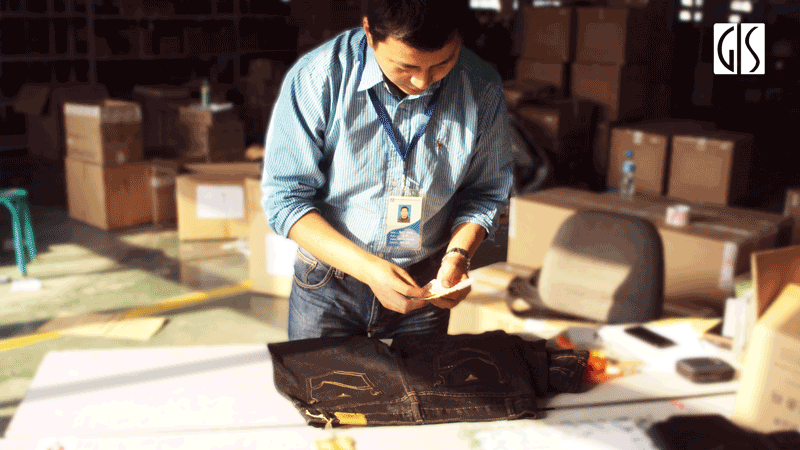
Independent inspections in China allow Korean buyers to verify products directly at the factory, identify problems before shipment, and reduce quality, delivery, and supplier-related risks.
Common Products Korean Companies Source from China
China is one of South Korea’s largest sourcing markets. In 2025, China exported approximately US$144.2 billion worth of goods to South Korea. The export structure is highly diversified, with electronics, machinery, chemicals, metals, automotive products, plastics, textile, furniture, and apparel among the major categories.
According to official customs statistics, South Korea's top product categories imported from China include:
- Electronics and Electrical Products
- Electronic components
- Batteries and power supplies
- Electrical equipment
- Cables and connectors
- Lighting products
- Consumer electronics
- Machinery and Industrial Equipment
- Industrial machinery
- Production equipment
- Pumps and valves
- Compressors
- Packaging machinery
- Plastic-processing machinery
- Textile machinery
- Mechanical components
- Chemicals and Industrial Raw Materials
- Organic chemicals
- Inorganic chemicals
- Chemical intermediates
- Plastic raw materials
- Industrial materials
- Packaging materials
- Plastics and Plastic Products
- Plastic sheets and films
- Plastic containers
- Plastic packaging
- Industrial plastic components
- Plastic products for automotive and electronics applications
- Steel, Aluminum and Metal Products
- Steel sheets and plates
- Stainless steel products
- Steel pipes
- Metal structures
- Aluminum profiles
- Hardware and metal components
- Customized fabricated metal parts
- Automotive Parts and New Energy Products
- Automotive components
- Body parts
- Automotive lighting
- Wheels and interior parts
- Electrical components
- EV batteries and related components
- Motors and electronic control systems
- Furniture and Home Products
- Furniture
- Kitchenware
- Home accessories
- Storage products
- Household goods
- Textiles, Apparel and Footwear
- Toys, Sports and Consumer Products
- Toys
- Sports equipment
- Pet products
- Promotional products
- Daily consumer goods
These categories show that Korean company’s source from China across the entire supply chain, from raw materials and components to machinery and finished consumer products. This broad sourcing structure creates demand for factory audits, during-production inspections, pre-shipment inspections, product testing, and container loading inspections.
Main Challenges of Sourcing Products from China
Because Korean consumers and regulatory agencies demand exceptionally high quality and safety standards, even minor cosmetic defects, packaging mislabeling, or compliance failures can lead to product recalls, heavy customs fines, or loss of market reputation in South Korea.
For Korean importers, however, sourcing from China can involve several quality and supply chain challenges:
- Supplier Capability: A supplier may have suitable products but lack the production capacity, quality management system, or technical capability required for long-term orders.
- Product Quality Consistency: Mass-produced goods may differ from approved samples, specifications, drawings, or purchase order requirements.
- Material and Component Risks: Incorrect or inconsistent raw materials and components can affect product performance, durability, and compliance.
- Production Defects: Problems discovered after production is completed can result in costly rework, replacement, or shipment delays.
- Specification and Quantity Issues: Products may not fully meet agreed dimensions, functions, quantities, packaging, or labeling requirements.
- Limited On-Site Visibility: Korean buyers cannot always visit Chinese factories during every production cycle, making independent on-site verification valuable.
- Shipment and Loading Risks: Even compliant products can be damaged or incorrectly packed, marked, or loaded before shipment.
What Inspection Services Can Korean Importers Use in China?
Korean companies sourcing from China can use different inspection services depending on the product, supplier, production stage, and level of quality risk.
- Factory Audit: Evaluates a supplier’s manufacturing capabilities, production capacity, quality management system, equipment, facilities, and production processes before or during cooperation.
- Pre-Production Inspection: Verifies raw materials, components, production preparations, approved samples, specifications, and manufacturing arrangements before mass production.
- During Production Inspection (DPI): Checks products while production is in progress, allowing defects or deviations to be identified before the entire order is completed.
- Pre-Shipment Inspection (PSI): Conducted when production is substantially completed to verify product quality, quantity, workmanship, dimensions, functionality, packing, labeling, and other buyer requirements.
- Product Inspection: Provides independent verification of products against specifications, samples, standards, drawings, or purchase orders.
- Container Loading Inspection: Monitors the loading process to verify product quantity, packaging, carton condition, container condition, and loading procedures.
Selecting the appropriate inspection service depends on the production schedule, product complexity, and quality risks associated with the order.
For many Korean importers, Pre-Shipment Inspection (PSI) remains the most commonly requested service because it provides an independent assessment of finished products before export.
Best Practices for Korean Buyers Sourcing in China
To maximize the value of your third-party inspection provider, implement these three operational steps:
- Define a Clear Technical Checklist: Provide your inspection company with exact product specifications, engineering drawings, Korean-language packaging requirements, and a list of "Critical, Major, and Minor" defect definitions.
- Book Inspections Early: Schedule your Pre-Shipment Inspection at least 3 to 5 days before the official Cargo Ready Date (CRD) to allow sufficient time for factory rework if defects are found.
- Link Inspection Results to Payment Terms: Include a clause in your supplier contract (T/T or L/C) stating that final balance payment will only be released upon issuance of a "Confirm" Inspection Report from your designated third-party agency.
How GIS Supports Korean Importers
GIS Inspection provides independent third-party inspection services to help Korean importers manage product quality throughout the sourcing process in China.
Our services include:
- Factory Audits
- Supplier Audits
- Pre-Production Inspection (PPI)
- During Production Inspection (DUPRO)
- Pre-Shipment Inspection (PSI)
- Container Loading Supervision (CLS)
- Product Testing
- Full Inspection
Whether you are sourcing machinery, electronics, solar panels, batteries, home appliances, furniture, textiles, or other products from China, a structured inspection program can help reduce quality risks before your goods reach Korean.
If you need independent quality control before shipment, contact GIS Inspection for a free consultation.
Frequently Asked Questions
1. Why Do Korean Importers Need Inspection Services in China?
Korean importers choose independent inspection companies to verify product quality before shipment, reduce sourcing risks, and obtain objective inspection reports without visiting factories in person.
2. When should Korean buyers arrange an inspection in China?
The appropriate timing depends on the product and production schedule. Buyers can arrange a factory audit before placing an order, DPI during production, PSI after production, and Container Loading Supervision immediately before shipment.
3. Can GIS Inspect Provide Inspection Services throughout China?
Yes. GIS provides on-site inspection services across China's major manufacturing regions, allowing international buyers to arrange factory audits and product inspections close to their suppliers.
4. What Products Can GIS Inspect for Korean Importers?
GIS can inspect a wide range of products sourced from China, including electrical machinery and equipment, machinery and mechanical appliances, vehicles and parts, plastics, furniture, textile, and toys.
5. What Does a China Inspection Report Include?
A typical GIS inspection report can include product information, inspection quantity, sampling plan, quality requirements, inspection results, defect classification, measurements, functional test results, packaging conditions, photographs, and overall inspection conclusions.
The report provides German buyers with clear evidence of the actual condition of their products at the factory.
6. How Quickly Can Korean Importers Receive an Inspection Report?
GIS can arrange inspections according to the buyer's production and shipping schedule. After the on-site inspection is completed, the inspection findings and supporting photographs can be compiled into a detailed report, helping German buyers make timely shipment decisions before the goods leave China.
GIS Inspection
GIS Inspection (General Inspection Services), established in 2005 and headquartered in China, is an CNAS 17020, ISO 9001, and AQSIQ accredited third-party agency. We specialize in comprehensive quality control inspection and supply chain solutions for global buyers. By deploying a dedicated team of 100% full-time professional inspectors, GIS Inspection ensures peak integrity and technical consistency. Today, we are the trusted quality partner for over 12,000 global brands.
Email: lisaliu@gis-inspection.com